The 10 Stages Of Genocide – From Discrimination to Extermination

The train entrance to the Auschwitz-Birkenau death camp in Poland

The darkest depths of human history often involve mass violence, war, torture, and unspeakable atrocities. Genocide is an offence which exists on its own, superior level of evil. Genocide is defined by the Convention on the Prevention and Punishment of the Crime of Genocide as:

“any of the following acts committed with intent to destroy, in whole or in part, a national, ethnical, racial or religious group, as such:
(a) Killing members of the group;
(b) Causing serious bodily or mental harm to members of the group;
(c) Deliberately inflicting on the group conditions of life calculated to bring about its physical destruction in whole or in part;
(d) Imposing measures intended to prevent births within the group;
(e) Forcibly transferring children of the group to another group.”

Genocide found its roots, unsurprisingly, in the atrocities committed in Nazi Germany resulting in its ‘Final Solution to the Jewish Question’, known across the world as The Holocaust. During this period, Raphael Lemkin, the voice of the need for a crime of genocide, coined a crime of barbarity, which he defined as:

“Whosoever, out of hatred towards a racial, religious or social collectivity, or with a view to the extermination thereof, undertakes a punishable action against the life, bodily integrity, liberty, dignity or economic existence of a person belonging to such collectivity”

This definition eventually found its way into the Nuremberg Trials when describing the offences committed by the leaders of the Nazi regime. Interestingly, none of these individuals ever faced offences of genocide, it was not a recognised offence until UN General Assembly Resolution 96 in 1946, and did not become a binding offence until 1948 with the adoption of the Genocide Convention.

In the years that have followed, including the present day, international tribunals and legal systems have struggled to truly contemplate and understand genocide, however, numerous NGOs and groups now recognise that genocides happen, broadly, in 10 distinct (though not necessarily consecutive) stages. In this piece, we will explore the 10 stages of genocide along with examples of where these have been committed, and where they currently are.

Stage 1 – Classification

The initial stage in a genocide is for the party subject to the genocide to be identified and classified. This is most notably applied through a ‘them and us’ attitude segregated by race, religion, nationality or ethnicity. In Nazi Germany this was ‘German and Jew’, in Rwanda this was ‘Hutu and Tutsi.’ As stated by Genocide Watch:

“Bipolar societies that lack mixed categories, such as Rwanda and Burundi, are the most likely to have genocide.  One of the most important classifications in the current nation-state system is citizenship in a nationality.  Removal or denial of a group’s citizenship is a legal way to deny the group’s civil and human rights.”

The 1933 Denaturalisation Act was used to enable the Nazi Government to systematically strip Jews of their German citizenship before the 1935 Reich Citizenship Act which created further division by implementing a tiered hierarchy of citizenships.

Stage 2 – Symbolisation

The classification of individuals is furthered by symbolising these individuals, distinguishing them in some way from the ‘others’. Whilst classification and symbolism are an inherently human thing to do, something which occurs every single day, it is the intent and hatred behind the symbolisation which leads to genocide.

The yellow star is one of the most recognisable symbols used in a genocide. Other symbols used include the blue scarf for Eastern Cambodians. Symbols don’t always have to be ones to designate the ‘undesirable’ group, there are often parallel symbols which designate the group committing the genocide. In Nazi Germany, the most notable symbol was the Swastika. Other symbols included the Totenkopf, the skull which adorned many SS uniforms.

Stage 3 – Discrimination

It is with this third stage where ‘formal’ action is taken. The dominant group will employ the political and legal system in order to remove the rights of the other group. Rights that are often targeted include human and civil rights, the right to vote and participate in elections, and the right to citizenship. These laws and actions seek to empower the dominant group and legitimise their cause.

Genocide Watch have designated the UK Government as being actively involved in Stage 3 against refugees and members of the Gypsy, Roma and Traveller community. The Police, Crime, Sentencing and Courts Act 2022 criminalises certain aspects of GRT life and leads to further discrimination and the plans to ‘offshore’ asylum seekers in Rwanda is continuing despite being held unlawful.

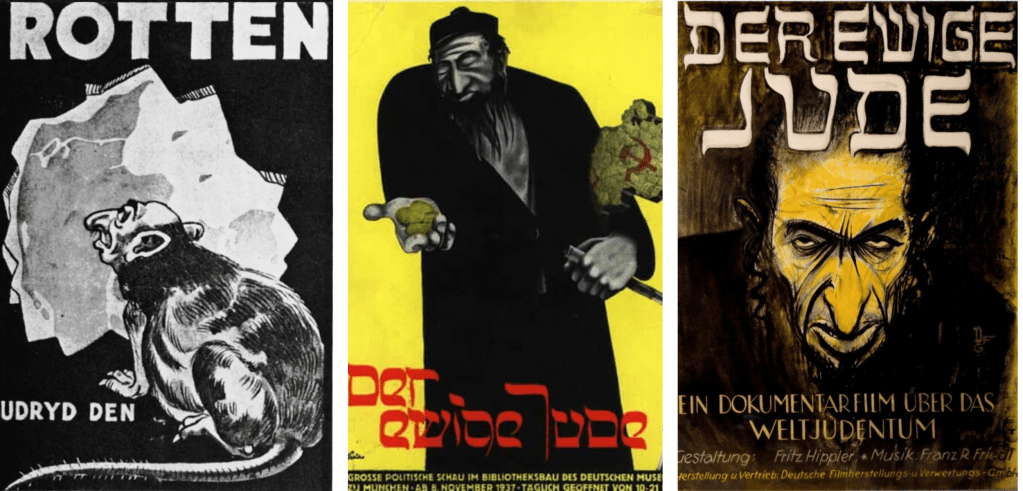
Stage 4 – Dehumanisation

Whilst a distinct stage itself, dehumanisation is something which occurs throughout a genocide. By reducing a group to a symbol or denying them rights, they are more easily able to be seen as sub-human and as deserving less than the dominant group. Dehumanisation is a psychological state whereby it is easier to harm and disregard the thoughts and feelings of others, considering a people as somehow inferior makes it easier to justify extreme acts against them.

The Holocaust Memorial Day Trust notes that:

“Those perceived as ‘different’ are treated with no form of human rights or personal dignity. During the Genocide against the Tutsi in Rwanda, Tutsis were referred to as ‘cockroaches’; the Nazis referred to Jews as ‘vermin’.”
Stage 5 – Organisation

Genocide cannot be committed by accident, there is always a form of organisation to it. Though, the degree of organisation can vary, some genocides, such as the Nazi regime, are highly organised at a supranational scale and spanning multiple territories. Other genocides, often perpetuated by terrorist groups, are decentralised.

The need for organisation makes inter-state conflicts, such as civil wars, prime breeding ground for genocides to occur. States receive an influx of arms and military support and civilian populations are placed into a much more vulnerable position.
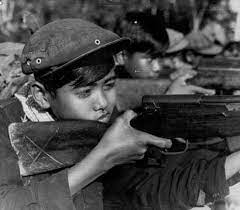
Often, the state will provide specific training in aid of a genocide. This can include the development of guerilla militias, secret police, or entire political divisions.

Stage 6 – Polarisation

Polarisation takes Stage 3 to the extreme level. Again, laws are used and employed to further separate the groups, not only removing more rights of the marginalised groups, but criminalising those within the majority group from supporting or engaging with the minority are common.

It is often at this stage where the majority group becomes more extreme and begins to target those outliers within the group, as Genocide Watch have stated:

“Extremist terrorism targets moderates, intimidating and silencing the center. Moderates from the perpetrators’ own group are most able to stop genocide, so are the first to be arrested and killed. The dominant group passes emergency laws or decrees that grants them total power over the targeted group.”

Anybody who remains silently supportive of the minority are now too fearful to speak out and the majority group have ultimate power and control. Genocide Watch considers South Africa to be at Stage 6, noting:

“Millions of immigrants from poorer African countries have settled in South Africa since 1994. Xenophobia against them has resulted in violent attacks, notably in 2008 and 2015, when over 50,000 immigrants were displaced. Due to anger about unemployment, high crime rates, and poor public services, young South Africans blame immigrants for taking jobs away from them. No perpetrators of the 2008 attacks on foreigners, the 2015 Durban riots, or the 2019 violence in eThekwini have been brought to justice. The same impunity results from non-prosecution of murders of white farmers. The Marxist, racist Economic Freedom Front party of Julius Malema encourages these murders, which are meant to terrorize farmers into emigrating from South Africa.”

Stage 7 – Preparation

Euphemisms such as ‘ethnic cleansing,’ ‘purification,’ or ‘counter-terrorism’ are used to prepare for the active stage of genocide. Mass development of genocidal aides take place, concentration camps are built, groups are trained to displace and move groups, and the rhetoric against the minority group is severely ramped up.

Groups will often disguise a genocide as self-defence, warning citizens and members of the majority that if the minority group is not destroyed then the majority group will be instead. The ability to prevent the genocide at this stage is incredibly difficult, with actions such as prosecution and elections actually being able to trigger the active genocide, rather than prevent it.
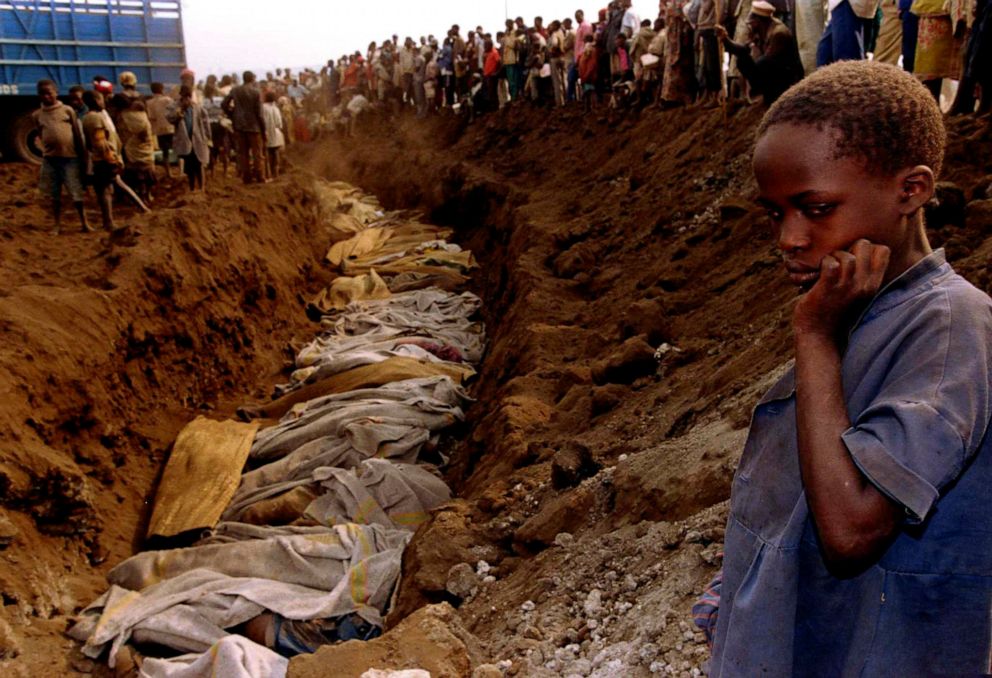
The Rwandan genocide was committed under the guise of self-defence, with Human Rights Watch reporting:

“In October 1990, two weeks after the first RPF attack and when the invaders were already retreating, local officials and political leaders incited Hutu living in Kibilira commune to kill some three hundred Tutsi neighbors in a “self-defense” operation.  The officials spread rumors that RPF combatants had killed Hutu in nearby areas and were about to attack the Hutu of Kibilira commune. This massacre, like fifteen other attacks launched by Hutu against Tutsi before April 1994, was far from the battlefront and the Hutu faced no imminent danger from RPF combatants, far less from the neighbors they attacked.”

Stage 8 – Persecution

This is the first stage where the Genocide Convention may formally recognise a genocide.
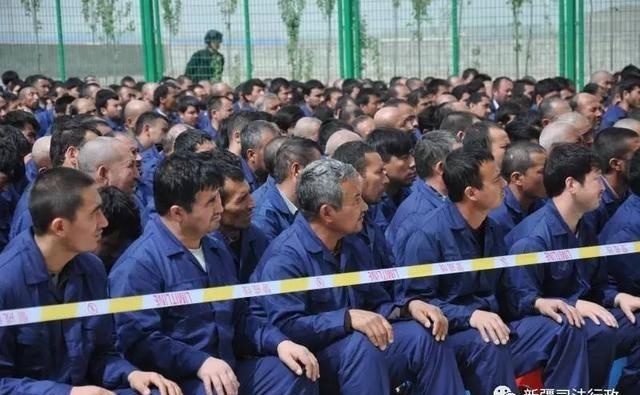
The minority group is targeted and systematically oppressed. Victims are separated from the wider community, often though forced relocation, segregation, or confinement in camps. The persecution is fueled by propaganda, contributing to a hostile environment where acts of violence against the minority group are normalised and encouraged.

The right to a trial is either removed entirely or special tribunals are created by the majority group. Specific death lists may be drawn up and notable individuals targeted. During World War 2, the Nazis established numerous ghettos where Jews were isolated, resulting in uncountable deaths from disease, starvations, killing or deportation.

The Uyghur Muslims in China are currently being persecuted, with the US Holocaust Memorial Museum noting that:

“China has created a large system of arbitrary detention and enforced disappearance. Approximately one million Uyghurs are currently imprisoned in detention centers, for reasons as simple as practicing their religion, having international contacts or communications, or attending a western university. The Chinese government has defended the camps as “vocational training centers” aimed at combating violent extremism. Leaked government documents reveal that the state is in fact targeting people based on religious observance, such as praying or growing a beard, as well as family background.”

Stage 9 – Extermination

Once an active extermination has begun, the only way to prevent it is an overwhelming armed intervention. Escape corridors and safe zones need to be established with heavily armed international protection.

Most genocides will never truly succeed, the minority group are almost never fully destroyed. However, the group will forever be altered and impacted by the genocide. In most modern cases, mass rape is a normal characteristic of genocides and is used to destroy the victim group. Similar modern means include forced sterilisation and abortion.

Mali is one of the countries currently engaged in an active genocide, despite the presence of UN Peacekeeping forces, ethnic groups including the Fulani, Dogon, and Tuareg are actively being targeted and killed by militias stemming from the 2011 Libyan Civil war and 2012 Mali coup d’état.

In the most organised and wide scale extermination to date, the Nazis built and utilised six large-scale death camps, the most notable being Auschwitz-Birkenau, at which just under 1 million Jews were murdered in gas chambers.

Stage 10 – Denial

Denial is less a distinct stage and more a continuing state. The majority group, even many years after the genocide, and often once that group is no longer a majority, will deny the atrocities as a genocide and continue to engage in defensive arguments in support of the horrific acts committed.

Genocide Watch have noted that:

“During and after genocide, lawyers, diplomats, and others who oppose forceful action often deny that these crimes meet the definition of genocide. They call them euphemisms like “ethnic cleansing” instead. They question whether intent to destroy a group can be proven, ignoring thousands of murders.  They overlook deliberate imposition of conditions that destroy part of a group.  They claim that only courts can determine whether there has been genocide, demanding “proof beyond a reasonable doubt”, when prevention only requires action based on compelling evidence.”

Denial can include mass cover ups of atrocities, the destruction of documents, bodies burned, witnesses murdered, and investigations hampered. Omar Hassan Ahmad Al Bashir, the former President of Sudan, and only individual currently being investigated by the International Criminal Court for Genocide, is currently being harboured in Sudan despite an international arrest warrant being issued.

What we see repeatedly when genocides are actively being committed is a lack of action by states and instead to focus the debate on the intricate details such as the definition of genocide. This takes away from the real issue that is the lives of millions of individuals currently being subjected to atrocities. As Philippe Sands has asked:

“The real question is, why does it matter if we call it a genocide?”


Avaia Williams – Founder

This blog was published on 25 October 2023
Decriminalisation Or Denial – Rethinking The UK’s Approach To Addiction

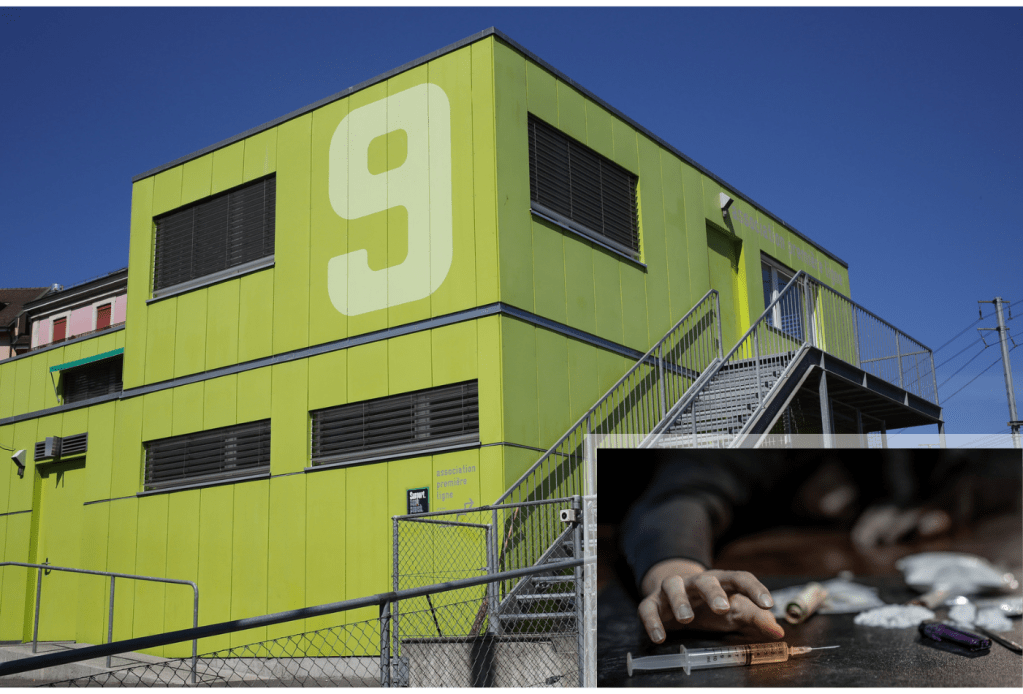
A Consumption Centre in Switzerland run by the Geneva Association for Drug Risk Reduction

When we think of addiction, be it to drugs or alcohol, the immediate image that often springs to mind is one of personal turmoil. However, the ripple effects of this struggle traverse beyond the individual, weaving into the societal fabric, economic dynamics, and the very essence of human rights.

For those trapped in the spiral of addiction, the challenges are multifaceted. At the heart of their ordeal lies a fundamental right to health. Article 25 of the Universal Declaration of Human Rights states that:

“Everyone has the right to a standard of living adequate for the health and well-being of himself and of his family, including food, clothing, housing and medical care and necessary social services, and the right to security in the event of unemployment, sickness, disability, widowhood, old age or other lack of livelihood in circumstances beyond his control.”

With the International Covenant on Economic, Social and Cultural Rights furthering this, noting:

“The States Parties to the present Covenant recognize the right of everyone to the enjoyment of the highest attainable standard of physical and mental health. The steps to be taken by the States Parties to the present Covenant to achieve the full realization of this right shall include those necessary for: (c) The prevention, treatment and control of epidemic, endemic, occupational and other diseases; (d) The creation of conditions which would assure to all medical service and medical attention in the event of sickness.”

Yet, access to healthcare, particularly for individuals dealing with addiction, often due to a stigma of this being self-inflicted, remains a struggle for many in the UK. Whilst the NHS Constitution asserts a right to access health services without discrimination, in practice, this is not always observed. Leonieke Boekel has noted that:

“Negative attitudes of health professionals towards patients with an alcohol or other drug addiction are known to lead to poor communication between professional and patient, diminished therapeutic alliance, and misattribution of physical illness symptoms to substance use problems.”

As such, it is unsurprising that almost half a million people struggling with dependencies on drugs and alcohol are not receiving any form of treatment for their addictions, with only half of those who use opiates and one in five dependent on alcohol actually seeking support.

Addiction is not a personal failure or lapse in judgment; it is a profound health concern. Yet, access to healthcare remains a distant dream for many, either due to scant resources or societal prejudices. The scarcity of health services is further exacerbated by the stigma attached to addiction. It’s a burden that denies individuals their inherent dignity, pushing them to the fringes of society and subjecting them to both overt and covert discrimination. The UK Drug Policy Commission has noted that:

“The continuing stigmatisation of people with drug dependence will undermine the Government’s efforts to help them tackle their condition and enable recovery and reintegration into society. If people with drug problems are seen as ‘junkie scum’ and ‘once a junkie always a junkie’, people will be reluctant to acknowledge their problems and seek treatment, employers will not want to give them jobs, landlords will be reluctant to give them tenancies and communities will resist the establishment of treatment centres.”

Similarly, with respect to seeking support for alcohol use disorders, it has been stated that:

“The most common perceived barriers were all person-related barriers, rather than treatment-related barriers, and they were mainly associated with stigma and shame: admitting to others of having a problem, being labelled, fear of the consequences and that others would find out […] They also reiterate stigma as an important and strong barrier to seeking AUD treatment.”

However, the challenges don’t end at the individual level. Addiction sends shockwaves through society at large. Public health facilities, already strained in many parts of the world, grapple with the repercussions of widespread substance usage. Shared needles become conduits for diseases like HIV/AIDS, and hospitals bear the economic brunt of addiction-related ailments. With alcohol-related crime making up a significant proportion of violent offences in the UK. This public health concern subtly intertwines with security issues. These concerns often lead to a single question at the heart of the debate: do we treat people struggling with addiction as patients or criminals?

The economic underpinnings of this dilemma cannot be ignored. Lost productivity, unemployment spikes, and rising healthcare expenditures all contribute to a nation’s economic strain. However, as noted above, in all likelihood, the loss in productivity, lower employment rate and expenditures regarding healthcare and welfare are consequences not of the addictions themselves, but of societies response. In the UK, the approach to drug addiction and alcoholism has historically been rooted in criminalisation, with laws like the Misuse of Drugs Act 1971 categorising substances into classes and imposing penalties based on possession, production, and supply, with sentences for simple possession being as high as 7 years’ custody and being under the influence of alcohol whilst committing most offences being an aggravating factor leading to higher sentences. Whilst the Governments 10-year drug strategy does outline support for recovery, including increased funding for support services and tackling drug use in prisons, a detailed analysis of this strategy in the Journal of Public Health reporting that:

“The Strategy suggests that decriminalization risks increasing drug use; however, this is not supported by evidence. Whilst criminalization has no clear benefits, it causes significant harm to people who use drugs. Since the Misuse of Drugs Act 1971 was introduced, more than three million criminal records have been generated for drugs offences.  In 2017, 60% of prosecutions for drug offences in England and Wales were for possession rather than supply, including 36% for the possession of cannabis.”

This contrasts sharply with countries like Portugal and Switzerland, which have pioneered public health centred approaches to addiction. In 2001, Portugal decriminalised the possession of small quantities of drugs, reframing addiction as a public health issue rather than a criminal one. This shift led to a significant increase in those accessing treatment, coupled with a decline in drug-related deaths, HIV transmission rates, prison population, and ‘high-risk’ drug use including injecting. Similarly, Switzerland has implemented a four-pillar harm reduction policy, including taking proactive health focused approached such as supervised drug consumption rooms and heroin-assisted treatments for high-risk users. These approaches prioritise health and social reintegration, yielding positive results in terms of reduced drug-related harm and societal costs. The comparison underscores the impact of policy perspectives on addiction outcomes and the benefits of viewing the issue through a public health lens.

Similarly for alcohol, the approach in the UK is, essentially, non-existent. The last alcohol strategy was published over a decade ago, this strategy was steeped in denial, rather than looking to the evidence and guidance on what works, the policy made vague commitments such as consulting on multi-buy promotions and minimum unit prices (most of which were not implemented or resulted in a lax implementation). Critical of this lack of approach, The Lancet have reported that:

“The UK Government has abdicated responsibility, relying on voluntary schemes based on industry goodwill rather than evidence-based policies. The bizarre position on alcohol labelling in the UK […] reveals the flaws of this voluntary approach: there is more nutritional information (including calories) on a typical container of milk than on a bottle of wine. Furthermore, having tasked the Chief Medical Officers to revise the low-risk drinking guidelines on the basis of best available and most up-to-date evidence, the UK Government has not required the alcohol industry to display this information on their products.”

This approach again is in direct contrast with other countries like Norway and Sweden. While there are treatment programs available for those struggling with alcohol addiction, often accessible through government funded charities, there is no state monopoly on alcohol sales, and regulation on advertising is more lenient. In contrast, countries like Norway and Sweden adopt a more rigorous public health approach. Both nations employ state-run monopolies on the sale of alcoholic beverages — Norway’s ‘Vinmonopolet’ and Sweden’s ‘Systembolaget.’ These monopolies aim to curb excessive consumption by removing the profit motive from alcohol sales. Advertising restrictions in these countries are also stringent, and alcohol is typically more expensive due to high taxes intended to deter excessive consumption. Additionally, both countries invest heavily in holistic treatment programs, placing a strong emphasis on early intervention and rehabilitation. This combined strategy of restriction, public education, and robust treatment options exemplifies a comprehensive public health approach to addressing the challenges of alcoholism.

Whilst cultural perceptions play an influential role and individuals have every right to take actions that may be harmful to their health, there remains a balancing act, addiction and high-risk behaviours are not impactful in isolation, the wider impact on society from numerous perspectives, including: healthcare, crime, homelessness, child development and more is striking. As such, it is a proportionate response to restrict the rights of some to see less advertising on alcohol or to ban super-strength beverages.

In navigating the intricacies of addiction, the UK finds itself at a pivotal crossroads, grappling with historical decisions that often prioritise criminalisation over compassion. Despite the irrefutable evidence pointing towards the efficacy of a public health-driven approach, as evident in nations like Norway and Sweden, the UK’s hesitant steps towards comprehensive reform reveal a persistent resistance to change. While individuals undeniably possess the right to make personal choices, the broader societal implications of addiction — from strained healthcare systems to escalating crime rates — highlight an urgent need for recalibration. This doesn’t entail encroaching on personal liberties but instead demands a nuanced understanding of the ripple effects of individual actions. Embracing evidence-based practices and mitigating the societal impact of addiction is not just a matter of policy reform; it’s a testament to a society’s commitment to upholding the dignity, health, and well-being of all its citizens. This approach must be unapologetic and fully committed, the evidence on the impact of decriminalising drug use and harsher controls on alcohol is too strong to ignore any longer.

Change Grow Live provides recovery support for drug and alcohol addiction as well as needle exchange services
Talk To Frank provide non-judgmental advice and information about drug use
ACUK offers support for anybody impacted by alcohol, including families and friends

Avaia Williams – Founder

This blog was published on 22 October 2023

Skin Deep Rights – My Experience With Human Rights Tattoo

Whilst perusing the depths of the internet for topics to blog about in the field of human rights in mid-August, I came across an article from the Manchester Evening News in which information about the Human Rights Tattoo project was being shared. The article was calling for those in Manchester to sign up to get part of the Universal Declaration of Human Rights TATTOOED on their bodies in support of human rights.

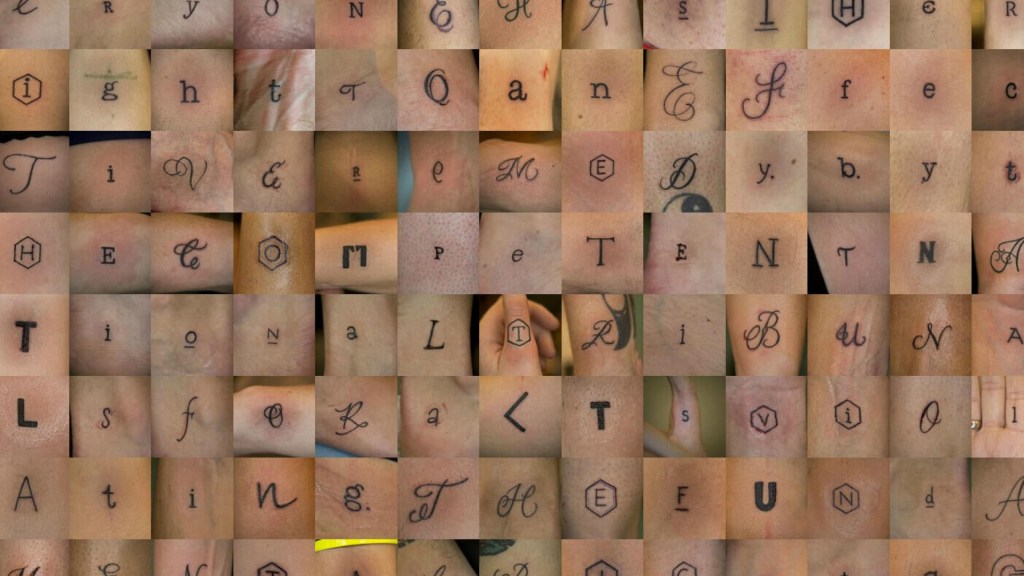
Since 2012, Human Rights Tattoo has travelled the globe, tattooing the Universal Declaration of Human Rights one letter at a time across thousands of people, with the goal being that all 6,773 letters will be spread across the earth on the bodies of 6,773 people. As the project states, those tattooed include:

“CEOs to residents of slums and from human rights lawyers to LGBT-activists. If you are a human being, you have what it takes to become part of the Human Rights Tattoo movement.”

As both a fan of human rights and making permanent alterations to my body, I had to try to get one of the coveted places on offer!

A Google form submitted, consent form signed, and a few short weeks waiting, and I arrived at Contact Theatre in Manchester. The first thing I noticed was how many young people were at the event, it was great to see so many supporting such a powerful and important cause. Whilst it is unarguable that human rights in the UK are more advance than in many countries which the project has visited, currently they are actively being attacked, demonised, and eroded by a vicious government, and so seeing a generation come out in support gives me hope that we will not back down from this fight!

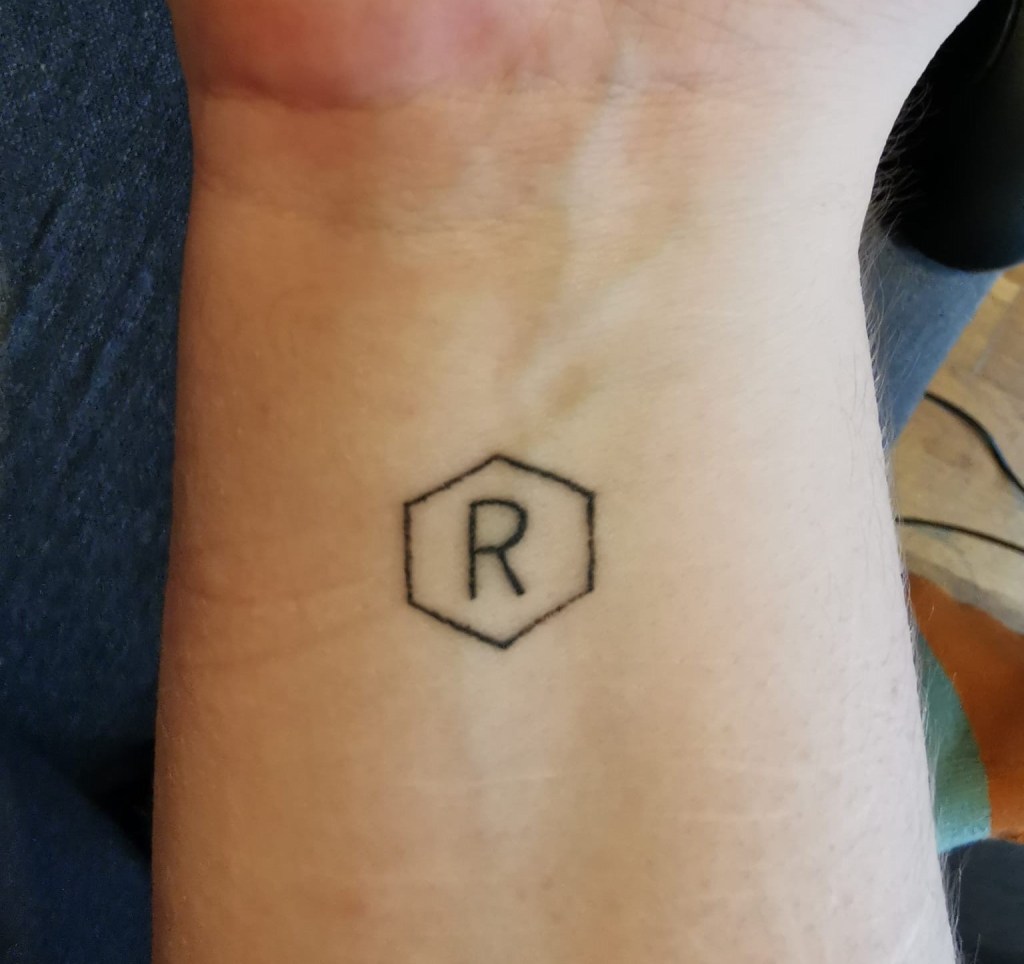
Having registered, the moment of truth came, I was assigned my letter! Hoping not to receive the letter C and spend my life explaining I was not in fact copyrighted; nor my own initial as, whilst lawyers are vein, I like to think I am not that narcissistic; and certainly not being assigned the initial of an ex! But thankfully, I was happy to receive the letter ‘R’, not only that letter, but it was the R in the word ‘Children’ from Article 25 of the declaration which states:

“Everyone has the right to a standard of living adequate for the health and well-being of himself and of his family, including food, clothing, housing and medical care and necessary social services, and the right to security in the event of unemployment, sickness, disability, widowhood, old age or other lack of livelihood in circumstances beyond his control.
Motherhood and childhood are entitled to special care and assistance. All children, whether born in or out of wedlock, shall enjoy the same social protection.”

Quite fitting for a children lawyer wouldn’t you say?

Before I could receive my tattoo, being true to myself, I had to strike up conversations with some faces I had never met before. I spoke with  the Human Rights Tattoo team, listening to some of the heartbreaking yet enlightening stories from human rights defenders in countries such as Zimbabwe, Burundi, and Mexico, countries in which being a human rights activist carries life threatening risks. Hearing the stories of tears and pain when these brave individuals were talking about their motivations for getting a tattoo was heartbreaking. At the same time, these stories were inspirational, these individuals are genuinely risking life and limb in the name of human rights, whilst at home we watch as rights some would die for are being shredded to the bone.

The tattooing wasn’t the only attraction at Contact that day, a number of people from different human rights organisations were present and there was rights inspired art spread across the walls of the venue. Knowing that I would be blogging about this event, I wanted to find out who the artist was to ensure credit for the amazing pieces was properly given, and so I was happy to be directed to the artist herself after asking a few people.

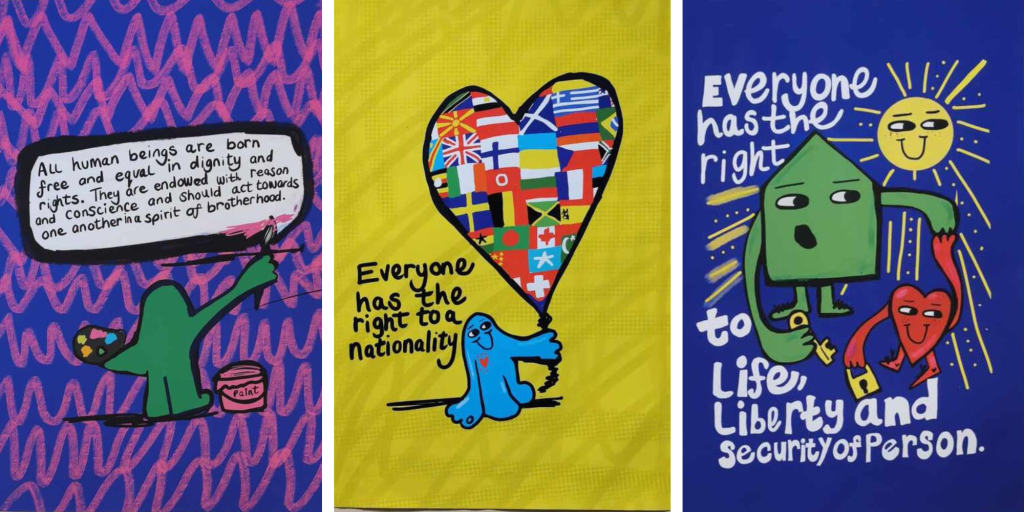
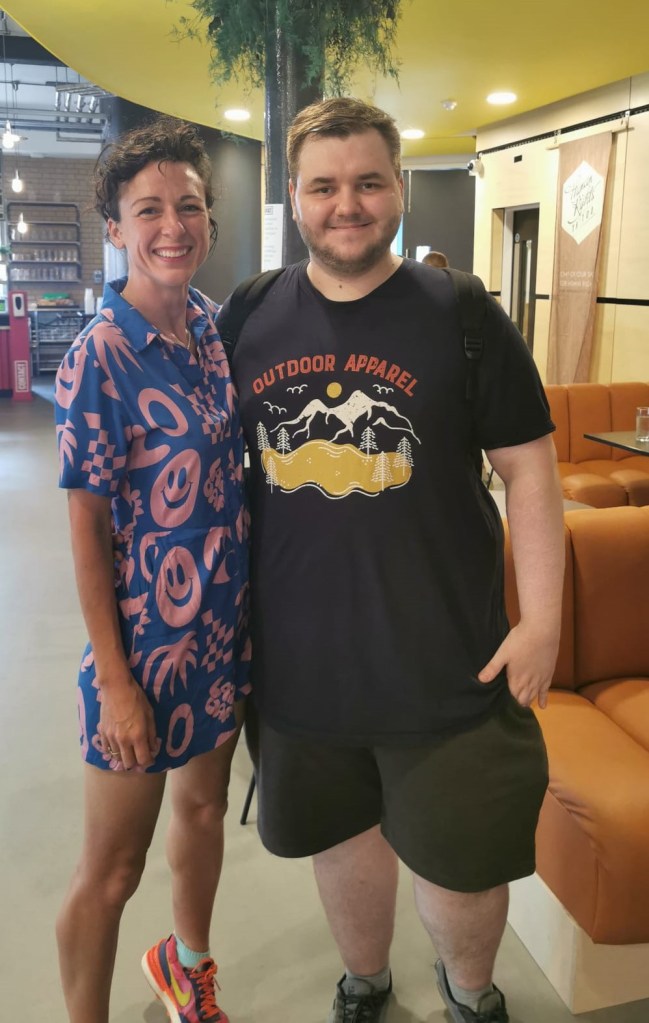
Emma Evans is the powerful ‘voice’ behind the illustrations that captured my eye. Talking with her was yet another light that began to shine in the hope for a more secure future for human rights, not only had Emma produced these illustrations and had them displayed at the event, but these pieces were each inspired by the articles of the Universal Declaration.

Better yet, they are being made into a children’s book, aiming to spread the importance of these fundamental tenants of what it means to be a human being to those most important for the future of our society. Emma spoke of how she wanted to create simple designs for what can often be these huge and complex ideas, a campaign I can get right behind! After getting to know Emma a bit better and being asked for a hug (human rights do tend to lead to simple expressions of humanity), I was also introduced to two further interesting and yet again young people (I hope they won’t mind me saying so!) from FRKHR.

Robert F Kennedy Human Rights UK is a grassroots organisation inspired by the legacy of Bobby Kennedy, brother of JFK and former Attorney General who passionately advocated for the US civil rights movement in the late 50’s, being directly involved in securing the release of Martin Luther King Jr from jail. In a sentiment which I could not agree with more, RFKHR exists to:

“…inspire the next generation of change-makers to make a positive impact in their community. If our young people are to build a more tolerant world, they need to be empowered with the mindsets, attitudes, skills and knowledge to act. Our human rights educational programme is all about giving children and young people the power and confidence to use their own voice.”

Chatting with Helen and Ella from RFK, I got to hear about their ‘Speak Truth to Power’ workshops, taking human rights education and advocacy to young people and empowering them to speak out and to be the next generation of defenders. Something we had in common was being part of a small organisation in a huge sphere, taking small steps to bring about change. Sharing my story with them, discussing the NRI, and my motivations for human rights activism and advocacy, led to Ella very kindly asking me if I would be interested in being interviewed and, well, remember that lack of narcissism from earlier?

Finally, it was time to be stabbed hundreds of times in a controlled and lawful manner (sounds more interesting that ‘get tattooed’ right?). Giving his time to the event was Dax, a self-taught tattoo artist from India who specialises in fine line work, perfect for the event. In what can only be described as an efficient operation, a team of four ensured that everything was clean, sterile, and prepared for 30 people to be tattooed as safely as possible.

5 minutes and some slight tingling passed and that was that. I would now forever carry a piece of the UDHR on me, what to some might look like a random letter, to me was an expression of the place which human rights holds for me and, at the least, a conversation starter to bridge the huge topic that is rights.

Overall, the event was an inspiring and positive occasion, but it also highlighted the juxtaposition of human rights currently. On one hand, we have people willing to defend rights to the point of etching principles permanently into their skin; on the other hand, we have a scary proportion of society happy to sit back and watch as the very rights that generations have fought for are steadily eroded under various pretences of “national security”, “border protection”, or simply plain ignorance. This apathy is dangerous. Rights, once revoked or destroyed, are very rarely reclaimed. They are fragile and need to be protected with vigour and passion. Today, the very foundation of our shared humanity is under threat: trans rights, workers’ rights, migrant and refugee rights, disability rights, environment rights and even the right to a fair trial are all being put in the crosshairs.

If there is any lesson to be taken from this event, it is that the time to stand up, to speak out, and to act is NOW. The cost of further inaction, of allowing our most fundamental rights to be snuffed out, is a price too high for future generations to bear.


Avaia Williams – Founder

This blog was published on 18 October 2023

Five Fundamental Rules Of War – Exploring The Geneva Conventions & Israel-Palestine

Armed conflicts have been a grim and enduring feature of human history as well as current affairs. In the midst of the chaos and devastation that war brings, certain principles and rules have emerged to provide a glimmer of humanity and to minimise the suffering endured by civilians and combatants alike. Among these rules, which are vast in number and scope, five stand out as fundamental to the conduct of warfare. These rules are guided by the Geneva Conventions and customary international humanitarian law. These rules aim to uphold the principles of distinction, humane treatment, and protection of essential services in times of conflict.

One of the most common misconceptions about the rules of war are the Geneva Conventions. These treaties, which are often quoted as simply being “the Geneva Convention”, are actually four separate instruments along with three additional protocols (along with a ‘mini-convention’ known as Common Article 3). They each address specific areas of armed conflict and together form the basis of regulating armed conflict (formally known as International Humanitarian Law).


The Geneva Conventions

Geneva Convention for the Amelioration of the Condition of the Wounded and Sick in Armed Forces in the Field (Geneva Convention I) – This is actually the fourth iteration of the original Geneva Convention adopted in 1864, it contains 64 articles that provide protection for wounded and sick individuals as well as the regulation of medical aid. This Convention also details the heraldic nature of the Red Cross, Red Crescent, and Red Lion symbols.

Geneva Convention for the Amelioration of the Condition of Wounded, Sick and Shipwrecked Members of Armed Forces at Sea (Geneva Convention II) – This Convention replaced the Hague Convention of 1907 and is applicable specifically to the law of conflict at sea, its main concerns are with hospital ships and medical personal aboard ships.

Geneva Convention relative to the Treatment of Prisoners of War (Geneva Convention III) – This is the second most comprehensive Convention, containing 143 articles which govern the treatment of prisoners of war, including rights to finances, justice, and repatriation.

Geneva Convention relative to the Protection of Civilian Persons in Time of War (Geneva Convention IV) – The most detailed Convention deals not with combatants themselves, but with the civilians who are too frequently caught up in hostilities. It details who such protected parties are and the law which must be followed in relation to them.

Article 3 Common to the Four Geneva Conventions (Common Article 3) – Unsurprisingly, given its name, this is an Article which is present in all four Conventions. It deals with ‘non international conflict’, most notably that being civil war and inter-state conflict, and details what must, as an absolute minimum, be recognised in any conflict no matter the nature. It includes principles such as humane treatment of prisoners of war and the prohibition of war crimes.

Protocol Additional to the Geneva Conventions of 12 August 1949, and relating to the Protection of Victims of International Armed Conflicts (Additional Protocol I) – This protocol enhances the protections of victims of international armed conflict and provides further definition to the rights and rules governing such conflicts.

Protocol Additional to the Geneva Conventions of 12 August 1949, and relating to the Protection of Victims of Non-International Armed Conflicts (Additional Protocol II) – This protocol extends humanitarian protection to victims of non-international armed conflicts and was the first ever international treaty devoted exclusively to non-international conflict.

Protocol Additional to the Geneva Conventions of 12 August 1949, and relating to the Adoption of an Additional Distinctive Emblem (Additional Protocol III) – This protocol added the ‘Red Crystal’ as a fourth protected and heraldic emblem which must not be targeted.


Five Fundamental Rules of War

Distinction between Combatants and Civilians

The principle of distinction is the cornerstone of the laws of war. It demands a clear differentiation between combatants—those actively participating in hostilities—and civilians, who are not involved in the fighting. This vital distinction is outlined in Article 48 of Additional Protocol I to the Geneva Conventions and serves as a shield for civilians, ensuring that they are not subject to direct attacks solely because they happen to reside in or near a conflict zone, it states:

“In order to ensure respect for and protection of the civilian population and civilian objects, the Parties to the conflict shall at all times distinguish between the civilian population and combatants and between civilian objects and military objectives and accordingly shall direct their operations only against military objectives.”

The rule of distinction underscores that civilians and civilian objects must be spared from harm to the greatest extent possible. Deliberate attacks on civilians or civilian infrastructure, such as hospitals and schools, are strictly prohibited under international humanitarian law. Combatants are obliged to take every feasible precaution to minimise harm to civilians, further exemplifying the commitment to this crucial principle.

Prohibition of Torture and Cruel Treatment

Common Article 3 of the Geneva Conventions and Article 75 of Additional Protocol I and II explicitly prohibit the torture, cruel, inhuman, or degrading treatment of individuals. This rule reflects the commitment to uphold human dignity even in the direst of circumstances. Article 75(1) states:

“In so far as they are affected by a situation referred to in Article 1 of this Protocol, persons who are in the power of a Party to the conflict and who do not benefit from more favourable treatment under the Conventions or under this Protocol shall be treated humanely in all circumstances and shall enjoy, as a minimum, the protection provided by this Article without any adverse distinction based upon race, colour, sex, language, religion or belief, political or other opinion, national or social origin, wealth, birth or other status, or on any other similar criteria. Each Party shall respect the person, honour, convictions and religious practices of all such persons.”

It’s important to note that this rule extends not only to prisoners of war but also to all individuals, including civilians, who find themselves in the custody of a belligerent party during a conflict. By safeguarding against torture and cruelty, this rule reinforces the moral obligation to treat all human beings with at least a basic level of respect and humanity, regardless of their status.

Protection of Medical Personnel and Facilities

Medical personnel, including doctors, nurses, and paramedics, as well as the facilities which they use, including hospitals and transport vehicles, play a vital role in providing care to the wounded and sick during armed conflicts. The Geneva Conventions recognise their indispensable contribution by including specific provisions for their protection.

Articles 24 and 25 of the First Geneva Convention (1949) and Articles 22 and 36 of the Second Geneva Convention (1949) highlight the protection of medical personnel and facilities. These articles prohibit any attack on medical units, transports, and personnel involved in medical activities. This protection is extended even to personnel who may have previously been combatants but are now engaged in medical duties, such as stretcher-bearers. Article 24 states that:

“Medical personnel exclusively engaged in the search for, or the collection, transport or treatment of the wounded or sick, or in the prevention of disease, staff exclusively engaged in the administration of medical units and establishments, as well as chaplains attached to the armed forces, shall be respected and protected in all circumstances.”

The reasoning behind this rule is clear: without the assurance of safe medical care, wounded combatants and civilians alike would be less likely to seek treatment, resulting in avoidable suffering and loss of life, a concept understood by all sides to a conflict. Thus, safeguarding medical personnel and facilities is not only a legal obligation but also a humanitarian imperative.

Treatment of Prisoners of War

The treatment of prisoners of war (POWs) is governed by the Third Geneva Convention (1949). This convention sets forth a comprehensive framework for the protection of captured combatants and safeguards their rights and dignity.

Key articles, such as Articles 13, 14, 15, and 16, outline the rights of POWs, including their right to humane treatment, protection from acts of violence, and access to medical care. The conventions mandate that POWs be treated with respect, irrespective of the conflict’s nature or the allegiance of the captured combatants. This rule reflects a commitment to the belief that even in the throes of war, basic human rights should be preserved and respected. This principle, similarly to the treatment of medical personnel, is one which benefits all sides to a conflict, if one side begins to torture or mistreat their prisoners, the other side are likely to do the same to the first sides personnel.

Article 13 states:

“Prisoners of war must at all times be humanely treated. Any unlawful act or omission by the Detaining Power causing death or seriously endangering the health of a prisoner of war in its custody is prohibited, and will be regarded as a serious breach of the present Convention. In particular, no prisoner of war may be subjected to physical mutilation or to medical or scientific experiments of any kind which are not justified by the medical, dental or hospital treatment of the prisoner concerned and carried out in his interest.”

Prohibition of Indiscriminate Attacks

The principle of proportionality and the prohibition of indiscriminate attacks are encapsulated in Article 51 of Additional Protocol I. This rule underscores the need for military operations to be conducted with care to minimise harm to civilians and civilian objects.

Indiscriminate attacks, those that fail to distinguish between military targets and civilian objects, are strictly prohibited under international humanitarian law. Such attacks would result in excessive harm to civilians compared to the military advantage gained, and as such, they are unlawful. Article 51(4) states that:

“Indiscriminate attacks are prohibited. Indiscriminate attacks are:
(a) those which are not directed at a specific military objective;
(b) those which employ a method or means of combat which cannot be directed at a specific military objective; or
(c) those which employ a method or means of combat the effects of which cannot be limited as required by this Protocol;
and consequently, in each such case, are of a nature to strike military objectives and civilians or civilian objects without distinction.”

The rule also places an obligation on combatants to take precautions in attack. This means that before launching an attack, military planners must assess the potential harm to civilians and take measures to mitigate that harm. This includes providing warnings to civilians, selecting weapons and tactics that minimise harm, and refraining from attacks that would cause disproportionate damage to civilian life and property.


The Rome Statute

Whilst the Geneva Conventions provide for extensive and strict rules of war, the Conventions themselves do not provide for the criminalisation of these issues. That jurisdiction falls to the Rome Statute of 1998, this international Statute, which has been ratified by 123 states, established the International Criminal Court (ICC), a permanent international court with the authority to prosecute individuals for the most serious crimes of international concern, including genocide, war crimes, crimes against humanity, and the crime of aggression.

While the Rome Statute primarily focuses on individual criminal responsibility for these grave offenses, it has a strong connection to the Geneva Conventions and international humanitarian law. Notably, the offence of ‘war crimes’, as set out in Article 8 of the Rome Statute, which is defined as:

“For the purpose of this Statute, ‘war crimes’ means grave breaches of the Geneva Conventions of 12 August 1949, namely, any of the following acts against persons or property protected under the provisions of the relevant Geneva Convention: Wilful killing; Torture or inhuman treatment, including biological experiments; Wilfully causing great suffering, or serious injury to body or health; Extensive destruction and appropriation of property, not justified by military necessity and carried out unlawfully and wantonly; Compelling a prisoner of war or other protected person to serve in the forces of a hostile Power; Wilfully depriving a prisoner of war or other protected person of the rights of fair and regular trial; Unlawful deportation or transfer or unlawful confinement; Taking of hostages.”

It is with this in mind that the enforcement of the law of armed conflict becomes very difficult. Whilst every state on the globe has ratified the four base Geneva Conventions, there are 31 states who have only ‘signed’ the Rome Statute and 41 states who have taken no action in respect of it.


Israel-Palestine Conflict

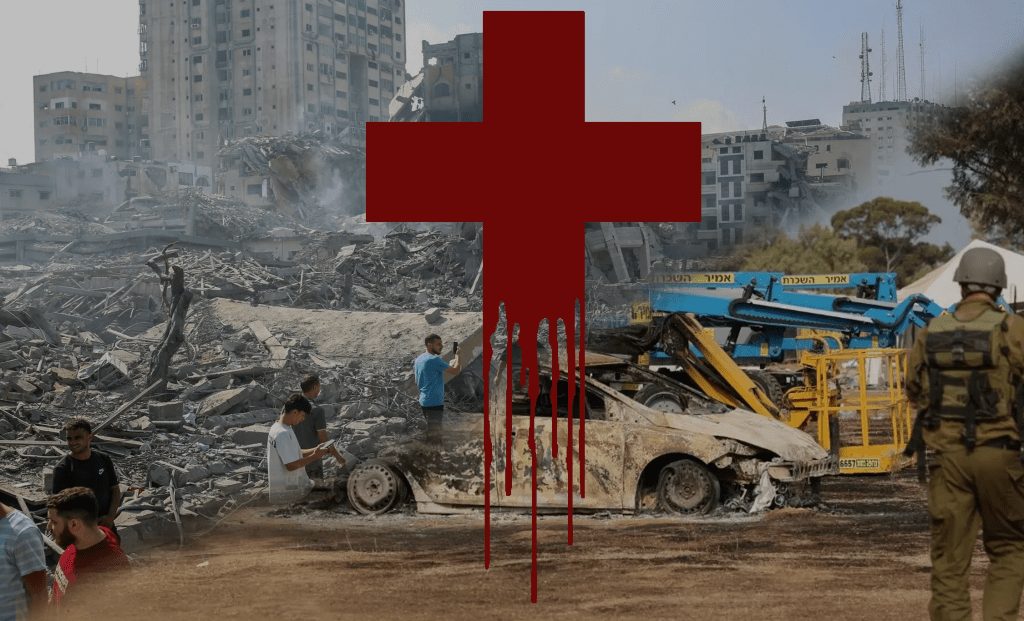
Much is currently being said about the conflict occurring in Palestine and Israel, but the situation with respect to international law is quite complicated. Both states are parties to the Geneva Conventions and have fully ratified the four Conventions, this means that any use of force by either state should conform to the principles within the conventions. Israel, however, has not ratified the Rome Statute and, in a note sent on 28 August 2002, the state confirmed that:

“Israel does not intend to become a party to the treaty.  Accordingly, Israel has no legal obligations arising from its signature on 31 December 2000.  Israel requests that its intention not to become a party, as expressed in this letter, be reflected in the depositary’s status lists relating to this treaty.”

Somewhat more complicated, in 2009 Palestine issued a declaration accepting the jurisdiction of the ICC, however, due to the complex geo-political situation in respect of Palestine being recognised only as a Non-Member Observer State, the ICC Prosecutor could legally not accept this declaration. Eventually, in 2015, Palestine acceded to the Rome Statute with the Pre-Trial Chamber of the ICC deciding in 2021 that:

“regardless of its status under general international law, Palestine’s accession to the Statute followed the correct and ordinary procedure and that the Chamber has no authority to challenge and review the outcome of the accession procedure conducted by the Assembly of States Parties. Palestine is therefore a State Party to the Rome Statute, and, as a result, a ‘State’ for the purposes of article 12(2)(a) of the Statute.”

This means that, as far as enforcement goes, the situation between Israel and Palestine is similar to that faced by Russia and Ukraine, with one state being committed to accepting the Court’s jurisdiction with the other ignoring it entirely.

It is worth noting that the ICC Prosecutor is currently investigating the situation in Palestine, stating:

“ To both Palestinian and Israeli victims and affected communities, we urge patience. The ICC is not a panacea, but only seeks to discharge the responsibility that the international community has entrusted to it, which is to promote accountability for Rome Statute crimes, regardless of the perpetrator, in an effort to deter such crimes. In meeting this responsibility, the Office focuses its attention on the most notorious alleged offenders or those alleged to be the most responsible for the commission of the crimes.”


Conclusion

The five fundamental rules of war outlined in the Geneva Conventions and customary international humanitarian law are not merely legalistic jargon; they are a collective expression of our shared commitment to humanity even in the darkest of times. These rules emphasise the importance of distinguishing between combatants and civilians, protecting the dignity of all individuals, safeguarding medical personnel and facilities, treating prisoners of war humanely, and avoiding indiscriminate attacks. They remind us that even amidst the chaos of armed conflict, there is an enduring moral duty to uphold the values that make us human. By abiding by these rules, we aspire to mitigate the suffering caused by war and preserve our shared humanity in the face of adversity.

These rules must be recognised and adhered to as a bare minimum, regardless the conflict, where it is occurring, or the reasons behind the conflict. Whilst this piece is not presented to address the situation in Palestine and Israel per se, we do call on both states to ensure respect and humanity for civilians and to ensure compliance with International Humanitarian Law.


Avaia Williams – Founder

This blog was published on 15 October 2023
The 10 WORST Members Of The UN Human Rights Council

The United Nations Human Rights Council (UNHRC), that big, international group that purports to champion and protect all things related to human rights, have just announced their new lineup, and it isn’t what you would expect – unless, of course, like us, you have been beaten down into a cynic when it comes to human rights. Among those who are stepping onto the global stage for the first time from January 2024 include expected candidates such as France and the Netherlands, but some surprise countries are Cote d’Ivoire and Kuwait. It may come as no surprise that Russia, the country which invaded Ukraine last year, failed to get re-elected to the council.

To secure membership on the Council, states need to “promote and protect all human rights and fundamental freedoms”, you may therefore find some members of this list not only surprising, but against the very ethos of this principle. Read on as we explore the top 10 nations now sitting on the 47 strong Human Rights Council with the worst human rights records. Be warned, some truly are shocking!

 10 – United Arab Emirates


Kicking off this list is the UAE, a country which many may have expected to be much closer to the coveted number 1 spot, a country made up of seven emirates including Dubai and Abu Dhabi, has a very public history with human rights violations, with all major NGO’s actively criticising the country.

Whilst the country has made ‘some’ progress in recent years, such as allowing women to drive, no clear picture can be drawn for many outside of the country due to the UAEs ‘soft power’ strategy to improve the countries profile on a global scale (in short, a giant and state funded propaganda drive).

The landscape of free expression and belief within the country remain barren and dangerous, with numerous political prisoners serving arbitrary sentences after unfair hearings, including Ahmed Mansoor, a human rights activist who has been sentenced to 10 years imprisonment for “threatening state security” over his blog calling on the state to reform.

The UAE are guilty of refusing medical treatment to detainees suffering from HIV and overall have an abysmal detention record, with international monitoring groups, including the UN themselves, being prevented from conducting visits to the state’s prisons and facilities (which is unsurprising considering they are not a signatory to OPCAT).

The UAE consistently rank low in global indexes, most recently being placed in 127th place in the Human Freedom Index Ranking. It is for these reasons they take our number 10 spot.

9 – Qatar


Coming to more prominent attention last year due to the hosting of the World Cup, Qatar is another middle eastern state which has a poor record of upholding human rights. Whilst the country has attempted to paint over this abuse (most notably due to the aforementioned World Cup) it has done little to actually change these practices.

Qatari laws are extremely prejudicial against LGBTQ+ individuals, with their laws criminalising anybody who “tempts” another “by any means” into a homosexual act, an arbitrary definition at best which could be used to prosecute countless individuals.

Whilst the Qatari Constitution prohibits torture and inhuman treatment, in practice this is ignored, with flogging regularly being ordered. The state does not allow independent monitoring of its prisons and so self-reporting that all prisons meet international standards is almost certainly a falsehood. With individuals entering such prisons to serve life sentences simply for organising public meetings and questioning the state online.

Qatar, despite best attempts to hide the fact, remains one of the worst abusers of human rights worldwide, as such, it snags the number 9 spot on this list.

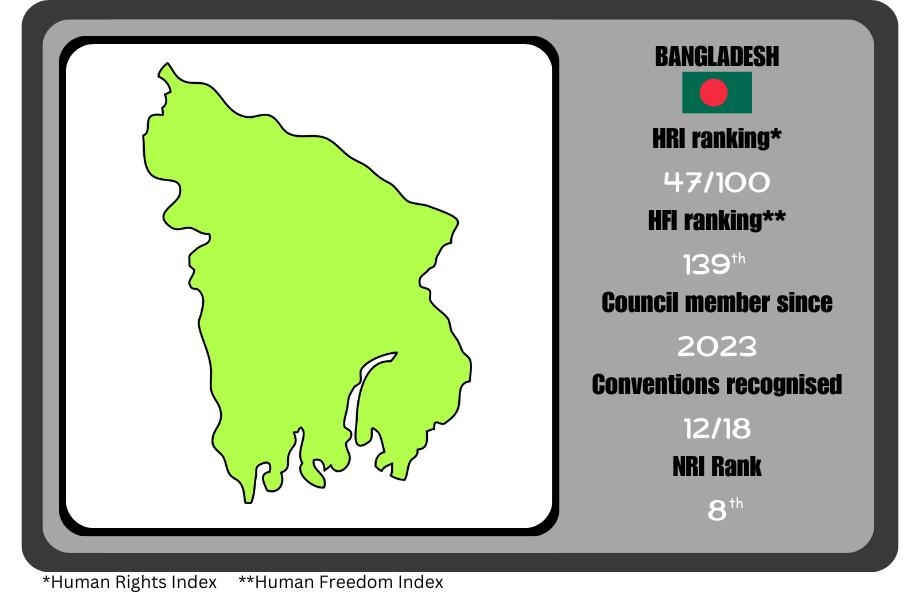
8 – Bangladesh


The first South Asian country in this list, Bangladesh is one not often raised in discussions on international human rights, at least not in the West, however, the country has a rich tapestry of abuse, torture, and discrimination. Despite being a member of the UNHRC, the first ever visit by the UN Commissioner for Human Rights took place only a year ago.

The police regularly deploy batons, tear gas, rubber bullets and live ammunition against protestors, including several being shot dead. More deaths occur from torture within the prison estate, including reports of torture being carried out against prisoners whose families do not pay bribes.

Bangladesh have not ratified numerous international conventions, including the Convention for the Protection of All Persons from Enforced Disappearance nor OPCAT, resultingly the country regularly executes prisoners without trial and ‘disappears’ numerous others, with their fates entering a state of indefinite limbo.

Bangladesh is a state finally being discussed more in the West, and for good reason, with rights against workers, women, refugees, politicians, and many others being non-existent, the country rightfully takes number 8.

7 – Viet Nam


As one of the few remaining communist states, it is unsurprising that human rights take a back burner in Vietnam, however, as a popular tourist destination, abuses are routinely covered up by the state and the true picture is likely never going to be understood.

Confessions are regularly extracted by torture and detainees then kept in prison without contact to the outside world, including families or legal representation. Many are sentenced to unbelievably long sentences for minor ‘offences’ such as calling for action on climate change or blogging about the government, with prominent activists regularly being sentenced to up to a decade in harsh prison conditions.

Human rights NGOs and activists are regularly surveilled, arrested and harassed by the state with torture and ill-treatment being reported at a exceedingly concerning rate. In an almost laughable act, after declaring itself for candidacy for the UNHRC, Viet Nam arrested and/or sentenced at least 48 journalists and NGO leaders.

Those who “spread propaganda” are often beaten and tortured in prison, many whilst awaiting trial, others die in detention due to healthcare being restricted or removed entirely.

Viet Nam is one of the few states whose Human Rights Index score has drastically dropped in the past few decades, showing an alarming decline in the treatment of those within the state, it is for this reason that number 7 is awarded.

6 – Algeria


A familiar face to any who even take a cursory look into international human rights, Algeria has a 60 year history, most of those years spent denying the most basic of rights to its citizens. Women are prevented from moving freely in public without a male guardian or their permission and domestic abuse regularly leads to the deaths of women and girls due to a state ignorance of the practice, with wives being considered property.

Protest is a dangerous act within the country, even peaceful assembly results in widescale arrests, simple actions such as carrying a flag can lead to years spent behind bars. Many opposition parties, such as the Socialist Workers’ Party, have been suspended by the State, resulting in little political resistance.

Torture is a routine occurrence in Algeria, with domestic courts ruling that deporting anybody to Algeria has a severe risk of breaching the Article 3 rights of prospective deportees and that, even with diplomatic assurances, the likelihood is that torture may still occur. The preferred methods of torture employed by Algeria include electric shock, beatings, and forced swallowing of water, urine, or chemicals (known as the Chiffon Method).

It is unlawful to practice any religion other than Sunni Islam and places of worship are routinely closed and licensed to build them refused. Anybody who goes against such law can face years imprison for “offending Islam”, such as Hamid Soudad who was sentenced to five years imprisonment for practicing Christianity.

For its long standing history of abuse and a clear path forward of this continuing, Algeria has taken the first halfway place at number 6.

5 – Morocco


Another popular tourist destination, and a country few will first think of when human rights abuse is raised, Morocco is entering the list strong with even the most basic of rights such as the ability to move workplace or home being severely limited.

Human rights defenders and NGO activists are often spied upon, with Amnesty International reporting on a case early last year in which Israeli Spyware ‘Pegasus’ was found on the phones of Aminatou Haidar.

Calls for improvement to work and education rights are regularly met with violent and brutal responses from the police who are empowered to torture and rape activists, both inside and outside the prison system. Considering rape is a crime against morality rather than the individual in Morocco, it is no surprise such actions occur on a state scale.

LGBTQ+ rights are non-existent in the country, with information and books about sexuality being censored by the state and the practice of homosexuality being met with up to three years imprisonment. The Asher & Lyric Travel Safety Index has marked Morocco as the 25th most unsafe country to visit for LGBT individuals.

Migrants and asylum seekers have been killed for attempting to enter Morocco to claim asylum with the state conducting no effective investigations, for that reason, and those above, Morocco snags the second middle spot of 5.

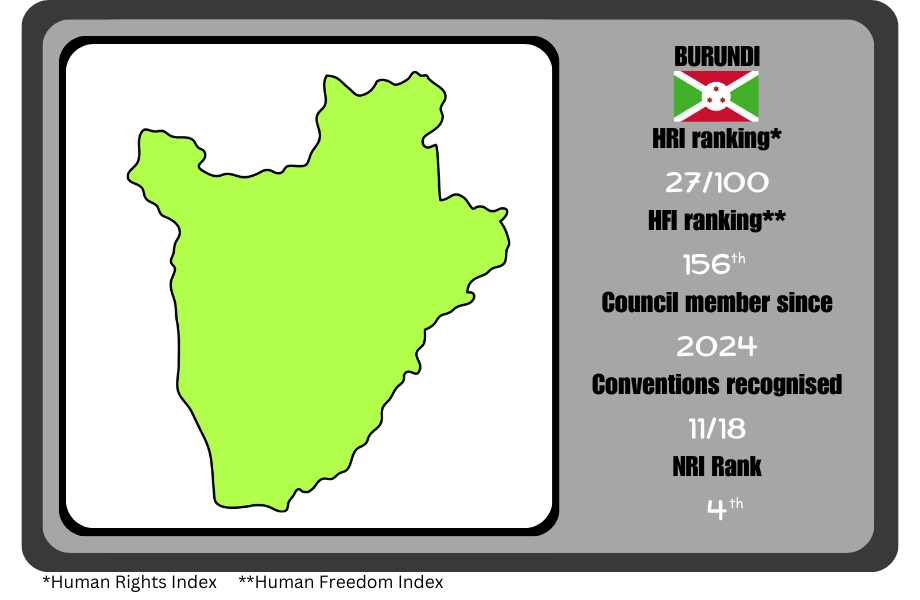
4 – Burundi


Worryingly, Burundi is the only state on this list new to the UNHRC, having been formerly elected to the role on 10 October 2023. However, Burundi, like all on this list, has clearly earned its place despite hopes that the recent change in leadership would pave the way for a safer country.

20% of Burundi’s population need humanitarian assistance, notably being exacerbated by the authorities refusal to cooperate with such relief and rights mechanisms. The Burundi Genocide and Civil War continue to have lasting effects, with ‘victors justice’ significantly undermining fundamental truths of the conflict and the ruling party declaring the Hutu as the sole victims of the massacres.

The right to life is one barely guaranteed in the state with hundreds of bodies being found dumped in rivers in recent years, many having clearly been murdered. The number of enforced disappearances still remains high, many of those who go missing are members of the main opposition party, the CNL.

Burundi, despite being a State Party to numerous international conventions, is regularly listed as one of the worst perpetrators of human rights abuse in the world, being ranked at the 10th worst country on the Human Freedom Index and 23rd worst on the Human Rights Index.

Burundi, for its appalling record at providing even the most fundamental rights such as that to life, has unsurprisingly entered our list at number 4.

3 – China


An unsurprising entrant to our list, China, as the only other communist country on this list, remains committed to statewide abuses of human rights and the denial not only of such rights, but of entire peoples within its borders.

Human rights defenders, including lawyers and journalists, are regularly imprisoned in vile conditions, being subjected to torture and inhuman treatment. Many such prisoners are tried in secretive security courts without any oversight.

China continues to be the leading country at executing people, with death via firing squad remaining enforceable for 46 offences, 22 of then non-violent in nature, with estimates from NGO WCADP stating that roughly 8,000 executions are carried out each year.

The Chinese Communist Party continues their tirade against the Uyghur Muslims, with Genocide Watch noting that the genocide is now in the execution stage meaning thousands are actively and systematically being killed. The unofficial Uyghur Tribunal reported in its judgment that mass sterilisation, enforced abortion, forcible transfer of children are occurring in record numbers and the level of internment is the highest since the concentration camps of Nazi Germany.

China state control over the internet and media make it difficult for the true scale of atrocities to be understood. The level of control and censorship was somewhat understood when foreign journalists were monitored, restricted and censored when covering the Winter Olympic Games.

With the ability to even spend money being tightly controlled by the state, China has rightfully earned its show place as our number 3 offender.

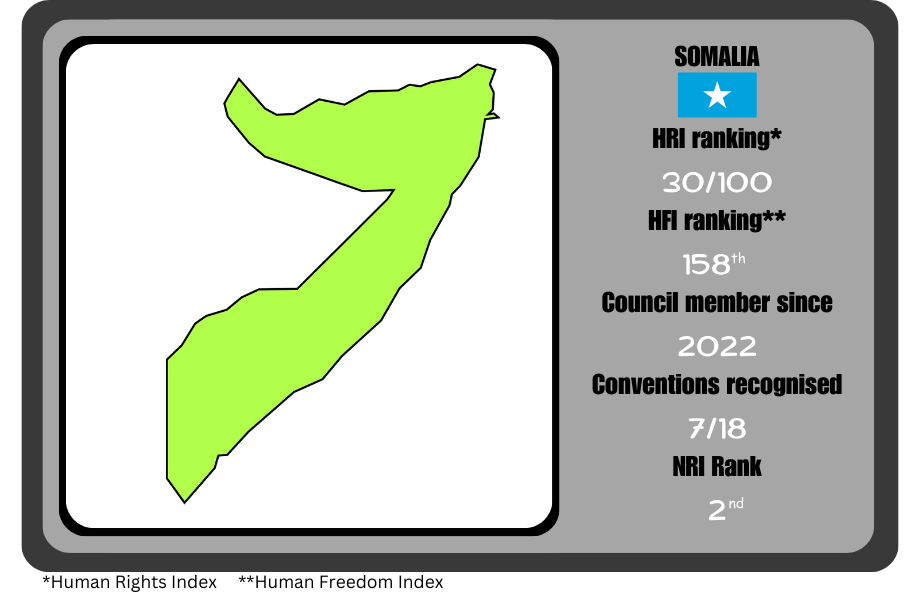
2 – Somalia


With its civil war entering its third decade, there is no shock with Somalia being a significant human rights abuser, however, its position on the United Nations Human Rights Council remains abhorrent and leaves many NGOs and activists speechless.

MILLIONS of Somali citizens have been displaced internally or fled the country as refugees and asylum seekers (for the ‘close our border’ folk out there, 80% are living in neighbouring countries within Africa).

An uncountable number of citizens are killed yearly by state security forces without any judicial inquiries taking place and no accountability for those actors involved. Those not killed by the state are often subject to suicide bombings and coordinated attacks from Al-Shabab, skyrocketing Somalia to the number three spot on the Global Terrorism Index.

Somalis struggle to have their right to food recognised, with geo-political conflicts adding to the strain, over half of the population are dependent on humanitarian assistance to survive. Over 1 million children are malnourished and last year almost a thousand children died in nutrition centres.

Children and women bear a large proportion of abuse, with the education establishments that do exist being attacked and women and girls routinely being sexually assaulted and raped, even if most victims were not murdered after, they would struggle to obtain justice as Somalia treats such offences as offences “against modesty and sexual honor”.

If being killed by the army, hunger, terrorists and murder wasn’t enough, parts of Somalia still enforce the death penalty for being gay, it is therefore our honour to award Somalia the runner-up prize of number 2.

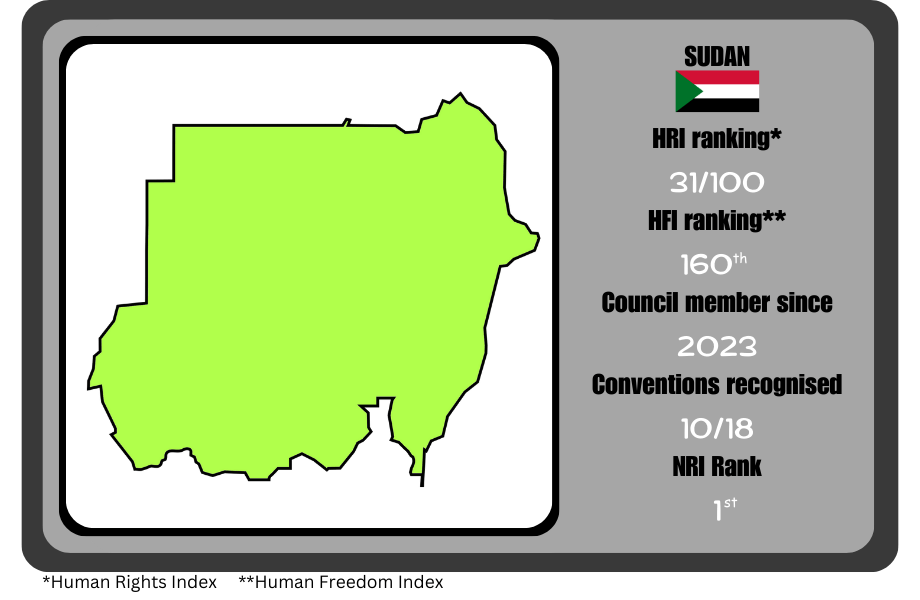
1 – Sudan


No pomp and circumstance is needed for the introduction of our winner, Sudan, by far, has the worst human rights record of any member of the UNHRC and one of the worst records out of all countries on the globe.

Rape and sexual violence is a tool available to all members of the Sudanese Security Forces (“RSF”) and, despite being a member of the UNHRC, was told by the UNHRC, that the situation where women and girls are being kidnapped, detained, and entered into sex slavery is alarming.

War crimes have been reported to the International Criminal Court and the Prosecutor, Karim Khan KC, has launched an investigation. Over 4,000 civilians have been killed in the conflict currently playing out in Sudan with UN specialists witnessing occasions of people being denied safe passage to flee.

The Sudanese government have used the heightened tensions to restrict peaceful protest, including disappearing many who choose to speak out. Those who are detained are subject to torture, including being kicked by horses, beating with rods, denied food and sleep, and being put into illegal stress positions.

Sudan persecutes those who seek to practice a divergent religion, being marked at 10th place on the Open Doors’ Watch List, with church leaders being arrested and tortured and those who choose to protest for the right to practice their belief are regularly killed by state and military officials.

It is no surprise that Sudan has a Human Rights Index score of 31 of 100, is 9th place on the LGBT Index, and is regarded as the 6th worst country on the globe for human freedoms.

With attacks on the press, judicial bias, FGM, corruption and overall ignorance of what it means to promote human rights, Sudan has easily secured the top spot in our list.


Avaia Williams – Founder

This blog was published on 11 October 2023
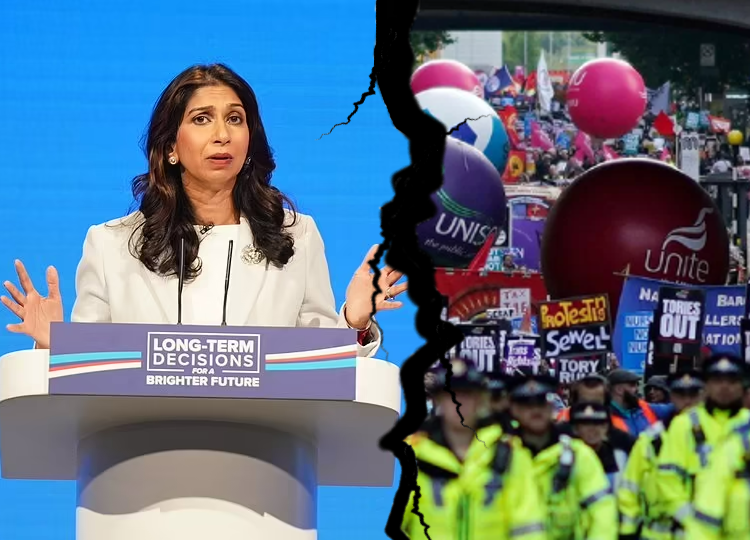
Tory Party Conference – Anti-Rights Rhetoric Revealed

In the wake of the Conservative Party Conference, a distillation of anti-human rights rhetoric and a clear proclivity towards populist diatribes has surfaced, underscoring a concerning trajectory set by the party. Notably, the party’s stance on issues such as transgender rights, migration, and environmental obligations have thrown them into the crucible of public scrutiny, particularly from human rights organisations and progressive advocates, but also some within the party itself.

The strong determination shown by key Tory members, like Rishi Sunak and Suella Braverman, in confirming their anti-trans and anti-immigrant feelings shows a steadfast dedication to populism at the cost of human rights. Mr. Sunak’s clear view on gender, which outright ignores the identities and dignity of trans and non-binary people, not only stirs division but also pushes the party further into a space of politics hostile to rights and even more into a corner which will be tough to leave. This disregard for trans rights, at least, was met with approval from some parts of the party, with Andrew Boff, a previous leader of the Tories in City Hall, being kicked out of the conference after heckling the Home Secretary.

Diving further into the abyss of populism, Home Secretary Suella Braverman has not only supported stark anti-trans stances, including the contentious issue regarding transgender women’s access to women’s hospital wards (despite over 100 Freedom of Information Act requests showing not a single complaint in respect of this), but also displayed a marked animosity towards the LGBTQ+ community and migrants. The polarising posture adopted by the Conservative party has engendered tumult within its own ranks, evidenced by rising Conservative star, Ben Houchen, stating that he would not bet on his party winning the next election and over 50 conservative MPs now announcing they will stand down at the next election.

Moreover, as Alex Chalk, lord chancellor and justice secretary, heaped praise upon Britain’s legal system, Suella Braverman berated ‘Labour lawyers’ in an ever increasing attack on ‘lefty ideologies’ and implicated them in aiding and abetting ‘eco idiots’ and disrupting civic life. Showing clear disdain for human rights, the Home Secretaries 28 minute tirade included comments such as:

“Our country has become enmeshed in a dense net of international rules that were designed for another era. And it is Labour that turbocharged their impact by passing the misnamed Human Rights Act. I am surprised they didn’t call it the Criminal Rights Act.”

Going further, there was no attempt to hide the double standard employed by the Home Secretary in her previous benefit from human rights juxtaposed by her now clear disgust at such ideas:

“The wind of change that carried my own parents across the globe in the 20th century was a mere gust compared [with] the hurricane that is coming. Because today, the option of moving from a poorer country to a richer one is not just a dream for billions of people. It’s an entirely realistic prospect.”

Exposing the lack of a ‘company line’ on such topics, Justice Secretary Alex Chalk ended his speech expressing his pride in the UK commitment to international law, saying:

“Let us take pride in what our country has contributed – probably more than any other to the international rules-based order.”

This mix of populist talk and anti-human rights sentiment is not limited to issues of gender and legal practice. A wider scene reveals a worrying pattern crafted by the Tory government. The recent string of losses, including the foiled attempt to deport people to Rwanda for out-of-country processing and the high court rejecting the idea to allow agency staff to replace striking workers, highlights a blatant disregard for both international commitments and workers’ rights. Principles and laws which, to a large extent, were driven by conservative governments of the past, including Winston Churchill’s first term advocating for the European Convention and second term ratifying the Refugee Convention.In the environmental arena, despite the irrefutable urgencies underscored by climate scientists globally, the Conservative government has startlingly rolled back on their climate commitments. The issuance of new oil licenses in the North Sea starkly contrasts with global moves towards sustainability and demonstrates a willing detachment from environmental responsibilities at a critical juncture in the fight against climate change. With Ben Goldsmith, the chair of the Conservative Environment Network warning that:

“Any decision to backtrack in our efforts to tackle the greatest challenge of our time would be on the wrong side of history, and of the polls too. People of all political persuasions want immediate action. They want nature restored and the climate problem solved. They know that the solutions are cleaner, better and increasingly cheaper than the polluting industries which stand to benefit from continued inaction.”

These policies and views only seek to compliment the bombardment of the human rights flotilla seen recently, including the introduction of draconian statutes severely curtailing the right to protest, underpins a systematic erosion of civil liberties. Enshrined under the guise of maintaining order, these laws do little more than to mute the voices of dissent and stifling the bedrock of democratic dialogue. Almost poetically, this was seen in action with a coach of campaigners being stopped by the police due to there being:

“reason to believe they were going to disrupt the Tory party conference.”

Such stances adopted by the Tory government, especially amidst the backdrop of 13 years of rule—without the validation of national elections for the past two prime ministers—raises imperative questions about the future trajectory of the UK. It’s crucial to decipher whether these actions and pronouncements emanating from the Conservative Party Conference embody a genuine belief system or merely constitute a political machination designed to court a particular demographic in the run up to a course changing general election.

The burden now falls on human rights campaigners, legal practitioners, and progressive forces to shine a light on these destructive policies and form a united front that strongly challenges the Conservative’s populist strategies. A comprehensive mobilisation that intertwines grassroots activism with legal skill and international solidarity will be paramount in navigating through the storm of anti-human rights posturing, ensuring that the inherent dignity of every individual is preserved and protected amidst the political chaos.

The tableau that has emerged post-conference is more than a mere political posturing; it’s a stark reminder of the imperativeness to vehemently defend the principles that underpin a just and equitable society. In synthesising a collective response, there lies an opportunity to not only counteract the prevailing anti-human rights rhetoric but also to reimagine and reconstruct a narrative that places human rights, dignity, and environmental stewardship at the forefront of the UK’s political agenda.


Avaia Williams – Founder

This blog was published on 9 October 2023

Proposed Work Capability Assessment Changes Risk Leaving Disabled People Behind

Over the past decade, the United Kingdom has developed a poor track record when it comes to disabled people’s rights and welfare. A 2016 UN inquiry found that welfare reforms have led to “grave and systematic violations” of disabled people’s rights and that changes to benefits “disproportionately affected” disabled people. Since this report, the progress has been described as disappointing.

One of the more recent set of proposed changes is outlined in the Health and Disability White Paper published by the government in March 2023. The paper suggests reforms to “help more disabled people and people with health conditions to start, stay and succeed in work”, partly inspired by the large number of vacancies companies have been recently reporting. While on the outside this may appear to be a positive change, there is a large debate over the effectiveness of the proposed reforms and the potential for causing harm, particularly those related to reforming the benefits system.

Currently the Work Capability Assessment (“WCA”) is used to assess claimants’ ability to work and to find whether they are fit for work or place them into the Limited Capability for Work group (“LCW”) or the Limited Capability for Work and Work-Related Activity group (“LCWRA”). The LCW group requires that you make preparations for work whereas the LCWRA group currently does not have any such requirements for working or preparing for work. The groups protect claimants from being forced into work they cannot do or being sanctioned for not being able to meet the standard universal credit commitments and losing out on their benefits. The Work Capability Assessment process is gruelling, drawn out and tough and has been found to be damaging too many claimants’ mental health. One applicant reported that:

“The assessor wanted yes or no answers to various questions like ‘can you leave the house?’ I tried to explain that some days I can leave the house or answer the door, and other days it’s not possible because of my mental health, and the response from the assessor was ‘is that a yes or a no then? I came out of the assessment feeling let down, and not listened to, and later I made two attempts on my life. I’m still waiting for the result of my WCA.”

The Health and Disability White Paper intends to completely scrap the Work Capability Assessment, instead relying on the Personal Independence Payment (“PIP”) assessment to assess people’s ability to work. While this may come as welcome news at first, replacing two assessment processes with just one, the ‘simplification’ of this process and a search for efficiency may actually be more problematic.

In its current form, the PIP assessment evaluates different criteria to the WCA and is just another flawed, inhumane process. Between August 2018 and July 2023 in England and Wales, only 40% of new claims are given an award from the initial PIP assessment decision. The chart below shows the outcomes.

However, where the claimant appeals after the mandatory reconsideration, one in five appeals are “lapsed” where the initial decision is revised by the Department for Work and Pensions (DWP) in favour of the claimant before going to the tribunal. Once at the tribunal hearing, 80% have the initial decision overturned. This initial assessment is unreliable and unfit for purpose, so many decisions being revised or overturned is clear evidence of a system that is completely failing. The PIP assessment process has been described as being distressing, traumatic and often incorrect by a committee of MPs after their 18 month long investigation. There is also debate about how well the criteria reflect the difficulties disabled people face and how suitable they are, both as an assessment for PIP and as a replacement assessment to judge someone’s ability to work.

The additional monetary assistance for those in the LCWRA group would be replaced by a “health element” available only to those Universal Credit claimants who are receiving PIP. The Institute for Fiscal Studies estimated that 1 million people are currently in the Universal Credit health group but not in receipt of PIP or DLA. This is a considerable number of people who will lose the health element of Universal Credit (approximately £354 per month) unless they go through another gruelling health assessment in the form of PIP and are awarded it (likely leading to a massive influx of tribunal claims).

Crucially, the PIP assessment does not include the substantial risk clause where claimants who did not score enough points on the assessment may be treated as having LCW if, by reason of their health condition or disability, there would be substantial risk to the health of the claimant or others if they were not found to have LCW. 14.6% of new claims being awarded LCWRA are due to this clause. The PIP assessment has no allowance for substantial risk which may lead to LCWRA claimants being found ineligible for the health element. In addition the government are currently holding a consultation in which they intend to amend or remove the LCWRA risk criteria as the risk regulations are “no longer meeting the original intent to be applied only in exceptional circumstances”. This will result in a large amount of disabled people who have relied on the LCWRA monetary element potentially being ineligible to receive it and instead being found fit for work and forced into work activities, which may be inappropriate or harmful to them, or risk being sanctioned.

Under the new system, work-based requirements would be determined by a new “personalised health conditionality approach” decided by individual DWP work coaches. Mandating that disabled peoples abilities and needs are decided by work coaches, individuals without any medical background, is entirely absurd. It is extremely unlikely that Jobcentre work coaches will have the required training, knowledge and experience to determine what requirements are suitable for the sheer range of health conditions which impact people claiming universal credit. Even within these health conditions there can be a huge range in their specific effects. This approach would be unreliable and irregular and risk claimants facing sanctions, being forced into inappropriate work, or losing their benefits based on the opinion of unqualified work coaches.

The United Kingdom agreed to the United Nations Convention on the Rights of Persons with Disabilities in 2009, in which it agreed to protect and promote the human rights of disabled people. This includes Article 19 which states:

“States Parties to this Convention recognize the equal right of all persons with disabilities to live in the community, with choices equal to others, and shall take effective and appropriate measures to facilitate full enjoyment by persons with disabilities of this right and their full inclusion and participation in the community…”

It also states in Article 28 that State Parties will recognise the rights of disabled people to have

“an adequate standard of living for themselves and their families, including adequate food, clothing and housing, and to the continuous improvement of living conditions, and shall take appropriate steps to safeguard and promote the realization of this right without discrimination on the basis of disability. States Parties recognize the right of persons with disabilities to social protection and to the enjoyment of that right without discrimination on the basis of disability…”

The proposed welfare changes, in their current form, do not conform to these rights under the UN Convention and risk worsening the welfare of disabled people, particularly those on or below the poverty line. The implementation of this White Paper is surely to lead to a flurry of human rights challenges that are likely to be held against the Government.


Hannah Luxton – Writer

This blog was published on 1 October 2023

The Impact Of Article 3 On Detained Mental Health Patients

Restraints used in UK Asylums from 1700 to 1930 – Science Museum

Introduction

Prior to internationally ratified and understood human rights, the inpatient treatment of those with mental health difficulties (“MHD”) was often barbaric and cruel, with a significant biological focus. Treatment has now advanced, and more importantly, the rights of those receiving treatment has been recognised through many international instruments, including the EU and UN Conventions Against Torture, the International Covenant on Civil and Political Rights, the Convention on the Rights of Persons with Disabilities, and the focus of this blog, Article 3 of the European Convention on Human Rights, though, it is important to note that several other international laws afford and protect this same right.

I will be looking at the achievements of Article 3, but more so the arbitrary, confusing, and discriminatory way the courts apply it in the context of those with MHD. Particular, I will be analysing the court’s decision in Munjaz v Ashworth Hospital.

Principles of Article 3

Article 3 is the only absolute right under the convention as there is no provision for derogation regardless of circumstance. Due to this, a severity threshold exists in respect of breaches to the right, in Pretty v UK the court stated this minimum level of severity:

“involves actual bodily injury or intense physical or mental suffering. Where treatment humiliates or debases an individual showing a lack of respect for, or diminishing, his or her human dignity or arouses feelings of fear, anguish or inferiority.”

The European Court enshrined a distinction between torture and inhuman and degrading treatment. In Ireland v UK, multiple detainees were subject to interrogation which included stress positions, ‘hooding’, and deprivation of sleep. The court stated this treatment did not reach the severity of torture, and held that:

“this distinction derives principally from a difference in the intensity of the suffering”

A ruling that makes this more complicated is Kalashnikov v Russia, where the court stated that severity:

“depends on all the circumstances of the case, such as the duration of the treatment, its physical and mental effects and, in some cases, the sex, age and state of health of the victim”

This ruling effectively adds an element of relativity to Article 3, in that the subjective circumstances will affect whether or not it is breached. This relativity element is not necessarily a negative for those with MHD as the courts have stressed such patients are more vulnerable. In Parascineti v Romania the court stated:

“people with mental disorders are more likely to feel inferior and helpless […] increased vigilance is required in monitoring compliance with the Convention”

Application of These Principles

In applying the foundation principles of Article 3, the ECtHR have established strong caselaw that has, over the years, protected and bolstered the rights of those who have been detained due to MHD. In Keenan v UK, the court held that the rights of a prisoner suffering with schizophrenia were violated when, due to a lack of monitoring, disproportionate punishment, and ineffective medical assessment and treatment, the prisoner took his own life. This judgment has had a significant impact on mental healthcare, and made clear that inadequate mental health treatment can breach Article 3. This principle has now been echoed throughout domestic caselaw and was upheld in R (S) v SSHD:

‘‘The implications of Keenan […]  are clear […] there must be in place effective monitoring of the detainee and the obtaining of suitable expert advice as to how that person should be dealt with and treated.”

Another case which has had a significant and somewhat controversial impact is Kaprykowski. The applicant was detained on multiple occasions in psychiatric units. During one detention, he was administered an expensive drug which improved his symptoms but was later transferred to another hospital who exchanged his medication for a generic version which worsened his condition. The court noted:

“that the change to generic drugs resulted in an increase in the number of his daily seizures and made their effects more severe and as such contributed to the applicant’s increased feeling of anguish and physical suffering.”

The court held that this contributed to the inadequate medical care, and thus held the state to be in breach of Article 3. Though this does not hold that a patient must be prescribed the best or more expensive drugs if they help, it does seem to imply that preventing a patient from taking such drugs could breach Article 3. This may impose a quasi-positive obligation on the state to ensure certain medications are available, which almost certainly contradicts the court’s ruling in Nitecki v Poland to not impose unfair financial burdens on states.

The ECtHR also has a strong persuasive power. In Nevmerzhitsky the court relied on a lack of medical records to record a finding of torture in respect of force feeding the applicant. It considered that the absence of records showing necessity of treatment must imply that the treatment was therefore not necessary. Whilst the court did not find an obligation for a hospital to maintain good records, it will undoubtedly have led to states adopting rigorous procedures surrounding the recording of treatments.

Munjaz: A U-turn on Article 3?

Article 3 has provided important rights and protections to mental health inpatients; however, it also has significant deficiencies and oversights which can be evidenced by the Munjaz case.

Ashworth hospital had implemented a seclusion policy that departed from national guidance issued by the government under s.118 of the Mental Health Act 1983. The applicant was secluded on multiple occasions under the policy and brought judicial review on whether the hospital had acted against the law in implementing it. The key difference in Ashworth’s policy was that they allowed for significantly longer periods between reviewing the seclusion of a patient.

The court recognised that seclusion was capable of breaching Article 3, however, stated the risk of such a breach occurring due to Ashworth’s policy was low. It was therefore ruled that the policy was not in breach. Lord Steyn delivered a powerful dissenting judgment in which he stated:

‘‘If Ashworth Hospital is permitted in its discretion to reject the Code […] it will be open to other hospitals to do so too […] the judgment of the majority of the House permits a lowering of the protection offered by the law to mentally disordered patients […] the decision today is a set-back for a modern and just mental health law.”

In effect the court qualified the right and allowed for those who are considered more dangerous to be treated worse than those at lower security hospitals. Potentially raising questions under Article 14, as the reason for allowing the departure was based on the patients’ MHD. Stephanie Palmer argues that the Lords analysis is confusing, and goes so far as to state that Lord Hope’s comments are misleading. She argues that the Lords gave insufficient weight to the vulnerability of detained patients, and great weight to the fact that there was no evidence of psychological damage to the patients at the time. Whilst Palmer raises these points from a proportionality basis, they are also relevant to this discussion as they suggest the House ignored two of the foundational ECtHR judgments discussed earlier, Parascineti and Keenan. The issues Palmer raises are now permeating into practice, with Martin Curtice arguing:

“proportionality now appears to be being used in assessing the standard of medical care.”

The Ashworth decision, and the position on seclusion in the UK with regards to high security patients in general, was recently raised by the Committee Against Torture. The Committee stated they have:

“serious misgivings about the measure of long-term segregation as currently applied in the high secure hospitals.”

The fact that the Committee (a body which is intrinsically linked to the Convention) are so concerned about seclusion, yet the ECtHR are not, furthers the confusion and only reinforces the inference that the court derides those with mental health difficulties.

From a legal perspective, mental health inpatients are treated more akin to prisoners than they are traditional medical patients. Jonathan Bindman has stated of this that:

“Some judgements may strike present-day clinicians not so much as protecting patients’ rights but as permitting undesirable practices”

Bindman notes that Article 5(1)(e) of the convention lists those with MHD alongside ‘drug addicts’, ‘vagrants’, and those who ‘spread disease’. The very nature of this reflects the beliefs of society during the time the ECHR was drafted. These thoughts and beliefs have now perpetuated into domestic law. Ensuring legislation and decisions are compatible with human rights is a start, however, when those rights themselves are flawed, and the basis for the rights allow for mistreatment, then no amount of judicial intervention will solve the problem. Bindman expresses this by recognising that declaring an Act compatible with the Convention is consequently “not a difficult test to meet.”

Discrimination Contextualised

The discrimination explored under the former heading can be best understood by comparing two deportation cases.

In Chahal v UK, the ECtHR reinforced the absolute nature of Article 3 by holding that the terrorist activities of the applicant were irrelevant factors, and that so long as the applicant was at risk of torture, then his deportation would breach Article 3. The domestic courts have taken this positive treatment further and have released terror suspects due to the detention having serious effects on their mental health (G v SSHD (Bail Application)).

The decision in Bensaid v UK is therefore extremely confusing in light of Chahal, and indeed all prior jurisprudence explored in this essay. Bensaid suffered from severe schizophrenia and argued against a deportation decision as, if he were deported, he would no longer have access to medication, access to a hospital would be infeasible, and his condition would certainly worsen. The court took a harsh view on the case, going so far as to point out that the applicant’s arguments were “to a large extent speculative.”

a point which is silently manifest in practically every judicial decision regarding deportation. The fact that the court pointed this out shows an almost disdain for the applicant, and the discriminating distinction between those with MHD and others.

The difference between these two cases is that one applicant would be at risk of ‘torture’, the other at risk of ‘inhuman and degrading treatment’. The courts have made a distinction between these two forms of treatment, however, in Bensaid, they recognised that either would be a barrier to deportation. The reason for the different rulings is therefore perplexing. The arbitrary distinction between the two forms of treatment seems to have led to an injustice in Bensaid, a distinction still carried over today. This is despite accepted medical evidence that there is no difference in terms of psychological damage between torture and inhuman and degrading treatment, as well as evidence that negative treatment of mental health inpatients can produce the same effects as torture. Even more confusing is that Bensaid was appealed to the ECtHR by the UK Government, however, the ruling in G was simply accepted when the SIAC held that detaining G would breach Article 3. This arbitrary application and confusing interpretation of the law has left detainees, lawyers, and the courts in a state of uncertainty regarding the rights protected under Article 3; moreover, it has shown a clear disfavour of applicants with mental health difficulties.

Conclusion

I would submit that it is not an outrageous claim to argue that the ECtHR have wilfully and continually treated applicants worse where their application is based on deterioration to mental health. I would also consider it fair to argue that the courts have a worrying lack of understanding about the effects of treatment which could fall under Article 3. Finally, the distinction between torture and inhuman and degrading treatment is a helpless one at best.

Human rights have afforded protections for those with MHD; however, these protections are far from equal to those afforded to others. Medical expertise, societal understanding, and judicial and legal application must come together to ensure equal and consistent protections for mental health patients. The overarching treaty must also be reviewed in light of these factors in the same way that other such legislation is, such as the Mental Health Acts. Without such review, any law created in the light of the ECHR will be inherently tainted.


Avaia Williams – Founder

This blog was published on 13 September 2023
The Quiet Revolution – Should Jurors Defy The Law?

Plaque at The Old Bailey commemorating ‘Bushell’s Case’

When the rule of law and the conscience of society collide, jury nullification, also known as a perverse verdict, emerges as a dramatic manifestation of this clash. At its core, jury nullification occurs when jurors acquit a defendant, even if they believe he or she is guilty as charged under the black letter of the law, due to their disagreement with the law itself or how it has been applied in a particular case. It’s the jury’s way of saying, “This prosecution should not have happened.”

One of the most famous examples of jury nullification is the case of Clive Ponting. In 1985, Ponting, a senior civil servant in the Ministry of Defence, leaked information to an MP about the sinking of the Argentine warship, the General Belgrano, during the Falklands War, information which contradicted the ‘official story’ at the time. Even though he confessed to the act, which was a clear breach of the Official Secrets Act 1911, the jury acquitted him. They believed his act was in the public interest, they believed his act was morally right and for the benefit of society, showcasing how jury nullification can play out when societal beliefs and moral conscience overpower the law.

Jury nullification is a double-edged sword. On one hand, it can be seen as an essential safety valve, allowing jurors to correct perceived injustices and wrongful applications of law. It’s a system of checks and balances, ensuring that the law remains aligned with prevailing societal values. On the other hand, it might undermine the rule of law and could lead to inconsistency in verdicts. If every jury can interpret the morality of the law differently, doesn’t that destabilise the legal system?

The counter-argument is that jury nullification acts as an essential feedback mechanism. If it happens frequently, it might indicate that a law is out of step with societal values and needs re-evaluation, it might actually encourage Parliament to act or show the CPS that this is not an area where prosecutions should be brought.

Controlling or regulating jury nullification would be a challenging proposition. A historical cornerstone in this debate is Bushell’s Case of 1670. The case arose from the trial of William Penn, who was accused of preaching a Quaker sermon, which was a crime at that time. The jury refused to convict him, they ruled that he was not guilty of an offence in defiance of the clear law, as a result, they were imprisonment without food. On appeal via writ of Habeus Corpus, it was held that a jury could not be punished for their verdict, that a jury could give a verdict according to their convictions. This landmark case established the fundamental principle that juries must be free and their decisions, even if seen as erroneous by some, should stand.

Introducing regulation would mean treading on this sacred ground. Moreover, it could potentially mean that jury deliberations would have to be entered into evidence. This presents a worrying dimension. The sanctity of the jury room is a tenet of the justice system; breaking it open would not only violate the privacy of the jurors but could also deter honest, open discussion among them. If jurors fear their discussions may be dissected and judged post-trial, they might become less candid, harming the essence of the deliberative process.

If the CPS or any prosecuting entity had the right to appeal a not-guilty verdict, it would erode the defendant’s protection against double jeopardy – being tried twice for the same crime. This would have a myriad consequences, potentially clogging the judicial system and increasing mistrust in its processes, but also bringing the law overall into chaos, resulting in a significantly politicised justice system.

While jury nullification’s spontaneous occurrence is a powerful statement, should we take a step further? What if juries were informed about their right to nullify and were legally permitted to do so when they felt a prosecution was against societal morals and beliefs?

In essence, this would mean transforming a currently covert power of the jury into an overt one. It would be a direct acknowledgment that law, at times, can be unjust or misapplied, and that society, through its jurors, has a right to voice its disagreement. It’s a radical idea but one that has its merits. For one, it makes the legal system more transparent. It recognises the vital role of jurors as representatives of societal conscience. More so, it might also act as a deterrent against questionable prosecutions.

However, such a change would come with its challenges. Legal proceedings could become more unpredictable. It could place immense pressure on jurors, complicating their decision-making process.

A key critique of actively allowing jury nullification is that it could open the floodgates to a chaotic justice system. Jurors, with their diverse backgrounds, might inconsistently apply their personal beliefs, leading to unpredictable outcomes. However, it can be argued that the very diversity of a jury is its strength. Twelve jurors come together to deliberate, reflecting a broad spectrum of society. While one juror might hold extreme views, the collective wisdom of twelve is likely to bring balance. The likelihood of a descent into chaos is very unlikely. Now, that being said, it is important to recognise that jurors can go very rogue, for example, in the 1994 case of Stephen Young, where the jurors admitted using a Ouija Board to inform their verdict.

But, in the age of the internet, TV shows, and widespread media discussions, the concept of jury nullification is better known than ever. This awareness means that jurors are not walking into the courtroom oblivious, nor are jurors delicate beings who cannot be trusted with their own conscience, but rather they have a nuanced understanding of their potential power.

It would be a direct acknowledgment that law, at times, can be unjust or misapplied, and that society, through its jurors, has a right to voice its disagreement. While the proposal carries its challenges, it also offers a pathway to a more transparent legal system, reinforcing the vital role of jurors as representatives of societal conscience.

In a world where societal values are ever-evolving, jury nullification acts as a reminder that laws should be fluid, continually reassessed, and re-aligned with the beliefs of the people they serve. The legacy of Bushell’s case and the tenets of our judicial system provide a bulwark against infringing on this right. Recognising and possibly amplifying the role of jury nullification would empower our legal system to be more just, compassionate, and reflective of the society it serves.


Avaia Williams – Founder

This blog was published on 30 August 2023