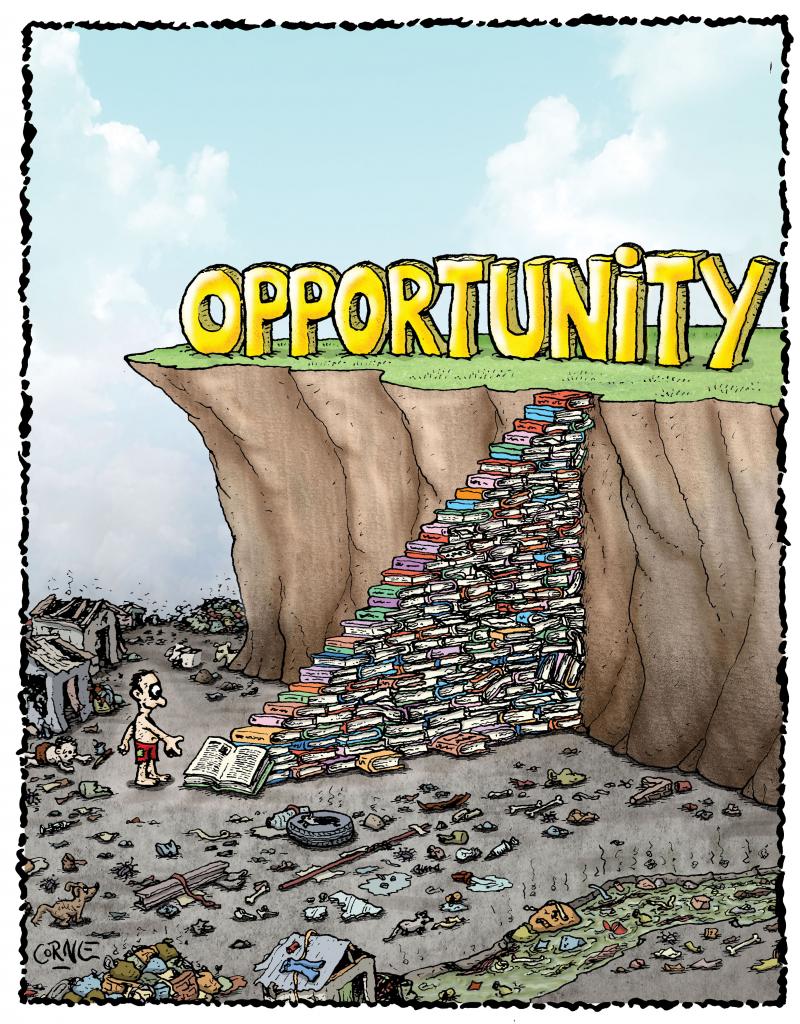
Human rights are the fundamental freedoms and protections to which every individual is entitled, regardless of their background or circumstances. While progress has been made in advancing human rights across the globe, numerous challenges continue to persist. One crucial avenue for promoting and protecting human rights is through education, particularly the education of young people. Education equips individuals with the knowledge, critical thinking skills, and empathy needed to champion human rights causes and effect positive change within the society they will shape.
Education is more than just the acquisition of knowledge; it is a powerful tool that empowers individuals to understand and defend their thoughts, feelings, and rights. By equipping individuals with the knowledge of their rights and the skills to articulate and advocate for them, education provides a platform for empowerment. It enables individuals to challenge discrimination, inequality, and social injustices. Moreover, education cultivates critical thinking abilities that allow people to question prevailing norms, challenge oppressive systems, and envision a more equitable society, preparing them to be the facilitators of the new generation of thinkers and agents of change.
Education plays a pivotal role in fostering tolerance and respect for diversity, key principles of human rights. Through exposure to different cultures, beliefs, perspectives, and historical atrocities, education promotes empathy and understanding. By teaching students about the importance of respecting and valuing the dignity of all individuals, regardless of their race, religion, gender, sexuality, disability, age, marriage status, or socio-economic background, education helps to break down barriers and prejudices. It encourages students to embrace diversity and cultivate inclusive mindsets, preparing them to be compassionate global citizens from an early age – Instilling these critical thought processes from an early age is vital to preventing entrenched prejudice later in life.
Education serves as a potent weapon in combating discrimination and inequality. It empowers individuals to challenge discriminatory practices, policies, and attitudes. By promoting equal access to education for all, regardless of their social or economic status, education becomes a catalyst for positive social change. It provides opportunities for marginalised, minority, and misunderstood communities and helps break the cycle of poverty, exclusion, and discrimination. Moreover, education that highlights the experiences and struggles of historically marginalised groups helps to create awareness and dismantle systemic discrimination.
Integrating human rights education into the curriculum is not only crucial but also practical for fostering a culture that respects and upholds human rights. By incorporating human rights principles and values into various subjects, schools can provide students with the necessary tools to become advocates for human rights. For example, in social studies, citizenship, and history classes, students can learn about the Universal Declaration of Human Rights, UN Convention on the Rights of Children, ECHR, study historical human rights movements, and analyse real-world examples of human rights violations. Literature and language arts classes can explore works that highlight themes of social justice and equality or focus on works which have been censored or created from a system of oppression such as the Diary of Anne Frank, sparking discussions on human rights issues. Science classes can examine ethical considerations surrounding scientific advancements and their impact on human rights. Mathematics classes can delve into statistical analyses of inequalities and disparities, fostering critical thinking about social and economic rights. By infusing human rights education across disciplines, schools can create an integrated and comprehensive approach that empowers students to understand, analyse, and address human rights challenges in their communities and beyond and make these issues a part of the normal and everyday conversation, rather than the occasional issue.
Teaching young people about human rights principles from a young age is crucial. Childhood and adolescence are formative periods where attitudes, values, and beliefs are shaped. By introducing human rights concepts early on, we can instil in young minds the understanding that every individual has inherent dignity and deserves equal rights and respect. It helps them develop a strong moral compass and empathy for others, fostering a culture of tolerance, inclusion, and social cohesion.
Young people are the future leaders, policymakers, and advocates of our world. By educating them about human rights, we empower them to become agents of change, actively working towards a more just and equitable future and we encourage the shaping of a society that best benefits all. When young people are aware of their rights and understand the importance of respecting the rights of others, they are more likely to challenge injustices and contribute to positive societal transformations. They become the driving force behind progress in areas such as gender equality, racial justice, environmental sustainability, and much more.
Furthermore, teaching human rights from a young age helps prevent the perpetuation of discrimination and prejudice. It equips young people with the tools to critically examine societal norms, challenge stereotypes, and confront biases. By promoting inclusivity and respect for diversity, human rights education lays the foundation for a society where all individuals can thrive and contribute their unique perspectives and talents.
In a rapidly changing world, where human rights issues persist and new challenges emerge, it is crucial that young people are prepared to navigate complex ethical dilemmas and actively engage in shaping a more just society. By instilling a deep understanding of human rights principles, we equip young people with the necessary skills to become compassionate leaders, capable of building bridges, fostering dialogue, and advocating for the rights of all individuals.
Education is a catalyst for change, offering individuals the knowledge, skills, and empathy needed to champion human rights. By empowering individuals, fostering tolerance and respect, combating discrimination, and integrating human rights education in schools, we can create a society that upholds and protects human rights. As we strive for a more just and equitable world, investing in education becomes paramount. We must recognise the transformative power of education and work collectively to ensure that every individual has the opportunity to learn, grow, and contribute to the realization of a world where human rights are upheld and valued by all.
Part of the Vision of the NRI is a world where all people have a comprehensive understanding of their rights and liberties, the legal system and principles of justice. This starts with the education of our youth.

Avaia Williams – Founder
This blog was published on 17 June 2023
 Nightingale Rights Initiative
Admirably and nobly written but until those qualities are applied in countries like Saudi Arabia, China etc.. then we are unlikely to (in my lifetime at least) see a peaceful and equal world. But that doesn’t mean we give those despots, tyrants and warmongers a free rein. And as long as there are good people and good and truthful political leaders off this world (a rarity in itself) and men such as you, then there is always hope.
LikeLiked by 1 person