(Left) Lucy Letby being arrested; (Right) David Hicks being escorted to Guantanamo Bay
The decision of one of the country’s most callous serial killers, Lucy Letby, to not attend her sentencing following being found guilty of the murder of seven vulnerable babies on a neonatal ward and the attempted murder of six others (one of whom she attempted to kill one two occasions resulting in two charges) has re-ignited a significant debate.
In June, the killers of nine-year-old Olivia Pratt-Korbel refused to attend their sentencing, this led to the new Justice Secretary, Alex Chalk KC, to respond stating:
““I am pleased to be able to say that we are committed to bringing forward legislation to enable offenders to be compelled to attend their sentencing hearing. Offenders who rob innocence, betray lives and shatter families should be required to face the consequences of their actions and hear society’s condemnation expressed through the sentencing remarks of the judge.”
The recent refusal of Lucy Letby has only furthered and produced widespread support for a change in the law, a sentiment which is being strongly echoed both in the media and within the public sphere online and in person. The vile nature of these acts has provoked such a deep emotional response in many, that considerations for the wider perspective has been lost, whilst this is understandable, we must not allow these vehemently vile acts to lead a rushed charge to altering the law and removing the rights of all defendants in response to the cowardice of the few. It’s crucial to approach this topic with a comprehensive understanding of the larger picture and the implications of forcibly bringing defendants into court.
The current position regarding the refusal of defendants to attend their sentencing is addressed within CPS Guidance which outlines procedures to be followed. The guidance seeks to ascertain the reasons behind the non-attendance and provides the possibility of proceeding via video link. Further, the Guidance points out that it is the court and not the prosecution that communicates with the prison to determine the necessity of the defendant’s attendance. Yet, as emphasised by Mr Justice Goss in the Letby Case, “The court has no power to force her to attend.”.
Wanting to force defendants to court to face the music, to face the sentence, and more importantly to face those whose lives they have impacted and destroyed, is an understandable desire and, as the Secret Barrister points out:
“Murderers such as Lucy Letby should publicly face the consequences of their actions. On that, everybody is agreed. But achieving this is nowhere near as simple as politicians are pretending.”
“Once again, the drawbacks of policy being drawn by people with no experience of the criminal justice system, and no interest in speaking to those who have it, are all too obvious. Because I can tell you from extensive experience that somebody intent on disrupting court proceedings will generally find a way. Raab’s plan, far from guaranteeing an obedient and contrite defendant sitting meekly in the dock, is far more likely to encourage the hideous spectacle of a wild, bloodied and bruised prisoner shouting foul abuse at the victims’ families in court as a mechanism to have the judge send them back down to the cells. Even on a lower level of non-compliance, the vision of a defendant sitting in the dock with his eyes closed and fingers performatively in his ears, or smirking remorselessly as the victims read out their personal statements, is stomach-churning. But, unless the policy is to involve gagging, binding and propping up eyelids with matchsticks, it is also practically impossible to eliminate.”
“I’m not entirely sure that they [victims & their families] would necessarily like what would happen if she were forced into the dock. If we take a step back from her for a moment, and just imagine what could happen in any case where you force someone into the dock…you can imagine circumstances where someone hijacks the case effectively by talking at length and loudly about how innocent they are, about how the juries’ got it all wrong, and disrupting proceedings, or even by crying very loudly and making themselves the centre of attention when the attention really needs to be elsewhere.”
“The last thing that you would want to do is to run the risk of reducing it to some sort of circus.”
We must then, unlike many commentators and particularly politicians, consider the practical side, if a defendant resists or reacts aggressively, how far are we willing to go to ensure compliance? How much are we willing to harm, injure and maim a defendant so that the victims can see the defendant sentenced. Richard Madeley has, in a very black and white manner, suggested that:
“…that’s why you go in mob handed, and frankly you have tasers to deal with people like that and you have truncheons and you have hand guns.”
But where do we draw the line between enforcing attendance and safeguarding human rights? Because, though many would like to ignore this fact, and many more would like to see them removed, defendants and prisons do and MUST have rights. As I have written before on this blog, it is the rights of those who we most dislike, hate, disagree with and consider the absolute worst of society, whose rights must be protected above all else.
Forcibly bringing a defendant to court could violate their right to liberty and security. Moreover, if force or intimidation tactics are used to ensure their presence, this may infringe upon their right not to be subjected to torture or inhuman or degrading treatment. Again, many will look at that and not care, many would look at that and say “good, it’s what they deserve”, but it’s a slippery slope, and it’s crucial to balance the demand for justice with the principles that uphold the sanctity of human rights – Yes, even the human rights of those who so many wish did not have them.
While it’s understandable to seek the presence of defendants during their sentencing, especially in high-profile cases that evoke such strong emotions, it’s paramount to adhere to the foundational principles of justice and human rights. Pressing ahead with legislation to enforce attendance might seem like a solution on the surface. Yet, as Joshua Rozenberg poses when asking ourselves why this has become the focus of this case:
“Is it because some believe that one more day in court will make more of an impact on her than 10 months in the dock? Do they think she will otherwise never find out what her victims families and the judge say…Or is it because we project our own feelings on someone who behaves in such an unnatural way, imagining she will suffer more from a day in court than a life in prison? Her choice not to attend is the last decision she will ever make about where she spends her time. In the years to come, perhaps she will learn to regret it”
Before we rush to make legal amendments, it’s crucial to think of the broader implications, ensuring that the pursuit of justice doesn’t inadvertently compromise the rights of individuals, no matter how heinous their crimes or how vile they are.
Having worked as a criminal law paralegal in the past, a question I am still frequently being asked is, “how can you assist criminals?” On numerous occasions, I have attempted to explain and emphasise the presumption of innocence, that one is considered to be innocent until proven guilty and that everyone is entitled to be represented and have their day in court. In fact, these concepts are safeguarded both in the European Convention on Human Rights under Article 6 which states:
“In the determination of his civil rights and obligations or of any criminal charge against him, everyone is entitled to a fair and public hearing within a reasonable time by an independent and impartial tribunal established by law. Everyone charged with a criminal offence shall be presumed innocent until proved guilty according to law. Everyone charged with a criminal offence has the following minimum rights: … (b) to have adequate time and facilities for the preparation of his defence; (c) to defend himself in person or through legal assistance of his own choosing or, if he has not sufficient means to pay for legal assistance, to be given it free when the interests of justice so require”
Everyone charged with a penal offence has the right to be presumed innocent until proved guilty according to law in a public trial at which he has had all the guarantees necessary for his defence.
The presumption of innocence
The presumption of innocence is a fundamental legal principle that lies at the heart of justice systems worldwide. It asserts that an individual accused of a crime is considered innocent until proven guilty in a court of law through a fair and impartial trial., usually determined by a jury of that persons peers. This principle ensures that the burden of proof rests on the prosecution (who represent the state) to present compelling evidence demonstrating the accused’s guilt beyond reasonable doubt. In simpler terms, it is for the prosecution to prove that a defendant is guilty and not for the defendant to prove that he is innocent.
By upholding the presumption of innocence, societies uphold the dignity and rights of individuals, preventing rushed judgments and protecting against the potential for wrongful convictions. This principle serves as a cornerstone of a just and equitable legal process, reaffirming the notion that everyone is entitled to a fair trial and should not be treated as guilty before proven so. As Blackstone’s Ratio suggests:
“the law holds that it is better that 10 guilty persons escape, than that 1 innocent suffer”
The essence of justice
At its core, the right to representation before the courts embodies the principles of justice and fairness. It ensures that individuals have the opportunity to present their case, respond to allegations and make legal arguments effectively. Without proper representation, individuals might struggle to comprehend legal complexities, navigate procedural intricacies or articulate their positions adequately. This could lead to unequal outcomes, where some parties are disproportionately disadvantaged due to their lack of legal expertise or resources.
Moreover, legal representation provides a check against potential miscarriages of justice. Legal professionals help uncover evidence, challenge flawed arguments and hold the opposing side accountable, contributing to a more balanced and reliable legal process. This serves not only the interests of the individual but also the broader public by upholding the integrity of the legal system.
A defence lawyer is not simply defending a potentially guilty person, they are defending these principles of justice. Not only does this defence prevent innocent individuals being convicted, but it ensures that those who are in fact guilty have a fair trial so that there is then less risk of any appeal for impropriety.
Equality and access to justice
The right to representation before the courts is closely tied to the principle of equality under the law. It ensures that individuals from all walks of life have equal access to justice, irrespective of their economic status, race, gender or any other characteristic. When individuals are denied proper representation due to financial constraints or other barriers, the promise of equal justice becomes an illusion which often impacts those from minoritised backgrounds first.
To address this issue, many legal systems offer mechanisms to provide legal aid or pro bono services for those who cannot afford representation. However, ongoing efforts are needed to ensure that these initiatives are effective and accessible to those who need them the most. This is essential for upholding the democratic ideals of fairness and ensuring that the legal system does not perpetuate societal inequalities. Though essential, this principle has been decimated over the past decade in the UK since the inception of the Legal Aid, Sentencing and Punishment of Offenders Act 2012
Conclusion
The right to be represented before the courts is a fundamental pillar of justice along with the values of equality, fairness and accountability. It empowers individuals to navigate the legal landscape confidently, safeguarding their rights and ensuring that justice is not a privilege reserved for the few, but a right available to all. As societies continue to evolve, it remains crucial to uphold and strengthen this right, ensuring that the scales of justice remain balanced and true.
In an era where technological advancements continuously redefine the parameters of modern warfare, drones—more formally known as Unmanned Aerial Vehicles (UAVs)—have taken centre stage. These remotely piloted machines, once mere novelties in the expansive arsenal of military powers, have rapidly become indispensable tools in both surveillance and combat. However, with this increasing reliance on UAVs comes a labyrinth of ethical quandaries. How do we navigate the murky waters between innovative military strategy and the sacred tenets of human rights? The drone’s eye view, unblinking and precise, has changed the topography of conflict zones, but at what cost to the principles that underpin our shared humanity? This piece delves into the profound human rights implications brought to the fore by our burgeoning dependence on drones.
The history of drones, or Unmanned Aerial Vehicles (UAVs), can be traced back to the World Wars when they were primarily used for surveillance purposes. During World War I, early versions of drones were deployed by the military as training tools for antiaircraft gunners. However, it was during the World War II era that their potential for surveillance was recognised, with the deployment of radio-controlled aircraft for reconnaissance missions. As wars evolved and the need for intelligence grew, so did the role of drones, transitioning from mere observation tools to active participants in combat. By the time of the Vietnam War, UAVs like the Lightning Bug were conducting surveillance and reconnaissance over North Vietnam. The technological evolution was rapid. From bulky, rudimentary devices, drones evolved into sleek, advanced machines equipped with cutting-edge surveillance equipment and lethal weaponry.
By the late 20th and early 21st centuries, the military capabilities of drones expanded dramatically, making them pivotal assets in modern warfare. The Predator drone, for instance, initially a surveillance aircraft, was later armed with Hellfire missiles, revolutionising its role in combat. This evolution was accompanied by an astonishing simplification in their operation. Contemporary drones, with their advanced satellite and GPS technologies, can now be operated remotely from thousands of miles away using interfaces as common as laptops or even Xbox controllers. This ease of operation, combined with their efficiency, has led to their widespread adoption.
Today, major powers, like the UK, have integrated a diverse range of drones into their defence systems. The UK’s military drone arsenal includes the likes of the Watchkeeper WK450 for reconnaissance and the more formidable MQ-9 Reaper, designed for both surveillance and attack missions. While exact numbers remain classified, it’s evident that the number of drones in operation has surged, with big power countries investing heavily in these unmanned systems. Their popularity underscores not only the advances in drone technology but also the changing face of warfare in the digital age.Top of Form
In the landscape of modern warfare, drones have emerged as invaluable assets, revolutionising how battles are strategised and executed. Among their perceived benefits is the ability to significantly reduce human casualties. By deploying drones in high-risk zones, militaries can diminish the need for boots on the ground, ensuring the safety of their personnel. Coupled with this is their efficiency in precision targeting. Armed with cutting-edge surveillance technology, drones can monitor vast territories and identify threats with unparalleled accuracy. This allows for surgical strikes, minimising collateral damage. Their capability for prolonged surveillance further intensifies their utility. Unlike manned aircraft that are limited by human endurance, drones can hover over areas of interest for extended periods, providing continuous intelligence. Additionally, from an economic standpoint, drones often represent a more cost-effective option compared to traditional combat aircraft, both in terms of acquisition and operational costs. Their adaptability, ranging from reconnaissance missions to active combat roles, underscores their multifaceted utility in contemporary conflicts. In essence, the ascent of drones in modern military arsenals is a testament to their myriad benefits, reshaping the paradigms of warfare.
The proliferation of drones in modern warfare brings with it a host of ethical dilemmas. One of the most pressing is the potential for indiscriminate missile attacks. While drones are lauded for their precision, the reality is that they’re not infallible. Technical failures, misjudgments, or flawed intelligence can lead to unintended civilian casualties, muddying the moral waters of their use. Further complicating the issue is the challenge of holding powerful states accountable for potential drone misuse. For instance, without comprehensive international redress mechanisms, many nations remain beyond reproach. The fact that the U.S., possibly the most significant drone user, is not a signatory to the International Criminal Court (ICC) highlights the vast gaps in global accountability frameworks. Beyond the immediate battlefield implications, there are profound psychological concerns for drone operators. Sitting miles away, operators view the world through a digital lens, often evoking the aesthetics of a video game. This detachment can inadvertently dehumanise targets, reducing real people to mere pixels on a screen, and thus making the act of deploying deadly force more palatable. Over time, the mental toll of such operations can manifest in operators, juxtaposing the everyday familiarity of their tools—a laptop or a joystick—with the gravity of their actions. The blurring of lines between virtuality and reality, combined with the profound consequences of their decisions, raises urgent questions about the long-term psychological effects on these operators and the broader ethical ramifications of drone warfare.
The progression towards pixelated targets in drone warfare and the resultant dehumanisation eerily inch us closer to the dystopian visions depicted in Black Mirror’s “Men Against Fire”. In the episode, technology distorts the perception of the enemy into monstrous figures, abstracting the reality of war. This abstraction, whether through a neural implant or a drone’s screen, risks desensitising operators to the true gravity of their actions, making the once-unthinkable suddenly palatable.
The deployment of drones in conflict zones has created significant challenges in terms of compliance with international law and conventions. The principles of distinction and proportionality, core to the Geneva Conventions, mandate that combatants be distinguishable from civilians and that the harm caused to civilians and civilian property be proportional and not excessive in relation to the military advantage anticipated. However, drone strikes, especially in populated areas, often walk a thin line between tactical advantage and potential harm to civilians. Moreover, issues of sovereignty arise when drones are used in countries without the explicit consent of the governing body. This has brought forth debates on whether such actions violate the United Nations Charter’s prohibition on the use of force which states:
“All Members shall refrain in their international relations from the threat or use of force against the territorial integrity or political independence of any state, or in any other manner inconsistent with the Purposes of the United Nations.”
Article 3, common to all four Geneva Conventions, relates to the treatment of persons taking no active part in hostilities, ensuring that civilians and those hors de combat (out of the fight) due to detention, sickness, or wounds are treated humanely without any discrimination. The use of drones, if leading to indiscriminate civilian casualties, is likely to violate this provision.
The Fourth Geneva Convention specifically protects civilians, with its entire emphasis being on the protection of individuals not participating in hostilities. Article 27 mandates that protected persons are treated humanely at all times and are protected against acts of violence, threats, and insults, among other things. Though, Article 27 does go on to state:
“the Parties to the conflict may take such measures of control and security in regard to protected persons as may be necessary as a result of the war.”
Protocol I (relevant to international armed conflicts) elaborates on the protection of civilians. Article 51 prohibits indiscriminate attacks and ensures the protection of the civilian population and individual civilians from the dangers of military operations. It states that:
“The civilian population as such, as well as individual civilians, shall not be the object of attack. Acts or threats of violence the primary purpose of which is to spread terror among the civilian population are prohibited.
Civilians shall enjoy the protection afforded by this Section, unless and for such time as they take a direct part in hostilities.
Indiscriminate attacks are prohibited. Indiscriminate attacks are: a) those which are not directed at a specific military objective; b) those which employ a method or means of combat which cannot be directed at a specific military objective; or c) those which employ a method or means of combat the effects of which cannot be limited as required by this Protocol;”
Article 57 of Protocol I outlines precautions in attack, requiring parties to do everything feasible to verify that objectives are neither civilians nor civilian objects and to take all feasible precautions to avoid, and in any event to minimise, incidental loss of civilian life.
One of the most contentious aspects of drone warfare is the development and utilisation of so-called ‘kill lists’. These lists, essentially databases of individuals deemed to be threats, authorise the targeted elimination of persons often without transparent criteria. The existence of these lists raises profound human rights questions. Primarily, the very act of pre-determining targets bypasses the principles of due process and judicial oversight, principles enshrined in many democratic systems. Individuals are condemned without the right to defend themselves, without a trial, and without any public justification, creating an atmosphere of unchecked power and potential misuse.
Rachel Alberstadt elucidates this very conundrum in her incisive analysis. She writes:
“States that employ drones to target individuals under the guise of the category of unlawful combatants usually do so under systematic elimination of these targets through the use of drones.”
Such systematic targeting by state policies, Alberstadt argues, aligns with:
“the criteria of Article 8 of the Rome Statute and results in the commission of war crimes.”
Furthermore, while the Geneva Conventions recognise civilians participating in armed conflicts without state authorisation as acting unlawfully, labeling them as “unlawful combatants” for targeted drone attacks effectively strips them of their civilian status. This is deeply concerning as it violates Article 8 (2) (a) (vi) which affords them the right to a fair trial. Additionally, Alberstadt points out that these policies might be construed as “intentional attacks against civilians” within the meaning of Article 8 (2) (b).
Beyond the immediate physical harm of drone strikes lies a more insidious impact: the psychological toll on communities living under the constant shadow of drone surveillance and warfare. In regions frequently targeted by drone strikes, entire generations have grown up with the omnipresent hum of drones overhead, resulting in a populace that’s perpetually “looking up”. The constant surveillance, paired with the ever-present threat of a sudden strike, has instilled profound fear, anxiety, and trauma in these communities. Children are conditioned to fear clear skies, often a precursor to drone activity. Societies are disrupted, with the norms of daily life upended by the hovering specter of remote warfare. This not only affects the mental well-being of individuals but can destabilise entire communities, sowing mistrust and fostering an environment of paranoia and fear.
In December 2013, a drone strike in Yemen’s al-Baitha province led to widespread international outrage. Acting on intelligence reports that identified a convoy as transporting al Qaeda militants, a U.S. drone targeted and struck the vehicles. Tragically, it was later revealed that the convoy was, in fact, a wedding party. As a result, 14 civilians were killed, 22 were injured, and among the deceased were two prominent tribal leaders of the province. A Yemeni national security official lamented, “This was a tragic mistake and comes at a very critical time. None of the killed was a wanted suspect by the Yemeni government.” Residents in the affected town of Radda called for an end to the drone strikes, with one eyewitness, Abdullah al-Kabra, despairingly noting that “More than 50 innocent civilians in our town have been killed by drones.”
A decade later, concerns over drone strikes are just as relevant with Britain’s targeted killing of Abu Hamza al-Shuhail. The RAF, in October 2022, carried out a “precision drone strike” in Syria, which resulted in the death of al-Shuhail, an arms dealer reportedly linked to the Islamic State. The Ministry of Defence (MoD) announced the attack over a month later, revealing that a Reaper drone, equipped with Hellfire missiles, had successfully targeted “a known terrorist in northern Syria.” Jennifer Gibson of Reprieve, a human rights charity, demanding transparency on the UK’s drone strike policies, stated this shows the UK are operating an extrajudicial targeting ‘kill list’ and asked “So what are its criteria for tracking and killing? How did it determine that this person was worthy of assassination? And why wasn’t parliament consulted or even informed?”
The trajectory of drone warfare is undeniably directed towards a future steeped in technological sophistication and greater automation. Advancements in drone technology are increasingly converging with artificial intelligence (AI), paving the way for autonomous drones. These drones, capable of executing missions with minimal human intervention, hold the promise—or threat—of reshaping the theatres of war. They can process vast amounts of data in real-time, make split-second decisions, and potentially reduce the risk of human error. However, this autonomy also raises grave ethical concerns, notably the responsibility and accountability for decisions made during combat by an AI.
As drone technology evolves, the international community faces the pressing task of adapting and enhancing regulatory frameworks. Given the implications of autonomous drones, there’s a burgeoning consensus on the need for a specific international convention—potentially under the auspices of the United Nations—that specifically addresses their use. Such a convention would aim to establish clear guidelines on the development, deployment, and use of autonomous drones in warfare, ensuring that fundamental human rights and principles of international law are upheld. In the face of rapidly advancing technology, the balance between leveraging innovation and ensuring ethical warfare will be a defining challenge of the coming decades.
The rise of drones in modern warfare is both a testament to technological advancement and a conundrum for ethics, law, and human rights. From their inception as surveillance vehicles to their modern-day capabilities of executing precision strikes, drones have revolutionised the dynamics of combat. Their advantages, while numerous, are shadowed by the profound human rights implications and the chilling potential of AI-infused autonomous operations. The international community finds itself at a crossroads, grappling with the urgency to delineate the bounds of drone warfare and safeguard the principles that underpin human dignity and justice. As we stand on the cusp of an era where warfare could be increasingly dominated by autonomous machines, it becomes imperative to continuously question, evaluate, and regulate their role, ensuring that humanity’s best interests are always at the forefront.
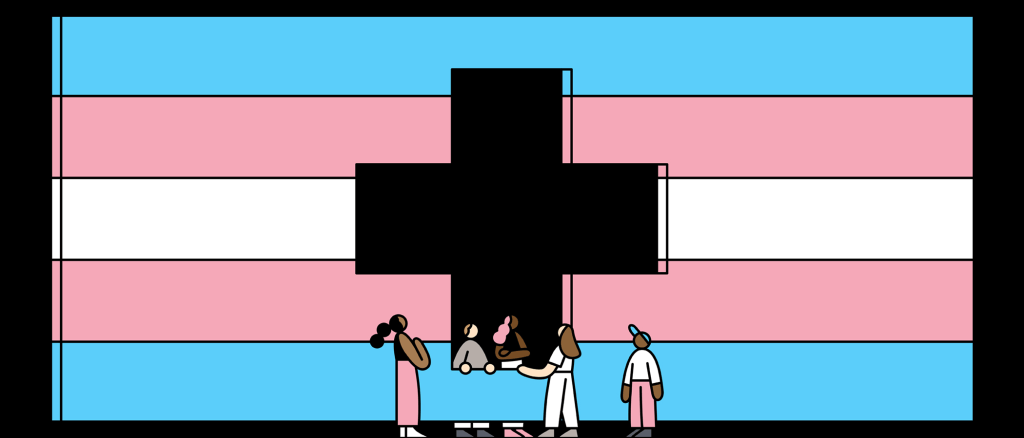
In the evolving landscape of rights, it is essential to navigate the challenging terrains of inclusion, gender, and healthcare. A recent article in The Telegraph highlighted the concerns of a patient named Teresa Steele, who requested care exclusively from medics sharing her biological sex. While her experience highlights the importance of patient centred care, it also raises an essential question: should patients be allowed to make demands based on the gender of their healthcare provider?
“(1) A person has the protected characteristic of gender reassignment if the person is proposing to undergo, is undergoing or has undergone a process (or part of a process) for the purpose of reassigning the person’s sex by changing physiological or other attributes of sex.”
clearly indicates that discrimination, be it on grounds of race, religion, gender, or any other protected characteristic, is inconsistent with the values underpinning the UK’s healthcare framework. Just as one is not entitled to choose the race of their healthcare provider, should one be entitled to select based on biological sex?
“No organ should be transplanted under a form of consent which seeks to impose restrictions on the class of recipient of the organ, including any restriction based on a recipient’s gender, race, colour, language, religion, political or other opinion, national or social origin, association with a national minority, property, birth or other status (including characteristics protected under the Equality Act 2010). This position reflects Article 14 of the European Convention on Human Rights”
The underlying message is clear: healthcare, at its core, should be free from biases and prejudices.
Potential Dangers of Patient-led Demands
Allowing patients to demand treatment from doctors of a particular biological sex opens a Pandora’s box of implications. For one, it’s often the case that the best-suited medical professional for a particular treatment or procedure is of a certain gender or background. What then? Does the request override the need for expert medical care? Or do we just accept that patients request and knowingly give them care less than what could be offered?
Consider an emergency scenario where a transgender surgeon is the most qualified to conduct life-saving surgery. Would the patient’s request jeopardise the patient’s health, or would the urgency of the situation override it? Furthermore, what does “involved in care” encompass? Should a transgender expert refrain from giving their medical opinion merely because of their gender identity? The implications of such a demand are far-reaching and could jeopardise not just the health of the patient but also the foundation of trust upon which healthcare is built – Notably, such blanket refusals or requests might, and likely would, have serious consequences that the patient never could have envisaged when making the request or refusal.
On this line, Roger Kline, the former Director of the NHS Workforce Race Equality Standard, stated in the BMJ that in relation to a patient demanding a white doctor that:
“there might be urgent situations where clinicians agree that a refusal to provide choice risks serious harm. The default response should again be to refuse such a request. Any decision to provide emergency treatment should not include any further treatment where a racist request continues […] The default position should be that patients do not choose the ethnicity of their clinician and employers should make that crystal clear. Anything else is a very slippery slope.”
Why then, should there be any difference with respect to gender identity and sex reassignment?
Notably, the situation involving Teresa Steele at the Princess Grace occurred in a private hospital—a domain where the dynamics of service provision differ considerably from public health institutions. In the realm of private healthcare, patients like Ms. Steele aren’t just recipients of care but also consumers. By electing for a specific hospital and procedure, they exercise a degree of agency analogous to a customer choosing a particular brand or service in the market.
This consumer-centric lens adds a layer of complexity to the narrative. Just as any consumer possesses the right to make or refrain from making a purchase based on personal preferences or beliefs, businesses—in this case, private hospitals—retain the right to make decisions about service provision. This reciprocity in choice ensures that both parties, the service provider and the consumer, maintain autonomy in their interactions. While Ms. Steele’s desire for care aligning with her preferences is understandable from a consumer’s standpoint, the hospital’s decision to retract a particular service mirrors the rights businesses hold in accepting or refusing clients. It’s a delicate balance, one where both parties’ rights must be weighed and respected within the broader spectrum of consumer law and healthcare ethics.
Autonomy and the Ethics of Care
Patient autonomy is one of the cornerstones of medical ethics. Every individual has the right to make decisions about their care and treatment. However, this autonomy must be juxtaposed with principles of justice, beneficence, and non-maleficence. By refusing care based on a healthcare provider’s gender, we risk overshadowing these principles. Moreover, in situations where patients feel uncomfortable, the healthcare system should strive for understanding and accommodate when possible, but not at the expense of creating a discriminatory environment.
“If a patient complains about being treated or cared for by a person who they perceive to be trans, this must be handled sensitively. It would likely be discriminatory for the patient to refuse to be treated or cared for by a trans person, unless clear and evidenced clinical harm may result to the patient.”
The demand that a patient can refuse treatment from a transgender healthcare professional carry with it an inherent paradox. If we were to enshrine into law the ability for patients to make such refusals based on a doctor’s gender identity, it opens a precarious door to counter-refusals based on similar or other grounds. Ethically and legally, this would be analogous to a transgender doctor declining to treat a cisgender patient, a gay doctor refraining from attending to a straight patient, or a white doctor turning away a person of colour. Such distinctions not only undermine the principles of unbiased care and professionalism but also emphasise an unsettling reality: laws meant to ensure equality and fair treatment can, if misdirected, perpetuate discrimination and division. To champion such specific refusals is to inadvertently endorse a framework where healthcare can be rendered selectively, a scenario far removed from the very essence of care and the oath to do no harm. Indeed, in the pursuit of equality, it is imperative to recognise that rights and responsibilities are intrinsically mutual and must be upheld in all directions.
Looking Ahead: An Inclusive Approach
Individuals undeniably deserve the right to freedom of belief and expression, a tenet enshrined in Article 10 of the European Convention on Human Rights. Such liberties ensure a thriving democracy, fostering an environment where diverse voices, opinions, and beliefs coexist. However, it’s imperative for individuals to understand that with such rights come inherent responsibilities. While one is free to express their views, this freedom isn’t an impenetrable shield against consequences that arise from those expressions, especially if they impinge on the rights of others. Rights do not exist in isolation; they are always counterbalanced by other rights and societal interests. Thus, while our societies rightly champion freedom of expression, individuals must exercise this right with a consciousness of its limits and the potential repercussions of their utterances.
While it’s important to recognise and validate the concerns and feelings of all patients, it’s equally crucial to ensure that our healthcare environment remains inclusive and non-discriminatory. Embracing diversity and equity in care is not just about upholding legal standards; it’s about upholding our shared humanity. As we move forward, it’s essential to strike a balance that respects patient autonomy but does not compromise the integrity and inclusivity of our healthcare system.
England and Wales are grappling with a prison crisis of proportions that few could have predicted – Except all the relevant departments and monitors who have predicted this for the past few years, including HM Inspectorate for Prisons who stated that:
“Many reports from HM Inspectorate of Prisons (HMI Prisons) have pointed out that, all too often, prisoners are held in conditions that fall short of what most members of the public would consider as reasonable or decent.”
“An inspection of privately run Thameside prison, carried out in January 2013, revealed alarming conditions. Staff were inexperienced and often resorted to physical force. The prisoners had no confidence in them. Despite enforcing one of the most restricted regimes ever seen by inspectors, they found that this large prison was ‘out of control’. Violence was so common that the Serco management had put the prison in a state of lockdown, and yet this extreme measure had done little to bring down the number of attacks.”
“…their [BAME prisoners] accounts of direct and indirect racism and poor treatment are shocking and distressing. Even more upsetting is their sense of fatalism – they see this treatment as part of their everyday lives. The women lack trust and confidence in the complaints system, do not trust that they will be treated fairly and are often unaware of how prison monitors can help.”
And even the House of Commons themselves who reported in 2019 that:
“Many prisons across England and Wales are struggling (to varying extents) with overcrowding, high levels of violence, easy access to drugs and squalid physical conditions”
The staggering conditions and overcrowding in prisons have not only drawn the ire of local communities and human rights organisations but have also raised serious questions about the long-term sustainability and morality of the current system of justice in the UK. New reports and statistics are highlighting the severity of the situation, casting a spotlight on the urgent need for systemic reform.
The Overcrowding Predicament
A recent exposé by The Observer/Guardian, underscored by government reports, paints a grim picture. Three-quarters of prisons in England and Wales are described as having “appalling conditions”, with concerns over overcrowding reaching fever pitch -With there being only 947 free cells in the entirely of England and Wales. Such conditions aren’t just about space. They influence every aspect of prison life: health, safety, hygiene, and the ability to rehabilitate inmates.
This issue has exacerbated to such an extent that nearly 4,000 inmates are currently in establishments where they outnumber the official bed capacity. This overcrowded environment is not only physically constraining but is also a breeding ground for hostility, resentment, and tension among the prison population and increases the risk of further offending within the prison estate and puts prisoners at risk of breaching The Prison Rules.
The Death and Self-Harm Crisis
Compounding the issues further are the recent death statistics from prisons. In the year up to June 2023, prison custody saw a distressing total of 313 deaths. This represents a 9% escalation from the 288 deaths reported in the preceding year. Tragically, and of significant alarm, 88 of these deaths were self-inflicted, marking a 26% jump from the previous year’s 70 self-inflicted deaths.
Moreover, there’s a harrowing surge in self-harm incidents, particularly in female establishments. The past year recorded a total of 59,722 self-harm incidents, an 11% increase from the previous 12 months. Female establishments reported a heart-wrenching 52% rise, revealing the dire state of mental health support for inmates, especially women. Self-harm within the prison estate exists almost 600% more than in the incarcerated population and extensive psychiatric reviews have found over 40 risk factors faced by prisoners likely to increase the risk of self-harm.
Assaults and Staff Safety
The prison environment has been increasingly characterised by violence. A total of 22,319 assault incidents were reported in the 12 months leading to March 2023, marking an 11% increase from the previous year. Serious assaults, making up 11% of these figures, surged by 23%. While prisoner-on-prisoner assaults climbed by 32%, assaults on staff witnessed a 3% increase.
Yet, there’s a silver lining, albeit slight. Assaults on prison staff decreased by 2% year-on-year, with a total of 7,461 reported incidents. Nonetheless, the most recent quarterly data showed a concerning 7% uptick in such assaults.
Considering the overcrowding, decreasing care and support, and the overall appalling conditions across prisons, such assaults and tensions increasing is not only unsurprising, but it would also be an anomaly if such incidents did not increase.
The Human Rights Perspective
All these disconcerting trends bring to focus the broader implications on human rights. Article 3 of the European Convention on Human Rights explicitly prohibits torture, inhuman, or degrading treatment or punishment. Given the conditions described in the prisons of England and Wales, there are severe concerns that this core article is being violated.
Further underscoring these concerns are the United Nations’ Mandela Rules (Standard Minimum Rules for the Treatment of Prisoners). The Mandela Rules emphasise the importance of ensuring prisoners’ safety, upholding their fundamental rights, and treating every individual with respect and dignity. The rise in self-inflicted deaths, soaring self-harm incidents, and increased assaults go against the very essence of these guidelines, hinting at a systemic failure to abide by internationally recognised standards – Though, such ignorance is not a new or surprising position for the government to be in.
The conditions in prisons across England and Wales, as evidenced by these figures and personal accounts, present clear violations of these human rights conventions. Self-inflicted deaths, soaring self-harm incidents, and rampant assaults expose a stark failure in the duty of care owed to prisoners.
Final Thoughts
As alarming as these statistics are, they represent not just numbers and percentages and raw data, but each number and each incident represents real lives and real experiences behind bars. The prison crisis is not just an administrative challenge that requires an economic or statistical approach; it is a moral, social, and human rights crisis that demands immediate attention.
Reform is not merely about creating additional spaces or increasing bed capacities. It’s about envisioning and building a system that respects human dignity, ensures safety, promotes rehabilitation, and upholds the values we hold dear in a just society.
Prisoner rights are not just a legal imperative, they’re a reflection of our collective humanity and our belief in redemption. Viewing prisoners, as many in society do, with a mindset of “just let them rot” or assuming “they deserve this” is not only counterproductive but neglects the underlying goal of a prison system — rehabilitation. Globally, countries like Norway and Denmark, which prioritise inmates’ dignity, personal growth, and education, boast MUCH lower recidivism rates. Their penal systems highlight that treating prisoners with respect and humanity not only aligns with our ethical obligations but also leads to safer, more harmonious societies. It underscores the idea that by ensuring a prisoner’s well-being and fostering an environment of growth, we, in turn, cultivate a safer, more understanding society for everyone.
Avaia Williams* – Founder
This blog was published on 7 August 2023
Avaia was formerly appointed by the Secretary of State for Justice as a human rights monitor within HMP Lancaster, he worked within the prison estate for a year, monitoring compliance with domestic and international law and contributed to recommendations to the government on prison reform.
We are now living in a world that increasingly celebrates diversity in so many forms and we have built numerous societies that recognise the importance of personal autonomy and the ability to choose ones own path, within that, the concept of marriage and relationships has evolved beyond historical traditional norms. Polygamy and polyamorous relationships, once considered a huge taboo (though, actually only in more recent history), are now subjects of heated debate regarding human rights and societal acceptance considering the rise in such relationships.
“Men and women of marriageable age have the right to marry and to found a family, according to the national laws governing the exercise of this right”
However, this right does not necessarily include the right to engage in multiple marriages. Within the UK, the Marriage Act 1949 holds that all legally valid marriages must be monogamous. However, human rights and civil liberty principles are now at a stage where this may no longer represent the societal acceptance of marriage – Especially when considering the date the Act was brought in!
Any debate on human rights will almost inevitably concern a balancing act between the individual freedoms of the persons concerned and the individuals who make up society as a whole. The United Kingdom, with its apparent commitment to upholding human rights (though, less so in recent years), faces the challenge of protecting this individual autonomy while safeguarding the principles and values that promote social cohesion and ‘normality’.
Polygamy is the practice of having multiple legal spouses simultaneously. While it is not legally recognised in the UK, many now argue that consenting adults should have the freedom to enter into polygamous relationships if they so choose. Arguing that, denying individuals the right to engage in polygamous marriages and relationships, where all parties are consenting, is likely to have very little, if any, negative impact on any other person or society as a whole in any meaningful way, as such, some argue that this restriction infringes upon the autonomy and freedom to form relationships and marriage of some.
That being said, opponents of polygamy argue that it can lead to potential harms, such as gender inequality, exploitation, and the infringement of rights for individuals involved. This is a specific, yet particularly strong point, abusive relationships are very frequently perpetuated where there is a power dynamic, without focusing too much on individual polygamous relationships, it is likely that there is some degree of psychological imbalance, fear, jealously, subservience or other emotion or feeling that could lead one partner to being in a vulnerable position. As such, it is suggested that legalising polygamy may undermine gender equality and perpetuate harmful power dynamics within relationships. Additionally, concerns arise regarding the potential for coercion, abuse, and the denial of individual rights within such unions.
“The delegation had said that polygamy was concluded on mutual consent, but social and economic factors could play in favour of the man.”
It is important to note the context of this decision by the UNHRC, this was a statement specifically in regard to the situation in Gabon and the Committee noted several flaws in the evidence and held that the social landscape in the country was such that inequalities could not safely be ruled out.
In considering the gendered issue of polygamy, it could be said that feminism and gender equality should actually allow for this more than anything, the right and freedom to choose is so important, it is a powerful point to question what place the state has in regulating the relationships of consenting adults and how far this should go?
The debate is a difficult one, balancing the rights of individuals in polygamous or polyamorous relationships with broader societal considerations is a complex task and there are many factors to consider. This is a topic which the government has very recently reviewed based on a consultation by the Law Commission, however, there are no clear plans to change anything in coming years. It is interesting nonetheless, that foreign polygamous marriages may be fully accepted and recognised within the UK, but those which are born from within the UK are not. This creates a very unique lacuna in the law, where those who are not UK citizens or who are not domiciled within the UK, may actually have stronger marriage rights with respect to polyamorous relationships than would a British citizen who is within such a relationship within the UK.
The recognition of foreign polyamorous relationships represents some degree of acceptance by the government, and quite significantly weakens many of the arguments that are brought against polygamy as, if it were truly so harmful, these would remain unrecognised in the same way countless acceptable and legal practices in other countries are illegal and reprehensible within the UK. In 2008, the government position on foreign polygamy was as follows:
“For a polygamous marriage to be considered valid in the UK, the parties must be domiciled in a country where polygamous marriage is permitted, and must have entered into the marriage in that country. Provided the parties follow the necessary requirements under the law of the country in question, the marriage would be recognised in England and Wales. The law is drafted thus because the Government have no desire forcibly to sever relationships that have been lawfully contracted in other jurisdictions. This should not, however, be construed as government approval of polygamous marriage. The Government do not support polygamous marriage and support the law that prohibits parties from contracting polygamous marriages in this jurisdiction.”
The European Court have interestingly kept a very wide distance from this debate, as recently as 2017, the Court held in Orlandi that it was still a matter for each individual state to legislate whether same sex marriage was lawful or not based on each state knowing what is best for its own people… This principle would equally apply to polygamous relationships and marriages.
This being the legal case, it does however seem that the only real argument remaining against polyamorous marriages (outside of spurious religious based ones) is the need to respect gender equality, though this is a clearly paradoxical argument, no doubt a cause of much debate within government policy. Any future legal recognition of polygamous or polyamorous relationships must address the potential for gender imbalances and ensure the protection of individual rights within these arrangements if it is to succeed within a democratic state. Striking a balance that prevents exploitation and coercion while respecting individual autonomy and the right for all to choose is key.
As the UK continues to grapple with evolving societal norms and individual freedoms, especially in world which is becoming smaller and more complex by the day, the issue of polygamy and polyamorous marriages is increasingly relevant but equally difficult. The delicate balance between personal autonomy and the right to choose and societal considerations necessitates a thoughtful and nuanced approach. Upholding human rights principles while ensuring the well-being and protection of all individuals involved should guide any future discussions and potential legal frameworks. By engaging in respectful dialogue and considering the rights and responsibilities of all parties, society can foster an inclusive environment that respects diverse relationship choices while maintaining the values that promote a just and equitable society.
In the UK, Pride continues to run its course of parades and festivities throughout August. This year, the annual event has been marked as an impactful one by making its return to being a protest.
But why is this still in dire need as an imminent cause of action for the LGBTQ+ community?
It was proven right away earlier last month, spotlighted within London Pride, that we still have a long race ahead.
But has the issue improved throughout the years? Here’s a little summary of the history of legislation that has troubled —or improved—the livelihoods of the LGBTQ+ community.
HISTORY
Discrimination against the LGBTQ+ community in relation to the law can be dated back officially to the Buggery Act 1533, which was introduced during the reign of Henry VIII. This criminalised sodomy in Britain resulting in convictions that were punished with a death sentence.
Throughout the years further laws turned over to a brand new law to keep this struggle going.
Before the uprising of the Stonewall Riots in the States in 1969 (the origins of the protests that eventually became Pride), the UK struggled with the Sexual Offences Act of 1967. This was a double-edged sword, though the law allowed men to have sex in private—provided they were over 21—in both England and Wales, it still raked in a high number of men that were being convicted for years to follow for ‘indecency, soliciting, or importuning offences.’ This was an upfront discrimination, in comparison, a man-woman couple would not be criminalised for the same actions. It was to no one’s surprise that there were no legal protections for such decriminalisation.
The UK LGBTQ+ population was inspired by their neighbour’s actions, so much so that the various branches of The Gay Liberation Front (GLF) were born. So much so when the year hit 1972, 1 July, the first-ever Pride in the UK was held in London.
The year turned over into 1973 when the GLF was disbanded and a new organisation took its place to continue the fight for equality, the Campaign for Homosexual Equality (CHE).
It was in 1988 under the Conservative government of Margaret Thatcher, when the infamous Section 28 of the Local Government Act 1988 was implemented. This meant local authorities were forbidden in any form or way to ‘promote homosexuality’, as well as distribute or fund any education that includes such materials that ‘promoted homosexuality’.
2004 was the beginning of a pick-up of productively working towards same-sex couples’ being allowed to marry, with the Civil Partnership Act 2004 allowing them to legally have binding partnerships.
Within the same year, there was a victory for trans people, The Gender Recognition Act 2004 was enacted on 4 April 2005. It gave the full recognition of their gender legally which led to the opportunity of gaining a new birth certificate to associate with their respective gender. As much as this was a huge impact there was still a lot of fight to go. Everything was still very much limited, as such, you could only “switch” between the two genders of ‘male’ and ‘female’.
In other areas of the LGBTQ+ community, there was (and still is) much need for protection and safety such as prevention of harassment in the workplace. The bringing in of The Equality Act 2010 allowed such protection for the community and further protections for trans workers.
Fast forward to our current state, there are still new and inventive ways the world has chosen to discriminate against the LGBT+ community. Countries around the world are still in a dire legal need of respect and enforcement of their basic human rights to live their lifestyle comfortably, safely and to their fullest.
Across the pond, there was a whirlwind of a backlash of trans rights and attacks against the LGBTQ+ communities in the States. At the start of the year, the notion of drag show bans became more vocal. More recently, an attempt made by municipalities in Missouri wanted to restrict drag performances as ‘obscenity or a planning-and-development concern’.
A big issue of trans awareness comes within UK schools. There is a massive issue at the base for the acceptance and education of trans people and the implementation of their basic human rights. There has been a running delay to introduce further and official transgender guidance. This particular issue was brought to light when the government passed their own deadline to provide such policies in England before the summer holidays.
The reason for this delay was caused by the attorney general for England and Wales, who has ‘advised part of the guidance may be unlawful.’
BBC News reported that an estimated 75% of secondary school teachers taught students who are trans or non-binary.
But the lack of knowledge given and protective policies and safeguards nationwide in place is just the tip of a very large and slippery iceberg. In addition, the UK does not recognise non-binary as a gender on all legal documents, this includes passports and even birth certificates.
As the Pride events end at the rear of September, it is clear that within the UK and around the world there is still discrimination and rejection of the LGBTQ+ community. It proves that though these Pride events are just as every bit of a celebration of the journey taken thus far, it is still very much a battle to ask for the bare minimum rights to live.
The Istanbul Convention, formally known as the Council of Europe Convention on Preventing and Combating Violence against Women and Domestic Violence, symbolises a ray of hope in the worldwide battle against gender-based violence. Adopted in 2011, this treaty aims to protect women’s rights and eliminate all forms of violence against women, it is also well known as Europe’s first binding instrument on the matter. Its implementation and effectiveness, however, have varied significantly from one nation to another. This article delves into the contrasting approaches of the United Kingdom and Türkiye concerning the Istanbul Convention, shedding light on the challenges and successes these nations have experienced in safeguarding the rights of women and avoiding violation of human rights.
The United Kingdom was quick to embrace the Istanbul Convention and signed it in 2012, formerly ratifying it later on in 2017. The ratification process necessitated amendments to existing domestic laws to ensure alignment with the convention’s provisions. Consequently, the UK incorporated specific measures, such as criminalising forced marriage and female genital mutilation, and enhancing protection orders for victims. This commitment reflects the UK’s dedication to curbing gender-based violence and securing a safer environment for women.
On the other hand, Türkiye was quicker to sign the Istanbul Convention in 2011 but had been yet to ratify it fully, until Recep Tayyip Erdogan, the President of Türkiye, declared the country’s withdrawal from the Istanbul Convention by presidential decree on 20 March 2021. Despite the initial enthusiasm, Türkiye faced opposition from conservative groups, who argued that certain provisions undermine and make way for the destruction of traditional family values. As a result, the Convention’s ratification process stalled, leaving many of its crucial protections unenforced and highlighted. This lack of formal commitment has implications for the enforcement of anti-violence measures, creating a significant gap in the protection of women’s rights in the country. After being the first country to sign the convention under the same presidency, Türkiye’s desicion to part ways with the convention’s protection, abandoning its effectiveness in furthering human rights and respect all genders equally draw a great deal of attention. The government defended its choice by providing unsubstantiated arguments that the Istanbul Convention was being utilised to “promote homosexuality” and consequently, it was deemed inconsistent and disagreable with the traditional values of the culture.
One of the critical components of effective implementation of the Convention articles is accurate and comprehensive data collection. In this regard, the UK made substantial progress, establishing systems to record and analyse cases of violence against women. These data-driven insights have enabled policymakers to address specific issues and allocate resources more efficiently. Additionally, NGOs and civil society organisations actively collaborated with the UK government to promote a holistic approach to combating gender-based violence.
In contrast, Türkiye faces challenges in collecting reliable data due to underreporting and inadequate coordination among agencies. The lack of a unified system makes it difficult to grasp the full extent of violence against women, hindering the formulation of targeted policies. To address this, Türkiye must prioritise the establishment of a robust data collection mechanism to gain a clearer picture of the issue and implement more effective interventions.
Support and Services for Victims
The UK’s commitment to victim support is observable through the allocation of resources to shelters, helplines, and counseling services. The government has collaborated with NGOs and local authorities to create a network of support systems, ensuring that victims have access to the help they need and when they need it. Moreover, ongoing awareness campaigns seek to destigmatise reporting and encourage victims to seek assistance without fear of retribution and help establish a system of reflective thinking on the matter.
In Türkiye, although some support services exist, they often face challenges in funding and capacity. Cultural barriers and societal impediments discourage victims from coming forward, leaving them vulnerable and isolated. To improve the situation, Türkiye must prioritise the funding of support services and work tirelessly to shift societal attitudes, making it safer for victims to seek the help and support which they require and deserve.
The Istanbul Convention stands as a transformative force in the global struggle for women’s rights. While the United Kingdom has made significant strides in implementing the Convention’s provisions, Türkiye faces challenges in fully realising its potential. However, despite the potential dangers of police restrictions and the ongoing Covid-19 pandemic in the country, crowds of people have taken to the streets to protest. The resistance extended beyond just demonstrations, as individuals and groups resorted to strategic litigation in a way never before seen in Türkiye’s political history. By learning from each other’s experiences and building on successful strategies, both the UK and Türkiye can work together to create safer, more equitable societies for women. The path towards comprehensive gender equality is a long one, but the Istanbul Convention offers a roadmap to it that, if followed diligently, can lead to a brighter future for all genders worldwide.
Articles of The Istanbul Convention
The Istanbul Convention consists of 81 articles that advocate an extensive range of tangible actions aimed at preventing violence against women, protecting victims, and bringing perpetrators to justice.
Purposes (Article 1): This article includes safeguarding women from all types of violence, promoting gender equality, establishing comprehensive frameworks for victim protection, fostering international cooperation to combat violence against women and domestic violence, and supporting collaboration among organisations and law enforcement agencies for a holistic approach to ending such violence.
Definitions (Article 3): This article provides clear definitions of various terms used throughout the Convention, ensuring a common understanding of terms like “violence against women,” “domestic violence,” and “gender.”
Scope (Article 4): The Convention’s scope extends to all forms of violence against women, including physical, sexual, psychological, and economic violence, as well as stalking, forced marriage, and female genital mutilation.
General Obligations (Article 5): Parties to the Convention are required to take comprehensive and coordinated measures to prevent violence against women, protect victims, and prosecute perpetrators.
Non-Discrimination (Article 6): Parties must take measures to ensure that the Convention’s implementation does not discriminate against women on any grounds, such as race, ethnicity, religion, disability, or sexual orientation.
Preventive Measures (Article 7): This article outlines measures for promoting gender equality, education and awareness-raising initiatives, and addressing the root causes of violence against women.
Protection and Support (Article 8): Parties are obligated to provide appropriate support and protection services to victims, including access to shelters, helplines, counseling, and legal assistance.
Law Enforcement and Prosecution (Article 9): This article focuses on ensuring effective law enforcement, prosecution, and judicial cooperation to hold perpetrators accountable.
Integrated Policies (Article 10): Parties are encouraged to develop and implement comprehensive, multi-sectoral policies and action plans to address violence against women.
Monitoring Mechanism (Article 11): The Convention establishes a Group of Experts on Action against Violence against Women and Domestic Violence (GREVIO) to monitor its implementation and provide recommendations to parties.
Specialised Bodies (Article 12): Parties are encouraged to establish or designate specialised bodies to address violence against women effectively.
National Helplines (Article 13): Parties should consider establishing toll-free national helplines to provide information, support, and assistance to victims.
Data Collection (Article 14): Parties are required to collect and analyse relevant data on violence against women to inform policymaking and assess the impact of measures taken.
Education (Article 15): This article focuses on integrating measures to prevent violence against women into educational programs and training for professionals working with victims.
Other articles that the convention includes, but are not limited to, are: Awareness-Raising (Article 16), Duty of the Parties (Article 18), Custody, Visitation Rights, and Safety (Article 31), Measures Relating to Persons at Risk (Article 63), and Territorial Application (Article 77). The enforcement of the Convention is imperative to effectively tackle and eradicate violence perpetrated against women and domestic violence, thereby fostering a safer and more egalitarian society for all its members.
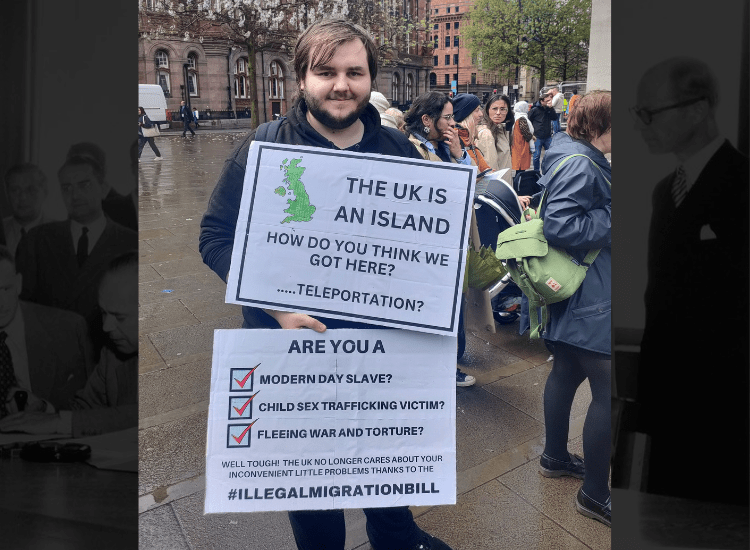
NRI Founder Avaia Protesting the Illegal Migration Bill
The recently passed Illegal Migration Act has ignited passionate debates and concerns regarding its implications on human rights. This legislation, aimed at addressing “unlawful migration”, particularly through unsafe and irregular routes, has raised questions about the potential violations of human rights and refugee protections under international law and treaties. In this blog post, I will delve into the key provisions of the act and assess its impact on human rights principles.
The Purpose and Provisions of the Illegal Migration Act
The primary goal of the Illegal Migration Act is to prevent and deter “unlawful migration” by enforcing the removal of individuals who breach immigration control in the UK. This includes those who enter the country irregularly or pass through a safe third country en route to the UK without proper permission. The Act places a legal duty on the Home Secretary to arrange for the removal of such individuals and their family members.
One of the controversial aspects of the Act is the proposal for a Rwanda migration partnership. However, the Court of Appeal has recently ruled this plan unlawful, raising concerns about Rwanda’s ability to fairly assess asylum requests from migrants. Despite the ruling, the government intends to appeal this decision at the Supreme Court. The Act also sets the stage for potential future migration partnerships, where asylum seekers arriving irregularly may be sent to other countries deemed “safe” by the UK government (a controversial enactment as it would be the government making such decisions about safety, something which has already presented numerous issues in the past with respect to Article 3, with these Memorandums of Understanding being ruled by courts and held by NGOs alike to be ineffective at safeguarding individuals) notwithstanding the issue that ‘legally’ claiming asylum in the UK is almost impossible for anybody needing to do so to actually do.
The Clash with Human Rights Obligations
Critics have expressed deep concerns that the Illegal Migration Act could potentially violate the UK’s human rights obligations. The United Nations High Commissioner for Human Rights and the UN High Commissioner for Refugees have both issued warnings, stating that the act contradicts international human rights and refugee law. The Office of the High Commissioner has stated that:
“The Bill denies access to protection in the UK for anyone falling within its scope – including unaccompanied and separated children – regardless of whether they are at risk of persecution, may have suffered human rights violations or whether they are survivors of human trafficking or modern-day slavery and may have other well-founded claims under international human rights and humanitarian law.”
This raises fears about potential violations of refugees’ rights and the principle of non-refoulement, which prohibits sending individuals to countries where they may face persecution or harm.
Helen O’Nions, an expert in human rights law at Nottingham Trent University, has pointed out that certain provisions in the Act rely on a “shaky interpretation” of the UN Refugee Convention of 1951. These interpretations could result in lengthy judicial debates on the Act’s alleged violation of human rights and refugee protection.
The European Convention on Human Rights Challenge
The Home Secretary, Suella Braverman, faced challenges in declaring the act’s provisions compatible with the European Convention on Human Rights (ECHR). Braverman acknowledged incompatibility with three provisions while still advocating for the bill’s progression. This has sparked discussions about the possibility of the UK withdrawing from the ECHR if the Act faces obstacles in the European Court of Human Rights (ECtHR).
“Ensuring that compatibility is not only a basic moral requirement of the Government, but a practical necessity. The Government have said that this is critical legislation, and they are therefore presenting to the House clauses that they know will probably be ruled unlawful by a court of law.”
While supporters claim that the Act is necessary to address migration challenges, some Conservative backbenchers have suggested withdrawal from the ECHR if it delays the implementation of the Acts provisions. This raises further questions about the UK’s dedication to upholding human rights standards on a global scale.
Balancing Border Control and Human Rights
As the Illegal Migration Act takes effect, its implementation will be closely scrutinised for potential human rights violations. Striking a balance between border control measures and upholding human rights principles remains a complex challenge. Migration issues require comprehensive, humane solutions that prioritise the safety, dignity, and rights of all individuals, regardless of their legal status or mode of arrival.
The UK’s approach to migration and asylum must align with its international commitments to human rights and refugee protection. Navigating this path requires careful consideration and a willingness to engage with human rights experts, refugee organisations, and international bodies. An unlawful Illegal Migration Act will not only diminish the UKs status within the remit of international human rights, but it would also delay any actual and legitimate controls on migration.
Conclusion: A Critical Juncture for Human Rights
The Illegal Migration Act has placed the UK in the spotlight for protecting human rights and addressing immigration issues. As debates and discussions continue, it is essential to remember that human rights are universal and apply to all individuals, regardless of their background or circumstances – An important tenant of human rights, is that it is those who we often most vehemently disagree with, dislike, or would more easily disregard, that require and demand the most protections.
As the UK moves forward, striking a balance between border control measures and human rights protection will be a defining test of its commitment to upholding the principles of justice, compassion, and human dignity. However, as it currently stands, the government does not have a clean record when it comes down to recent human rights abuses and decisions, with significant misinformation being disseminated on the issue of migration and asylum, the public are more supporting than ever of stricter controls, including those deemed inhuman and degrading and ones obviously in breach of international human rights obligations.
“air free from certain pollutants or concentrations of pollutants above certain levels”.
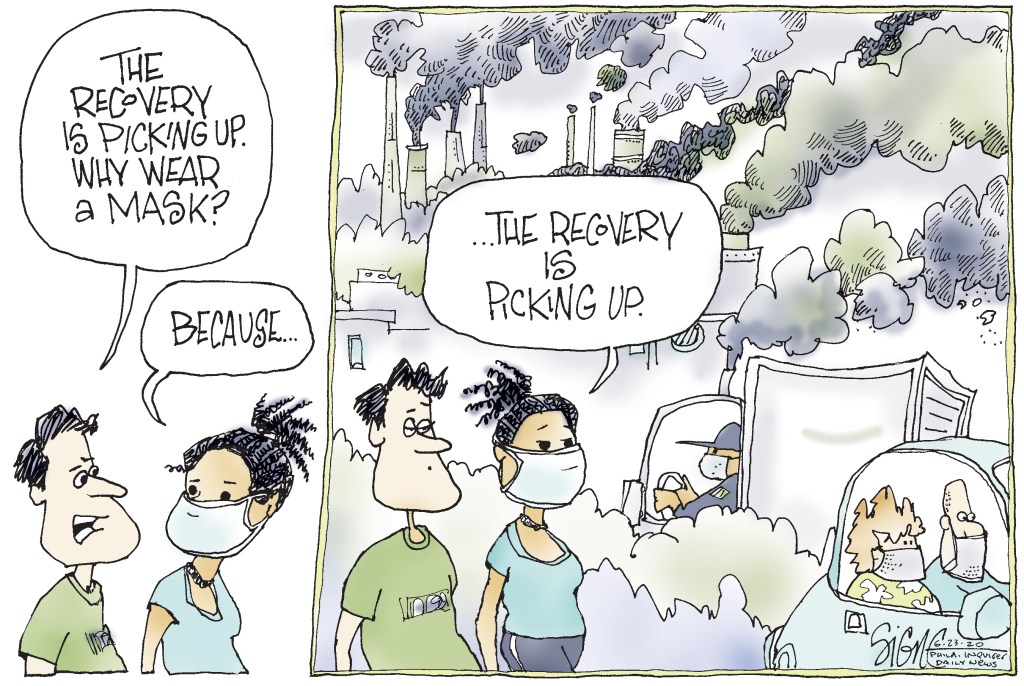
The bill, which was introduced by Baroness Jones and Caroline Lucas of the Green Party and currently under consideration, seeks to address the pressing issue of air pollution within the UK and to contribute to the international impacts. This post explores the key aspects of the proposed bill, its focus on sustainable practices, and the potential impact on industries.
Recognising the Right to Clean Air
The Clean Air (Human Rights) Bill is a significant step towards acknowledging clean air as a fundamental human right, something which has been more recently addressed by countries within the European Union and China. By doing so, it raises awareness about the urgent need to combat air pollution and empowers individuals to demand accountability from various stakeholders, including governments, industries, and communities. The recognition of this right emphasises its importance for public health and sets the stage for collective action to ensure clean air for everyone – With further research showing the devastating impact on health of air pollution, such a right is vastly overdue.
Encouraging Sustainable Practices
One of the key features of the proposed bill is its emphasis on promoting sustainable practices to combat air pollution. The bill advocates for a transition to cleaner energy sources, such as renewable energy, and supports the development of green technologies. It also encourages the adoption of sustainable transportation solutions, such as electric vehicles and improved public transport networks (innovations such as recent developments with Tesla’s Cybertruck appear to be paving the way for such solutions).
Impact on Industries
Energy and Power Generation: The bill’s focus on transitioning to renewable energy sources will significantly impact the energy and power generation industry. More rigorous emission standards and regulations would be imposed on fossil fuel-based power facilities, requiring the adoption of cleaner technologies or the modification of current infrastructure.
Industrial Manufacturing: Industries involved in manufacturing and production processes emitting pollutants would face stricter regulations under the Clean Air (Human Rights) Bill. Sectors like chemical manufacturing, cement production, and metal processing would need to implement cleaner technologies and enhance pollution control measures.
Transportation: The transportation industry, particularly automobile manufacturers and fuel suppliers, will experience significant impacts from the bill. The support for sustainable transportation solutions, such as electric and hybrid vehicles, would call for accelerated clean energy vehicle development and manufacturing. Also, fuel suppliers may need to adapt to the increasing demand for alternative fuels, like electricity or hydrogen.
Monitoring and Compliance
To ensure effective implementation of the Clean Air (Human Rights) Bill, the Citizen’s Commission for Clean Air (CCCA) will be established as an independent body. Under the bill, the CCCA:
“must, by exercising the powers conferred by this Act, monitor and enforce the right to breathe clean air and the duties to achieve and maintain clean air in England and Wales”
By promoting sustainable practices, fostering collaboration, and setting stringent standards, the bill strives to combat air pollution and create a healthier environment for all. As we collectively advocate for cleaner air, the proposed bill offers a promising path towards a brighter, greener future.
The bill is currently awaiting its second reading in the House of Commons, which is scheduled for December 15th, 2023. This is following the bill’s passing in the Lords in December 2022.










 Nightingale Rights Initiative