Voting Rights for Those Detained Under the Mental Health Act

Voting is a fundamental democratic right that should be accessible to all eligible citizens, including those detained by virtue of their mental health. However, individuals in mental health services often face significant barriers to exercising this right. Given that this demographic are often subject to some of the most severe interference with human rights, including enforced medication, restraint and seclusion, and significant periods away from all forms of support, it is only right that their voice be empowered to be heard in elections.

Under the Representation of the People Act 2000 (RPA), an individual is entitled to vote if they are registered in the register of electors of a constituency where they are resident. This includes long-term residents in hospitals, who can register to vote from their hospital address if the length of their stay is sufficient to consider them as residents. The RPA amended the MHA to note:

“A person to whom this section applies shall […] be regarded for the purposes of section 4 above as resident at the mental hospital in question if the length of the period which he is likely to spend at the hospital is sufficient for him to be regarded as being resident there for the purposes of electoral registration.”

However, there are significant exceptions to this general rule, particularly concerning offenders detained in mental hospitals under specific sections of the MHA where these detentions concern a forensic nature (such that they are detained in connection with some criminal element). Individuals detained under sections 37 (criminal court hospital order), 38 (interim criminal court hospital orders), 44 (magistrates court hospital order), 45A (higher courts hospital order), or 47 (transfer of prisoner to hospital) of the Mental Health Act 1983, or under section 5(2)(a) of the Criminal Procedure (Insanity) Act 1964 (which requires the courts to make one of the preceding orders in certain cases), are not entitled to vote. These provisions reflect the law in respect of those serving custodial prison sentences, with section 3 of the Representation of the People Act 1983 providing that:

“A convicted person during the time that he is detained in a penal institution in pursuance of his sentence or unlawfully at large when he would otherwise be so detained is legally incapable of voting at any parliamentary or local government election”

 Though, the rights of prisoners to vote is something which the UK Government continues to be in breach of international law on, with an effective blanket ban still being in place against the ruling of the European Court of Human Rights in Hirst v UK (No 2) (2006).

Patients who are eligible to vote can register using their hospital address if they have been, or are likely to be resident there, for a sufficient period. They may also choose to register at their home address or another residence by making a “declaration of local connection,” specifying an alternative address within the UK. This flexibility is vital for ensuring that patients can participate in elections regardless of their current living situation, especially given the fact that thousands of mental health placements are outside the local area where the person usually resides.

When it comes to the act of voting, voluntary patients and those detained with appropriate leave can attend polling stations. In contrast, other detained patients may only vote by post or by proxy. This ensures that all patients, regardless of their ability to physically visit a polling station, can still exercise their right to vote.

Whilst the black letter of the law states this, the practicalities are not reflective of this position. One of the primary barriers to voting for mental health patients is a lack of knowledge about their voting rights. Both patients and healthcare professionals often mistakenly believe that mental health patients, especially those detained under the MHA, are ineligible to vote. This misconception can lead to missed opportunities for these individuals to participate in elections. In 2019, the overall voter turnout was 65%, but the turnout for those detained within mental health units was a shocking 14%. The report goes on to note that:

“…71% didn’t know how to register to vote, 77% didn’t know they could register using the hospital address, and 48% didn’t know they were allowed to vote at all. 50% of those who were unregistered said they would have voted if they had known how.”

Mental health nurses are uniquely positioned to support patients in exercising their right to vote. Given their frequent contact with patients experiencing severe mental illness, nurses can play a pivotal role in educating patients about their voting rights and assisting them in the registration and voting process. Mental health nurses should ensure they have a thorough understanding of voting rights and the specific provisions of the MHA and RPA. They should actively engage in discussions with patients about their rights to vote, provide accessible information, and assist with the registration process. This includes helping patients apply for postal or proxy votes and ensuring they are aware of the requirements for voter ID. More importantly, however, these nurses, who provide invaluable, often thankless, services, need support from higher levels to ensure that this vital right is supported.

Central and North West London have produced a useful information guide to the voting rights of mental health patients, including the following video discussing voting rights with healthcare staff and services users:

Nurses can also advocate for patients by addressing practical barriers to voting. This might involve assisting patients in obtaining the necessary photographic ID or facilitating the application for a voter authority certificate. Additionally, they can work with hospital administration to ensure that information about voting rights is disseminated effectively through multi-disciplinary team meetings, ward meetings, and educational sessions. The Royal College of Nursing notes that:

“Mental health nurses have the most frequent contact with people experiencing severe mental illness. This means as a profession we have a real opportunity to promote patient voting rights. Mental health nurses need to have good knowledge of voting rights and how people with severe mental illness can exercise these.”

Voting is a vital part of social inclusion and democracy, and individuals detained under the Mental Health Act should not be disenfranchised. By understanding the legislation and actively supporting patients, mental health staff can play a crucial role in ensuring that these individuals can exercise their democratic rights. As the next general election fast approaches, it is imperative that mental health services are prepared to support and encourage patient participation in the electoral process.

By fostering an environment where all individuals, regardless of their mental health status, can engage with democracy, we can take significant steps towards reducing social stigma and promoting inclusion for those with severe mental illnesses.


Avaia Williams – Founder

This blog was published on Sunday 30th June 2024
Conserving Rights or Reforming Risk? The UK’s ECHR Election Dilemma

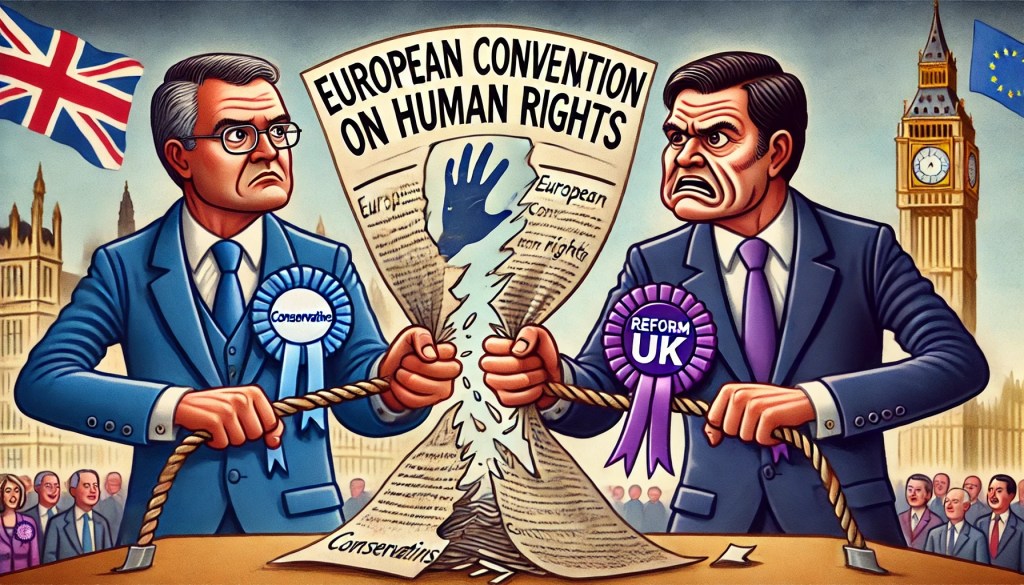
The European Convention on Human Rights (ECHR) has played a pivotal role in shaping the human rights landscape of the United Kingdom. However, both the Conservative Party and Reform UK have proposed to leave the ECHR, sparking intense debate about the future of human rights protections in the country. This article delves into the implications of such a move, highlights key cases and innovations brought by the ECHR to the UK, and argues for the importance of remaining part of this supranational entity.

Conservative and Reform UK Plans

The Conservative Party and Reform UK have expressed strong desires to regain full sovereignty over national laws, which includes withdrawing from the ECHR. Their argument is predicated on the belief that the ECHR infringes upon British sovereignty and that domestic courts should have the final say in human rights matters.

Conservative Party

The Conservative Party’s manifesto argues that the ECHR often hampers the UK’s ability to effectively manage issues such as immigration and counter-terrorism. They propose replacing the Human Rights Act 1998, which incorporates the ECHR into UK law, with a new Bill of Rights. This new legislation would purportedly restore parliamentary sovereignty and ensure that the UK’s Supreme Court is the ultimate arbiter of human rights issues. On the European Court, the Conservative Manifesto notes:

“If we are forced to choose between our security and the jurisdiction of a foreign court, including the ECtHR, we will always choose our security.”

Reform UK

Reform UK takes an even more hardline stance, suggesting that the ECHR undermines British law and governance. They advocate for a complete withdrawal from the ECHR, arguing that it would allow the UK to better control its borders, manage immigration, and enhance national security. Reform UK’s manifesto frames the ECHR as an outdated institution that no longer serves the best interests of the UK, noting it would leave the ECHR within the first 100 days. Reform UK goes further, concerningly stating that they would:

“Protect our servicemen and women on active duty inside and outside the UK from civil law and human rights lawyers.”

Key Cases and Innovations Brought by the ECHR

Since its inception, the ECHR has significantly influenced the development of human rights in the UK. Several landmark cases illustrate the vital role the ECHR has played in safeguarding individual freedoms and promoting justice.

Right to Life and the McCann Case

The McCann v. United Kingdom (1995) case, concerning the killing of IRA suspects in Gibraltar by British forces, underscored the ECHR’s emphasis on the right to life. The European Court of Human Rights (ECtHR) ruled that the use of lethal force by the British government was a violation of Article 2 of the ECHR. This case highlighted the necessity for stringent controls and accountability measures regarding the use of force by the state.

Freedom from Torture: The Chahal Case

Chahal v. United Kingdom (1996) was a seminal case where the ECtHR ruled against the deportation of Mr. Chahal, a Sikh separatist, to India due to the risk of torture. This decision reinforced the absolute prohibition of torture and inhumane treatment under Article 3 of the ECHR, shaping UK policies on deportation and asylum. The Court stated that:

“Article 3 enshrines one of the most fundamental values of democratic society […]  The Court is well aware of the immense difficulties faced by States in modern times in protecting their communities from terrorist violence.  However, even in these circumstances, the Convention prohibits in absolute terms torture or inhuman or degrading treatment or punishment, irrespective of the victim’s conduct.”

Right to a Fair Trial: The Golder Case

In Golder v. United Kingdom (1975), the ECtHR ruled that prisoners have the right to access courts, establishing an important precedent for the right to a fair trial (Article 6). This case emphasised that prisoners retain certain fundamental rights, influencing UK prison policies and judicial access.

Privacy and Family Life: The Marper Case

The case of S and Marper v. United Kingdom (2008) dealt with the indefinite retention of DNA profiles of individuals who had not been convicted of any crime. The ECtHR found this practice violated Article 8 (right to respect for private and family life), prompting significant reforms in how biometric data is managed in the UK. In passing judgment, the Court held:

“…the blanket and indiscriminate nature of the powers of retention of the fingerprints, cellular samples and DNA profiles of persons suspected but not convicted of offences, as applied in the case of the present applicants, fails to strike a fair balance between the competing public and private interests and that the respondent State has overstepped any acceptable margin of appreciation in this regard.”

Importance of Remaining Part of the ECHR

Remaining a part of the ECHR is crucial. The ECHR provides robust protections for fundamental rights that may not always be adequately safeguarded by domestic laws or the common law. Its comprehensive framework ensures that individuals can seek redress for human rights violations even when national mechanisms fail.

The European Court of Human Rights serves as an essential oversight body, holding states accountable for human rights violations. This external scrutiny helps maintain high standards of human rights protection and encourages governments to adhere to international norms, the majority of human rights claims are against the state, as such, having the state itself as the last backstop in questions of human rights represents an alarming system.

The ECHR has driven significant legal and social progress in the UK. Cases adjudicated by the ECtHR have led to reforms that might not have occurred through domestic channels alone. The convention acts as a catalyst for continuous improvement in human rights protections and requires states to constantly do better, rather than sit on the floor of what is acceptable.

The Conservative and Reform UK proposals to leave the ECHR raise serious concerns about the future of human rights in the UK. The ECHR has been instrumental in safeguarding fundamental freedoms and promoting justice. Its role in ensuring accountability, providing oversight, and driving legal and social progress cannot be overstated. As such, remaining a part of this supranational entity is crucial for upholding the high standards of human rights protection that the UK has long championed. The move to withdraw would not only undermine these protections but also signal a troubling shift away from the values that have been central to the UK’s identity on the international stage.

There is a notable paradox in the positions of the Conservative and Reform UK parties, which emphasize national sovereignty. The ECHR, after all, was largely drafted and spearheaded by the UK in the aftermath of World War II. Furthermore, the rights protected by the ECHR, such as free speech, are precisely those that allow political discourse and the promotion of ideas, including those espoused by parties like the Conservatives and Reform UK. Ironically, the same framework they seek to dismantle is what enables their own rhetoric and policy proposals to thrive. This contradiction underscores the broader importance of maintaining robust human rights protections for all, and shows the dangers of making a complex area such as human rights, a black and white, populist election talking point.


Avaia Williams – Founder

This blog was published on Monday 24th June 2024

Supreme Court Upholds Strike Rights Whilst Government Found Deficient

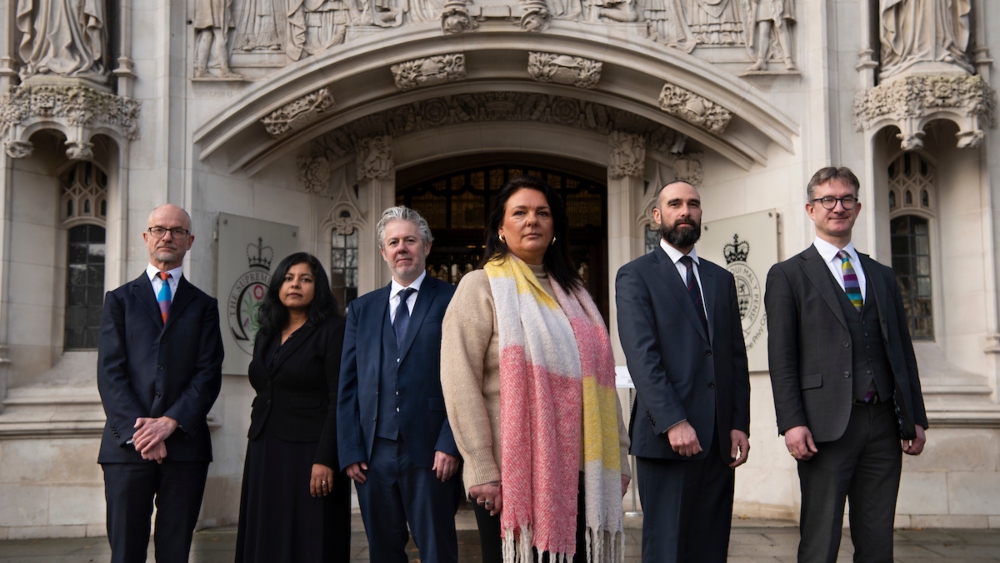
Fiona Mercer and her legal team outside the Supreme Court

The Supreme Court recently handed down Judgment In the case of Secretary of State for Business and Trade v Mercer [2024] UKSC 12.

Background

The case concerned Fiona Mercer, a support worker and Trade Union Rep, who was suspended by her employer, AFG, after participating in lawful strike action. Ms Mercer claimed detrimental treatment under section 146 of the Trade Union and Labour Relations (Consolidation) Act 1992 (“TULRCA”), which states:

“A worker has the right not to be subjected to any detriment as an individual by any act, or any deliberate failure to act, by his employer if the act or failure takes place for the sole of main purpose of […] preventing or deterring him from taking part in the activities of an independent trade union at an appropriate time, or penalising him for doing so.”

She contended that her suspension was aimed at deterring her trade union involvement. The matter before the Supreme Court boiled down to whether TULRCA offered protection against such treatment, particularly actions short of dismissal, and whether this aligned with Article 11 of the European Convention on Human Rights (“ECHR”), the right to freedom of assembly and association.

Judgment

Examining the construction of section 146 and its compliance with Article 11, the Court noted the absence of explicit protection in TULRCA against non-dismissal detriments for engaging in lawful strikes. Protection under TULRCA applies only outside working hours or when not conflicting with job responsibilities. This interpretation, consistent with related provisions, led to the conclusion that section 146 didn’t safeguard workers from non-dismissal detriments during industrial action.

The Supreme Court, sitting with five Justices, unanimously allowed Ms Mercer’s appeal, asserting that section 146 TULRCA did not provide protection against detriment short of dismissal (in this case, suspension) and as such, ruled that TULRCA was incompatible with Article 11 ECHR, holding that:

“…the failure to provide any legislative protection at all against any sanction short of dismissal for lawful industrial action against those who take it, does put the United Kingdom in breach of its positive obligation to secure effective enjoyment of the right to participate in a lawful strike…”

The Court has a duty to interpret legislation in line with the European Convention wherever possible, however, they found no feasible interpretation of section 146 that aligned with Article 11. Thus, a declaration of incompatibility with the Convention rights under section 4 of the Human Rights Act was warranted. Despite the Court of Appeal’s reluctance to issue such a declaration due to a perceived legislative gap, the Supreme Court disagreed, with Lady Simler stating:

“In my view this is not one of those cases where it is inappropriate to make a declaration of incompatibility […] Indeed, I can discern no good reason for rejecting the remedial measure provided for by section 4 of the HRA by making such a declaration.”

The Court made reference to Parliament’s prerogative and ability to address policy choices and make legislative change in striking a fair balance, but emphasised that this wasn’t grounds for refusing a declaration of incompatibility.

Implications

UNISON General Secretary, Christina McAnea stated of the Judgment:

“This is the most important industrial action case for decades. It’s a victory for every employee who might one day want to challenge something bad or unfair their employer has done.”

In essence, the judgment highlighted the disconnect between domestic legislation and international human rights standards concerning workers’ rights to engage in lawful industrial action. It underscored the necessity for legislative amendments to ensure a fair balance between the rights of workers and the interests of employers, in line with the UK’s obligations under the European Convention on Human Rights.

This Judgment comes as a huge blow to the Government whom, for the past few years, have been decimating the rights of workers, in particular unions and those seeking to exercise their rights to strike. Earlier last year we looked at the extremely restrictive and dystopian Minimum Service Levels Bill, a law which restricted the rights of workers more than any other in the past 100 years. Greater Manchester Law Centre (where I just so happen to also discuss employment rights) recently spoke to John Hendy KC about this political climate, Lord Hendy pointed out that the restrictive laws on trade unions:

“…has been made worse since then by the Trade Union Act 2016. The cumulative effect of this legislation has meant that the UK framework severely limits the right to strike”

The Judgment will require the Government to face the deficit in strike legislation or openly admit they will not be complying with International Law.


Avaia Williams – Founder

This blog was published on Monday 4th May 2024

Victory For Conscience – High Court Rules Jurors Can Be Informed Of Power To Nullify

Trudi Warner holding up her sign outside the court in London – Emily Pennink

Last week, the High Court upheld the right of jurors to acquit defendants according to their conscience and that it is not a contempt of court to inform jurors of this right, firming the principle of jury nullification – a power often overlooked, in fact, a power often unknown by many, but deeply embedded in the legal landscape. Jury nullification, also known as a perverse verdict, is when a jury believe that the defendant is guilty of the offence with which they have been charged, but find them not guilty anyway, most usually do to a sense of a moral wrong having been committed by charging the person to begin with.

The case before the High Court centered around Trudi Warner, a former social worker, who faced prosecution for holding a sign outside the trial of climate activists, advising jurors’ of this right. Miss Warner sat outside the Inner London Crown Court, during the trial of members of Insulate Britain, holding a sign bearing the epigram:

“JURORS YOU HAVE AN ABSOLUTE RIGHT TO ACQUIT A DEFENDANT ACCORDING TO YOUR CONSCIENCE”

The Solicitor General sought to prosecute Warner for contempt of court, alleging that her actions interfered with the administration of justice by encouraging jurors to disregard judicial directions and decide according to their conscience, rather than the law. However, Mr Justice Saini dismissed the claim, emphasising that Warner’s placard merely informed jurors of their inherent right to acquit a defendant based on their conscience—a principle which first entered the landscape following Bushel’s Case in 1670, where a judge ordered a jury to find a defendant guilty, the jury refused and were imprisoned; the Court of Common Pleas held that a jury had the right to give their verdict according to their convictions.

Interestingly, a plaque sits inside the Old Baily, where the most serious criminal cases are tried, that bears the details of Bushels Case and notes that jurors have such a right. A matter which the High Court noted:

“Overall, in my judgment, the claim is based on a mischaracterisation of what Ms Warner did that morning and a failure to recognise that what her Placard said outside the Court reflects essentially what is regularly read on the Old Bailey plaque by jurors, and what our highest courts recognise as part of our constitutional landscape.”

In concluding the Judgment, Mr Justice Saini noted that:

“…it has not been shown by the Solicitor General, even on an arguable basis, that the interference with Ms Warner’s Article 10(1) ECHR rights is necessary for, and proportionate to, achievement of those aims. The words on Ms Warner’s Placard reflected in substance what is recognised as a principle of our constitution. However, even if her words had been wrong in law and her conduct inappropriate, the succinct Direction given by the judge was sufficient to deal with any prejudice to the trial. A criminal prosecution is a disproportionate approach to this situation in a democratic society.”

Moving forward, this ruling serves as a crucial precedent, affirming the legitimacy of jury nullification as a safeguard against injustice. It recognises the moral agency of jurors and their role as guardians of fairness in the legal system. Moreover, it highlights the importance of public awareness and education about jurors’ rights and responsibilities. The law is written by Parliament who are the peoples representatives in the House of Commons, it is only right that the people themselves can therefore  decide a law itself is not just, and return a verdict according to their conscience.

The principle has been seen, or at least assumed, to have been employed in several recent cases where climate change protestors have been acquitted, albeit in the face of overwhelming evidence that they had committed the offences with which they had been charged.

In such cases, jury nullification serves as a form of civil disobedience, challenging unjust laws or government actions perceived as morally reprehensible. By acquitting defendants aligned with righteous causes, juries send a powerful message about the limits of state authority and the primacy of individual conscience.

Critics may argue that jury nullification undermines the rule of law and erodes respect for legal institutions. However, it is more arguable that this right upholds the very foundational principles of the Rule of Law. It is a necessary check on state power and a safeguard against tyranny. It allows ordinary citizens to resist unjust laws and uphold higher moral principles, reflecting the democratic ethos of a society.

Moreover, jury nullification reflects the evolving nature of legal norms and societal values. As attitudes towards issues like climate change, social justice, and civil liberties evolve, so too may jurors’ perceptions of what constitutes just verdicts. In this sense, jury nullification serves as a dynamic expression of popular sovereignty and collective conscience.


Avaia Williams – Founder

This blog was published on 28 April 2024

Decorticating The Historic Climate Change Case In Front Of The ECtHR 

Jean-Francois Badias

Verein KlimaSeniorinnen Schweiz and Others v. Switzerland

If involved in environmental law or climate justice, it would have been difficult to spend the last couple of weeks without having your LinkedIn feed flooded with comments on the judgment rendered by the European Court of Human Rights last Tuesday. 

Background to the case  

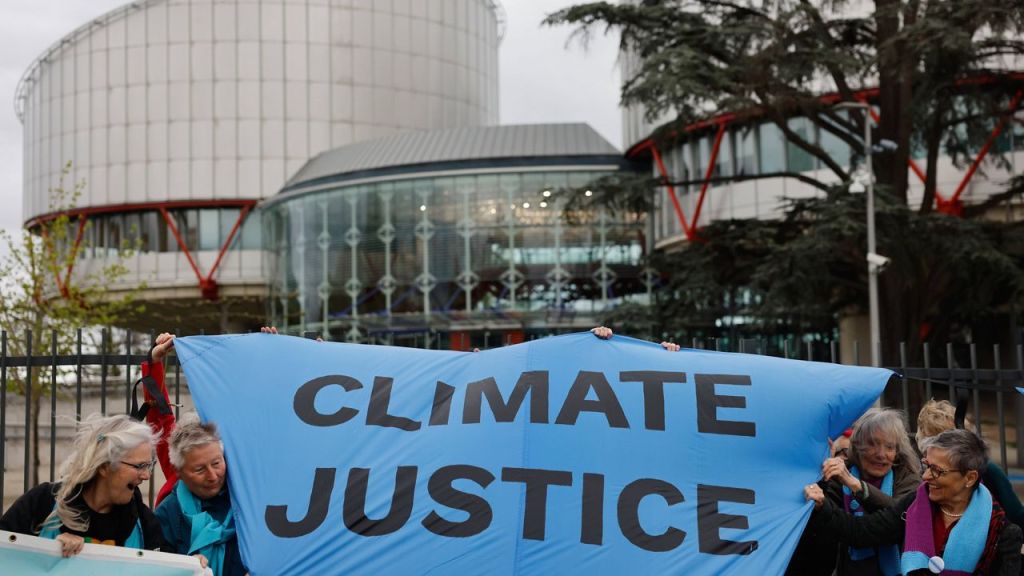
The case was brought by four elderly women and a Swiss association (promoting and implementing effective climate protection on behalf of its members who are all older women) concerned about the consequences of global warming on their living conditions and health. Indeed, they complained of health problems that are exacerbated during heat waves, significantly affecting their lives, well-being, and living conditions. They argued that the Swiss government was failing in its duties under the Convention to mitigate the effects of climate change. 

On the standing of defenders 

It must be noted that only the association (Verein KlimaSeniorinnen Schweiz) was recognised with victim status under Article 34, therefore making their complaint the only one admissible and ruled to have standing. 

On the finding of a violation of access to court (article 6 para 1) 

The court found there had been a violation of Article 6 para 1 of the Convention on access to court and more precisely on the implementation of the mitigation measures under domestic law. Indeed, the Swiss courts did not provide convincing reasons regarding their refusal to examine the merits of the association’s complaint. The national courts failed to take into consideration the compelling evidence concerning climate change and did not take the complaints seriously. Indeed, all appeals made to the court up to the Federal Supreme Court (May 2020) were dismissed.

On the finding of a violation of the right to respect for private and family life (article 8) 

The court found that Article 8 (the right to respect for private and family life) was violated because it encompasses a right to effective protection by the State authorities from the serious adverse effects of climate change on lives, health, well-being, and quality of life. The court reveals that this obligation flows from the causal relationship between climate change and the enjoyment of the rights enshrined in the Convention. Indeed, there is no right to a healthy environment explicitly enshrined in the Convention. Let’s remember that the Convention was written in a whole other context (post-WWII) but it has been dynamically interpreted by the judges. Therefore, because the object and purpose of the Convention is the protection of human rights, the provisions must be interpreted and applied to guarantee their effectiveness.

The court found that the Swiss Confederation had failed to comply with its duties (we refer to “positive obligations” meaning taking active steps to fulfill the rights enshrined in the Convention). The court highlighted the failure of the Swiss authorities to quantify national greenhouse gas (GHG) emissions limitations. Furthermore, the country had also failed to meet its past GHG emission reduction targets.

As usual, the Court recalled the margin of appreciation (“wide discretion”) of national authorities regarding the implementation of legislation and national measures. However, the Court asserted that the authorities in question did not act in a timely and appropriate way in developing and implementing relevant legislation and measures in this case. 

Environmental protection and climate change in front of the ECtHR before 

Using the above mentioned dynamic interpretation of the Convention, the ECtHR has in the past used dispositions of the Convention, mainly articles 2 (right to life), 3 (inhumane and degrading treatments), 6 (access to court) and 8 (private and family life) to indirectly protect environmental rights (for examples see:Öneryildis v. Turkey (2004); Florea v. Germany (2010); López Ostra v. Spain (1994)). The Court usually resorted to the use of the “margin of appreciation” and the “positive obligations” incumbent on states to timidly protect human rights violated by insufficient consideration of environmental harm. However, these cases did not concern climate change but more generally environmental health. Therefore, it has never before explicitly held that States have the duty to mitigate climate change to protect human rights.

What does the ruling mean? 

For Switzerland. According to Article 42 of the ECHR, the judgments of the Court are binding (they must be executed) because they are final and have the force of res judicata (literally means “matter judged”). Therefore, Switzerland will have to take the necessary measures to comply with the judgment. There are always some discussions on the real effects of the ECtHR judgments but this will be too long of a discussion to include here, the Comity of Ministry has said they will keep a wide eye open to make sure Switzerland follows through with the consequences of the decision. 

For the other states parties to the Convention. The judgments of the court have erga omnes (between parties involved in the case) consequences, this means they are not obliged to draw any obligations from the decision. However, they will likely take legislative and national measures to not be condemned by the Court in the future as it could logically be previewed in light of this new precedent. Indeed, it is quite common for national legislation to evolve after a judgment from the court that did not directly concern them to avoid condemnation themselves in the future. Furthermore, Andreas Zünd, Swiss judge at the ECtHR said (Le Temps, 12 April 2024) that the decision must be considered in a pan-European context and therefore concerns the other states parties to the Convention. 

What must also be highlighted is that to conclude a violation of Article 8 the court relies itself on the climate commitments made by Switzerland. Indeed, the Court has no competence to influence those commitments, that mostly rely on soft law (not binding, which means no international responsibility will occur for states if they do not respect said commitments), but has made those commitments enforceable. The domestic enforcement of international climate change commitments is a growing trend that was highlighted by the UNEP Climate litigation report from 2023. The reasoning of the ECtHR resembles what has been done on the national level as can be seen in France with the cases of l’Affaire du siècle (2021) and Commune de Grande-Synthe v. France (2021)

For the world. This is the first time that an international court explicitly links climate change to the enjoyment of life, well-being, and health. We can hope that this historic judgment has positive repercussions all over the world. Indeed, judicial orders are not closed and the dialogue between judges is especially relevant in the global challenge that is climate change. 

Another exciting prospect is the Advisory Opinion sought by the Republic of Vanuatu on the obligations of states regarding climate change in front of the International Court of Justice. Lastly, even though this is great news we must not forget that there are large failings when it comes to climate litigation all over the world, and it seems the biggest challenge to overcome is the formalities. Indeed, two other cases were judged by the ECtHR last Tuesday but both were rejected for formal reasons (for instance lack of exhaustion of internal for the case filed by the Portuguese. Despite, the legitimate apprehensions regarding the effect of this case, it is still incredibly good news and allows us to regain hope. 


Ines Carter – Writer

This blog was published on 20 April 2024

Childhood Obesity, Child Protection, and Children’s Rights – A Comprehensive Insight

Childhood obesity is an escalating public health concern, affecting millions globally with consequences ranging from immediate health issues to long-term physical and psychological complications. As societies grapple with rising childhood obesity rates, questions emerge: Should obesity be considered a child protection concern? If so, to what extent should state authorities intervene? Interweaving this discussion with the principles outlined in the UN Convention on the Rights of the Child and insights from the Safeguarding Network provides a comprehensive lens through which to view this issue.

Childhood obesity isn’t just about physical appearance. It’s a significant health concern with children at risk for conditions like type 2 diabetes, cardiovascular diseases, joint problems, and more. Beyond physical health, the emotional and psychological repercussions, including stigma and social isolation, can be profound. However, obesity’s root causes are multifaceted, encompassing genetics, environment, socioeconomic status, access to healthy food and recreational spaces, and psychological factors.

Bowden and Another v Lancashire County Council [2001] LGR 409 underscored an extreme scenario, where force-feeding children was clearly shown as a child abuse concern. Such cases, while clear-cut in their implications, leave a vast gray area in-between.

The Children Act 1989, s.31, while not explicitly dealing with obesity, delineates conditions under which child protection can intervene, emphasising situations where children are “suffering, or likely to suffer, significant harm.” – The “significant harm” element being particularly relevant.

The Safeguarding Network, while not categorically defining childhood obesity as a safeguarding issue, highlights the profound impacts of obesity on children’s physical and mental well-being. Their insights suggest that while childhood obesity alone might not be a direct child protection concern, consistent failures to change lifestyle, especially in younger children, combined with a refusal to engage with external supports might warrant concern. Stating that:

“Medicine is not at a stage where every child will lose weight following management programmes. If there is engagement from all sides, then criticism is unrealistic. it is important that we look at the situation in the whole and ask, “what else am I seeing here?” Are there other concerns of which obesity is just one part?”

Bringing in the UN Convention on the Rights of the Child provides additional depth. Article 3 emphasises that in all actions concerning children, their best interests should be of primary concern, implying that any interventions or policies surrounding obesity must foremost consider the child’s overall well-being and long-term health.

But, that being said, Articles 5 and 18 resonate with the principles of parental autonomy and the state’s supporting role. They stress the evolving capacities of the child and the shared responsibility of parents in upbringing, emphasising the state’s responsibility to provide necessary support services. But in the context of childhood obesity, the challenge is to balance parental autonomy with a child’s right to health, and where the issue is a step-removed consequence of providing care and support, it is very difficult to draw the line and arrive at a clear balance.

The Safeguarding Network further highlights that systemic factors, including the capacity of parents to understand and respond to the child’s needs and the overall environment the child is in, play a pivotal role in addressing the issue. An essential takeaway is that we should look at the entire circumstance that that child finds themselves in, obesity alone is unlikely to be the sole concern or factor. As many Local Authorities explain:

“Childhood obesity alone is not a child protection concern—A consultation with a family with an obese child should not raise child protection concerns if obesity is the only cause for concern.”

Furthermore, Article 19 of the UN Convention, which mandates protection from violence, abuse, and neglect, reinforces the state’s responsibility when obesity results from evident neglect. This is especially relevant when obesity aligns with other neglect indicators and could be where the line is crossed and should be considered to be crossed, the more wilful and insidious the ignorance of the consequences, the more likely it is abuse.

Labelling obesity, in isolation, as child abuse poses a significant risk of entering into a slippery slope fraught with ambiguity and arbitrariness. If obesity were to be considered abuse, where would we draw the line in determining culpability? Not every case of childhood obesity can be directly attributed to parental neglect, given the intricate web of socio-economic, genetic, and environmental factors at play. Treating it as a binary issue could lead to disproportionate interventions, potentially tearing families apart based on subjective or even discriminatory interpretations of ‘healthy’ weight and ‘appropriate’ parenting. It also risks penalising parents who, despite best efforts, face systemic barriers in providing optimal nutrition and lifestyle opportunities for their children. Further, it might pave the way for scrutinising other parental decisions, raising the haunting question: If obesity is abuse, what’s next on this path of defining ‘adequate’ parenting? Such ambiguity is problematic both ethically and practically, potentially causing more harm than good.

Framing childhood obesity strictly as a child protection issue also risks oversimplifying the complex interplay of factors that contribute to a child’s health and well-being. Moreover, it may inadvertently shift the focus away from broader societal responsibilities to address these underlying issues, placing undue blame on individual families, parents, and possibly the children themselves, rather than looking to the broader policy and societal concerns which often surround obesity. As noted in the Governments 2020 Childhood Obesity Strategy, the actions being taken include:

“Introduce legislation to require large out-of-home food businesses to add calorie labels to the food they sell; Consult on the intention to make companies provide calorie labelling on Alcohol; and legislate to end the promotion of HFSS foods by restricting volume promotions such as “buy one get one free”, and the placement of these”

Factors which not only miss the point, but leave the blame with those at the point of sale, rather than addressing root concerns and education. Additionally, it could lead to an erosion of trust between families and health or social services, making parents reluctant to seek help for fear of judgment or punitive measures. This environment of fear and mistrust could deter the collaborative efforts needed between families, communities, and authorities to effectively tackle the root causes of obesity. By potentially alienating those most in need of support, the framing of obesity as a child protection issue could hinder rather than help efforts to promote healthier lifestyles and well-being among children

Childhood obesity, when viewed through the combined lenses of child protection, the Safeguarding Network’s insights, and the UN Convention on the Rights of the Child, necessitates a rights-based, compassionate, and foremost educational approach. While state support and interventions are critical, punitive measures might not always be the best solution. A holistic perspective that respects family autonomy, recognises broader systemic challenges, and foremost considers the best interests of the child is imperative. The goal should always be to ensure every child’s right to health, life, and full development while respecting the rights and duties of parents.


Avaia Williams – Founder

This blog was published on 17 February 2023

The Intersection of Artificial Intelligence and the English Legal System: A Comprehensive Overview


The integration of Artificial Intelligence (AI) into the English legal system represents a transformative shift, promising to redefine traditional legal practices. This technology’s adoption is not without its challenges, but its potential benefits could significantly enhance the efficiency, accessibility, and fairness of legal proceedings. In this article, we will explore the benefits, negatives, and the future of AI in the English legal system.

One of the most significant benefits of AI in the legal domain is the potential for increased efficiency and accuracy. AI-driven tools can process and analyse vast quantities of legal documents at speeds unattainable by human beings. This capability can significantly reduce the time required for legal research, case preparation, and document review, enabling lawyers and judges to make more informed decisions faster.

AI has the potential to make legal services more accessible to the general public. Online legal assistance platforms powered by AI can provide individuals with legal information and basic guidance at a fraction of the cost of traditional legal advice. This democratisation of legal information could help bridge the gap in legal access, particularly for those who cannot afford the high costs associated with hiring a lawyer.

AI technologies, through predictive analytics, offer the ability to forecast legal outcomes with a certain degree of accuracy. By analysing data from past cases, AI can identify patterns and trends that can inform strategy in similar future cases. This capability not only aids lawyers in building stronger cases but also helps clients set realistic expectations about their legal issues.

The adoption of AI in the legal system raises significant ethical and privacy concerns. The use of AI in decision-making processes, particularly in sentencing or bail applications, could lead to biases and discrimination if the algorithms are not carefully designed and monitored. Additionally, the handling of sensitive legal data by AI systems poses a risk to individual privacy and data protection.

The automation of legal tasks through AI could lead to job displacement within the legal profession. Routine tasks such as document review and legal research, traditionally performed by junior lawyers and paralegals, are increasingly being automated. This shift necessitates a reevaluation of roles within the legal profession and could lead to challenges in employment for newly qualified lawyers.

An over-reliance on AI technologies could potentially erode the critical thinking and judgment skills that are essential in the legal profession. There is a risk that lawyers and judges might become overly dependent on AI tools for decision-making, potentially undermining the human element that is crucial in legal reasoning and ethical considerations.

The future of AI in the English legal system is likely to see a continued evolution and deeper integration of AI technologies. As AI systems become more sophisticated, their application will expand into more complex areas of law, potentially including real-time legal advice, AI-assisted negotiations, and even AI judges for certain types of disputes.

To address the ethical and privacy concerns associated with AI, robust regulatory and ethical frameworks will need to be developed and implemented. These frameworks will need to ensure transparency, accountability, and fairness in the use of AI within the legal system, protecting individuals’ rights while enabling the benefits of AI technologies.

The legal profession will need to adapt to the changing landscape by incorporating AI education and training into legal education and professional development programs. Lawyers, judges, and legal professionals will need to understand AI technologies, their applications, and their implications to effectively use these tools and address the challenges they present.

Building public trust in the use of AI in the legal system will be critical. This will require ongoing engagement with the public, transparency about how AI technologies are used, and clear communication about the measures in place to safeguard against biases, discrimination, and privacy breaches.

The integration of AI into the English legal system offers tremendous potential to enhance the efficiency, accessibility, and fairness of legal processes. However, it also presents significant challenges, including ethical concerns, potential job displacement, and the risk of over-reliance on technology. The future of AI in the legal system will depend on balancing these benefits and challenges, developing robust regulatory frameworks, and ensuring that the use of AI enhances rather than undermines the principles of justice. As we move forward, the legal profession must navigate these waters carefully, ensuring that AI serves as a tool for enhancing the legal system, rather than a substitute for the human judgment and ethical considerations at its core.


ChatGPT 4 – An AI language model trained by OpenAI

This blog was published on XX February

Why it’s Time to Ban Lawful Child Abuse – An Argument Against Reasonable Chastisement

Battery (sometimes known as Common Assault) is any act whereby a person causes another to suffer immediate and unlawful violence, section 39 of the Criminal Justice Act 1988 provides that such an act is punishable by up to 6 months in prison, or up to 12-months where it is against an emergency worker.

There are several defences to such assault, most notable might be self-defence, whereby a person assaults another only to protect themselves, others, property or to prevent crime – a defence which makes perfect sense and would be entirely unreasonable were it not to exist. A defence which causes significant controversy is that of ‘reasonable chastisement’, formally referred to as ‘reasonable punishment’ under s.58 of the Children Act 2004. As early as 1860, in the case of R v Hopley, it was recognised that:

“By the law of England, a parent […] may for the purpose of correcting what is evil in the child inflict moderate and reasonable corporal punishment, always, however, with this condition, that it is moderate and reasonable.”

This defence has developed since then, with s.58 making it applicable only to simple battery, anything more extreme, including assault occasioning actual bodily harm, can never be justified when committed against a child for the purpose of punishment.

What this means, is that a parent has a defence in law to any physical punishment which constitutes a common assault or battery and is ‘reasonable and moderate’ in degree if it is by way of a chastisement. This is often reduced to advice that, so long as you don’t leave a mark, this is legal – an over simplification.

According to the Crown Prosecution Service, the following injuries would still constitute common assault and technically open to the defence of reasonable punishment:

  • Grazes
  • Scratches
  • Abrasions
  • Minor bruising
  • Swelling
  • Reddening
  • Superficial cuts

Now this of course is caveated, a leg covered in minor bruises is likely ABH, as would a severely swollen jaw or reddening caused by several punches etc. But a parent smacking their child as chastisement which leaves a red mark, is still likely able to defend this action as reasonable – as such, the benchmark that “so long as it does not leave a mark” is firstly not true, but secondly it misses the bigger picture, what appears on the surface is a minor part of the problem with physical punishment, the majority lies in the deeper and longer term psychological impacts.

Child Psychologist Haim Ginott famously noted that:

“When a child hits a child, we call it aggression.

When a child hits an adult, we call it hostility.

When an adult hits an adult, we call it assault.

When an adult hits a child, we call it discipline.”

And it remains true today for many children in many countries. Calling it what it is, assaults on children are routinely, righteously, and rigorously defended by tens of millions of parents around the world – with the anecdotal fallacy playing a large role in the precipitation of these misguided opinions ‘I was spanked as a child and I turned out fine’.

But do children who are physically punished turn out fine? In short, no they don’t. Whilst some of course do, many in fact do, many go on to lead fulfilling and successful lives, the impacts are still there. The benchmark for ‘fine’ is not ‘has a successful life’, yet again further fallacies.

A recent study out of Harvard University looked at the impacts of corporal punishment, with key findings including:

“Preschool and school age children — and even adults — [who have been] spanked are more likely to develop anxiety and depression disorders or have more difficulties engaging positively in schools and skills of regulation, which we know are necessary to be successful in educational settings.”

This study is not one in isolation, the vast majority of studies for the past 40 years in this area have consistently shown that physical punishment is ineffective, it increases the risk of broad and enduring negative development outcomes, most child abuse stems form what parents believe to be reasonable punishment, and there has not been a single study finding that physical punishment enhances child development in any way. To simplify it, all the evidence points to is that physical punishment serves only one purpose, to alleviate the stress and frustration of the parents who inflict it.

Elizabeth Gershoff, a professor of human development, notes that:

“What many people won’t admit is that hitting a child can provide an emotional release and a fleeting sense of power for the grown-up. An adult may feel frustrated that they’ve lost control of the child, but when they strike the child, the child stops what they’re doing and usually starts crying. The adult feels vindicated by getting the child’s attention, and their pent-up frustration or anger is released. They believe “it worked,” and the strategy becomes reinforced.”

Gershoff also conducted an analysis in 2016 of over 75 studies, consisting of investigations and conclusions drawn from over 150,000 children, these studies resulted in 14 clear significantly harmful outcomes of physical chastisement of children including:

  1. Poorer moral reasoning
  2. Increased childhood and adulthood aggression
  3. Increased antisocial behaviour
  4. Mental health problems in childhood and adulthood
  5. Impaired parent-child relationship
  6. Lower self-esteem; and
  7. Alcohol or substance abuse problems in adulthood

Not only that, but the psychological and neurological impacts of ‘reasonable chastisement’ are indistinguishable from the impacts of physical abuse. With the brains of children who are hit, spanked and smacked eliciting similar responses to children who are victims of sexual violence.

But despite this clear evidence, the fallacy continues, 75% of children aged 2-4 continue to be disciplined with physical violence, and advocacy groups and legislators specifically campaign against the restriction of physical punishment. In England, the Be Reasonable Campaign notes that:

“Reasonable chastisement helps to train children to know how to behave, to set clear boundaries and to equip them for adult life. It has its basis in the unique relationship between parents and their children. Reasonable chastisement is part of loving parenting […] Reasonable chastisement is not harmful or degrading. It is one form of loving discipline.”

And 32% of the population, some 14 million people, support this belief.

Some 65 States Parties have fully prohibited corporal punishment, with 27 more committed to reforming the law towards such a ban, but that leaves millions of children growing up in countries where they are lawfully subjected to assaults.

Article 19 of the United Nations Convention on the Rights of the Child states:

“States Parties shall take all appropriate legislative, administrative, social and educational measures to protect the child from all forms of physical or mental violence, injury or abuse, neglect or negligent treatment, maltreatment or exploitation, including sexual abuse, while in the care of parent(s), legal guardian(s) or any other person who has the care of the child.”

In defiance of the Convention, England has refused to ban physical punishment of children.

In 2019, Scotland passed the aptly named Children (Equal Protection from Assault) (Scotland) Act 2019, completely outlawing any such physical punishment of children so as to:

“…give children the same protection from assault as adults.”

With Wales shortly implementing a mirrored law the following year, passing the Children (Abolition of Defence of Reasonable Punishment) (Wales) Act 2020.

It is clearly time for England to get in line and put children’s rights not ahead of others, but firstly on the same level. As it stands, the law allows for children, the most vulnerable in our society, to be treated as lesser, as property and chattel. The evidence is overwhelming, and history will not be kind to any government, campaigner, or individual who continues to support the silent and justified abuse happening under the guise of reasonable chastisement.

The Nightingale Rights Initiative calls on this, and any successive government, to immediately introduce a Bill to remove the defence of reasonable punishment and place the rights of children on an equal footing to the rest of society when it comes to physical violence and abuse.


Avaia Williams – Founder

This blog was published on 12 February 2024

Out of Sight, Out of Rights – The UK’s Controversial Prisoner Transfer Plans

A 1800’s prison ship bound for Australia

It was recently announced by The Telegraph that occupancy within the prison estate has reached a catastrophic level, with 99.35% of male prisons being full, whilst the female estate has reached 97%. With some prisons in England and Wales going to drastic measures to be able to house more and more individuals; the Independent Monitoring Board at HMP Wandsworth, the most overcrowded prison in the country, noted that:

“The prison remains seriously overcrowded with most men sharing cells designed for single occupancy […] The certified normal accommodation, or number of prisoners a prison can hold without being crowded, remained at 961 […] There were 1,584 (2020/21:1,385) prisoners at the end of the reporting period…”

And up to 400 police custody cells have been used a long term prison cells recently. In short, the situation is dire and the conditions in the majority of prison estates are now reaching inhuman levels. One measure to address the problem currently mooting its way through Parliament is the Sentencing Bill 2023-24, this Bill, were it to become an Act, would address the overcrowding problem by reducing the number of people who enter the system in the first place. Section 6 of the Bill would make it so that if a person is sentenced to 12 months or less in prison:

“The court must make a suspended sentence order […] unless the court is of the opinion that there are exceptional circumstances which justify not making the order.”

This could include offences such as:

But despite the obvious concerns with an inability to sentence such offenders, this would not in any way impact the current overcrowding concerns, and it would still only address the lower level offences which result in a sentence of 12 months or less. No, the plan to address the current overcrowding is a much braver, extreme, and frankly unbelievable one.

Sections 32 to 26 of the Criminal Justice Bill 2023-24, which is set to finish its passage in the House of Commons shortly before being passed to the House of Lords, makes provision for the transfer of prisoners detained within England and Wales to institutions in foreign countries. Notably, the Bill makes provision:

“about any arrangement made between the United Kingdom and a foreign country which provides for prisoners (or any description of prisoners) to be detained, in the foreign country, for part or all of a period for which they are liable to be detained.”

More specifically, the Secretary of State would be empowered to issue a warrant in relation to any prisoners in England and Wales for their removal to any countries with whom the UK has an agreement. If this rings bells to the recently ruled unlawful Rwanda policy, then you may see the start of the problem. Such transfers and deportations rely on ill formed memorandums of understanding, such memorandums have been shown time and time again to be ineffective at safeguarding individuals whom they allow the mistreatment of.

The unenforceable and private nature of assurances and MoUs represents a significant challenge to human rights. Of such agreements, extradition barrister Ben Keith has stated:

“the reality is that when the likes of Algeria swear they will not torture a deportee it is a promise they either cannot or do not want to keep. Merely reciting ‘see no torture, hear no torture, speak no torture’ does not prevent it happening.”

This issue of broken promises is one which rears across the countries with whom MoU’s have been agreed so far and it is a fact which will undoubtedly rear its face in relation to any future agreements, treaties or memorandums. In the case of Abu Qatada v United Kingdom [2012], the state of Jordan gave express promises to not allow the use of torture evidence in his trial, an issue which the ECtHR believed was likely. However, upon return to Jordan on the basis of a Mutual Legal Assistance Treaty, evidence obtained via the use of torture was relied on, in direct violation of the MLAT. Regardless of the fact Othman was acquitted, the use of such evidence clearly mocks these promises and agreements and shows how, despite assurances and battles at the highest level of the government and judiciary, such assurances are so easily broken without any ramification and are effectively worthless.

This is the position that an uncountable number of prisoners currently within the UK prison estate face. A risk of treatment that could never have been envisaged. Many will argue that if these individuals did not want to risk this they simply would not have committed the offences, but such a reductive black and white argument fails to appreciate the entire nuance of the issue. At the highest way of analysing the argument, the UK should be responsible for its own citizens punishment and rehabilitation. At the more nuanced level, there is an implied consent that, when a person commits an offence within the UK, they reasonably understand they may be tried, found guilty, and sentenced under UK law and within a UK establishment – this Act entirely destroys this element.

Bringing the debate back to the human rights level, any British prisoner who is transferred abroad would undoubtedly face actions, omissions and an environment which leads to conditions which are against the principles of civil liberties. Prisoners Abroad, in its response to the Bill Committee, noted that:

“As the only charity supporting British prisoners held overseas, we see the significant levels of isolation and trauma this causes; from being imprisoned so far away from home and family, not understanding the language, and being excluded from opportunities to work and participate in effective rehabilitation programmes. This inaugural report shines a stark spotlight on the desperate challenges that face British citizens struggling to survive in prisons around the world. We supported 1,170 British people in prisons overseas last year, with significant numbers facing severe isolation; three-quarters of people detained in non-English speaking countries did not speak the language, and six in every ten people did not receive any form of visits. People struggle to afford access to basic essentials like nutritious food and clean drinking water, with nearly a third not receiving any money or financial support from anyone outside the prison, and only 29% having had some form of work opportunity in prison.”

In concluding, the stark reality of overcrowding in UK prisons has undoubtedly reached a critical point, necessitating urgent and humane responses. Yet, the solutions proposed, particularly through the Sentencing Bill 2023-24 and, more alarmingly, the provisions within the Criminal Justice Bill 2023-24 for transferring prisoners to foreign countries, stand not only as deeply flawed but as a direct affront to the principles of human rights and dignity. These proposals, far from addressing the root causes of overcrowding, merely shift the burden of responsibility, exposing prisoners to potentially grave human rights abuses in jurisdictions beyond the reach of UK oversight and accountability.

As advocates for prisoner rights and human dignity, we vehemently oppose these proposals. We call for a re-evaluation of the UK’s approach to criminal justice, one that centres on the rights and rehabilitation of offenders, rather than their expulsion and abandonment. The solution to overcrowding must be found within the realms of justice, humanity, and innovation within our borders, not beyond them. It’s time for the UK to take a stand for the principles it purports to uphold and reject these inhumane and shortsighted policies in favour of a system that respects the dignity and rights of every individual, irrespective of their mistakes.


Avaia Williams – Founder

This blog was published on 11 February 2023

International Humanitarian Law: A Brief Presentation of its Purpose

US Soldier Sgt. Michael J. Smith commits a war crime at Abu Ghraib prison on the outskirts of Baghdad

“All is fair in love and war”

John Lyly is wrong in saying that, wars in fact do have rules. This article aims to clarify international humanitarian law (“IHL”), and what is designated as the law of armed conflicts (“LoAC”). We must first specify that humanitarian aid is not IHL, this is a common point of confusion. The realm of application of IHL is war or more precisely armed conflicts; this can be international (between two countries) or non-international (one of the belligerents is not a state, or in fact it is the state fighting against itself). Different regulations apply to the two types of armed conflicts, but because we want this article to be brief and clear we will not spend time on this distinction.

The prohibition of the use of force is the cornerstone principle of international law as can be found in Article 2 para 4 of the Charter of the United Nations:

“All Members shall refrain in their international relations from the threat or use of force against the territorial integrity or political independence of any state, or in any other manner inconsistent with the Purposes of the United Nations.”

The exceptions to the principles are found in the subsequent Chapter VII of the Charter. However, international humanitarian law represents a sadly realistic voice: war will happen. It is not IHL’s aim to judge the legality of the use of force when it happens but to regulate it when it happens.

In IHL, the premise is that the normal protection of human rights doesn’t stand. Indeed, human rights will be violated in armed conflicts, rights such as the right to life, right to peace, and right to security. IHL provides for the protection of human rights but also the environment and particular monuments (such as historically significant buildings) in those times.

The guiding principles of IHL are the principle of distinction, the principle of military necessity, the principle of unnecessary suffering, the principle of proportionality and the principle of humanity.  Therefore, every jus in bello decision can be examined in the light of those principles which are intertwined and thus indicate any violations of IHL.

The principle of distinction, aka discrimination, is the combatant’s most important principle. Customary International Humanitarian Law Rule 1 states:

“The parties to the conflict must at all times distinguish between civilians and combatants. Attacks may only be directed against combatants. Attacks must not be directed against civilians.”

The status of civilian is to be presumed and does not require the bearing of any distinctive sign contrary to combatants. This distinction between individuals (civilian/combatant) also applies to objects. Indeed, attacks may only be directed against military objectives. A legitimate military objective must, upon capture or neutralisation, provide the belligerent with a definite and direct military advantage.

Attacks must not be directed against civilian objects. The International Criminal Tribunal for Yugoslavia in The Prosecutor v. Stanislav Galić, [2003] provided insight into what would constitute a violation of distinction:

“The offender willfully made the civilian population or individuals civilians not taking part in hostilities the object of those acts of violence. The notion of ‘willfully’ incorporates the concept of recklessness, whilst excluding mere negligence. […] the Prosecution must prove […] that the attack was launched willfully and in the knowledge of circumstances giving rise to the expectation of excessive civilian casualties.”

However, the principle is not absolute. For instance, the destruction of private property can be authorised if ‘rendered necessary by military operations’, there are also other exceptions, but they must obey the proportionality principle.

The principle of military necessity has been described as early on as the Lieber Code (1863) as being battlefield violence counterbalanced by humanitarian considerations. This principle is from customary law and is mentioned in the Geneva Conventions and its Additional Protocols, but is undefined by those instruments. The battlefield commander is responsible for determining what constitutes ‘military necessity’. The actions must be taken in good faith and be reasonable (would a reasonably prudent commander acting in conformance with the law of armed conflicts, knowing what the suspect commander knew, have acted in similar circumstances?).  Some have used the Kriegsraison doctrine to provide that military necessity in war overrides the law, but this doctrine is obsolete and there is no unlimited application of the military necessity doctrine.

The principle of unnecessary suffering is applicable to combatants (Additional Protocol I Article 35.2). The principle intends to limit the suffering of opposing combatants, this will often relate to weaponry. The question of the yardstick of suffering is often debated but an accepted test is ‘whether the suffering caused is out of proportion to the military advantage gained’. Also, the notion of pain is distinguishable from the one of unnecessary suffering. This question is complicated as there is no black letter rule on the matter.

The principle of proportionality aims to balance the human lives of civilians and the destruction of an enemy target. Article 51(5) of Additional Protocol I gives a definition:

“Proportionality violation is an attack which may be expected to cause incidental loss of civilians life, injury to civilians, damage to civilian objects, or a combination thereof, which would be excessive in relation to the concrete and direct military advantage anticipated.”

Proportionality involves the notion of ‘collateral damage’, here we have a relation of the proportionality principle with military necessity and distinction. What will be retained is the intent of the ‘shooter’. Proportionality tends to entail a certain amount of subjectivity, but the decision must be taken in good faith. The standard of measurement is the contribution to the military purpose of the operation as a whole, compared with other consequences of that action, such as the effect upon civilians or civilian objects. The assessment is done ex ante (before the moment) and not post factum (after the fact). In addition, proportionality often leads to confusion between excessiveness and extensivity. Therefore, to act in accordance with the principle, precautions in attack must be taken by those who target an objective.

Lastly, we have the principle of humanity, which some consider the core principle of the LoAC, which regulates the degree of permitted violence, forbidding actions which are unnecessary or excessive for the achievement of victory.

IHL provides for rules concerning the protection of vulnerable individuals, aside from the general category of civilians or combatants, such as the wounded, the sick and the medical mission (rules found in the additional protocols to the First Geneva Convention and in customary law). Moreover, there is a developed legal corpus on the treatment of civilians and prisoners of war (combatants) in situations of detention and internment. The Third Geneva Convention deals solely with the treatment of PoWs, whilst the Fourth Geneva Convention focuses on the treatment and protection of civilians and civilian objects. III & IV).

All states must respect and ensure respect for IHL in all circumstances, the principle of pacta sunt servanda, is defined in Article 26 of the Vienna Convention, noting that:

“Every treaty in force is binding upon the parties to it and must be performed by them in good
faith”

This means states need to take measures within their jurisdiction to implement such treaties. All states must find and prosecute or extradite any person alleged to have committed or ordered the commission of war crimes, as well as take all measures necessary to end ongoing IHL violations. It can never be ‘the state’ in all its abstractedness that will be held responsible for IHL violations but individuals (military commanders and other superiors) that bear responsibility for war crimes under their control if they fail to take all necessary and reasonable measures to prevent or repress such crimes or to refer the matter to the competent authorities.

We often first think of the International Criminal Court when we think of persecuting IHL violations, but this mechanism only operates regarding war crimes, ethnic cleansing, genocide, and crimes against humankind. Additionally, there is the matter of the ratification of the Rome Statute, in defect the individuals bearing the nationality from that state cannot be held responsible in front of the ICC. Therefore, international mechanisms play a subsidiary and complementary role and are only activated if national mechanisms fail.

In practice, there are many factors negatively influencing compliance with IHL such as the self-interest of the actors involved or the expectation of reciprocity (even though compliance with IHL does not obey the principle of reciprocity). On the more positive side, the public opinion can entice compliance as it did in 2003 regarding reports of the systematic torture and abuse of Iraqi prisoners held by the USA, the public scandal damaged the reputation of the US government and as a result, led to the prosecution and conviction of several members of the armed forces.

To be able to present an overview of this often-misunderstood branch of the law, we were not able to develop some important notions such as the articulation between the principles, the definition of the notion of combatant or the distinction between a non-international armed conflict and an international armed conflict. For more information and to go beyond this brief presentation, the resources put at disposition by the International Committee of the Red Cross are a great read and easily accessible as their website contains all the legal sources as well as commentaries. Some resources also exist from the point of view of armed forces and provide a good insight into how IHL is implemented on the ground.


Ines Carter – Writer

This blog was published on 8 February 2024