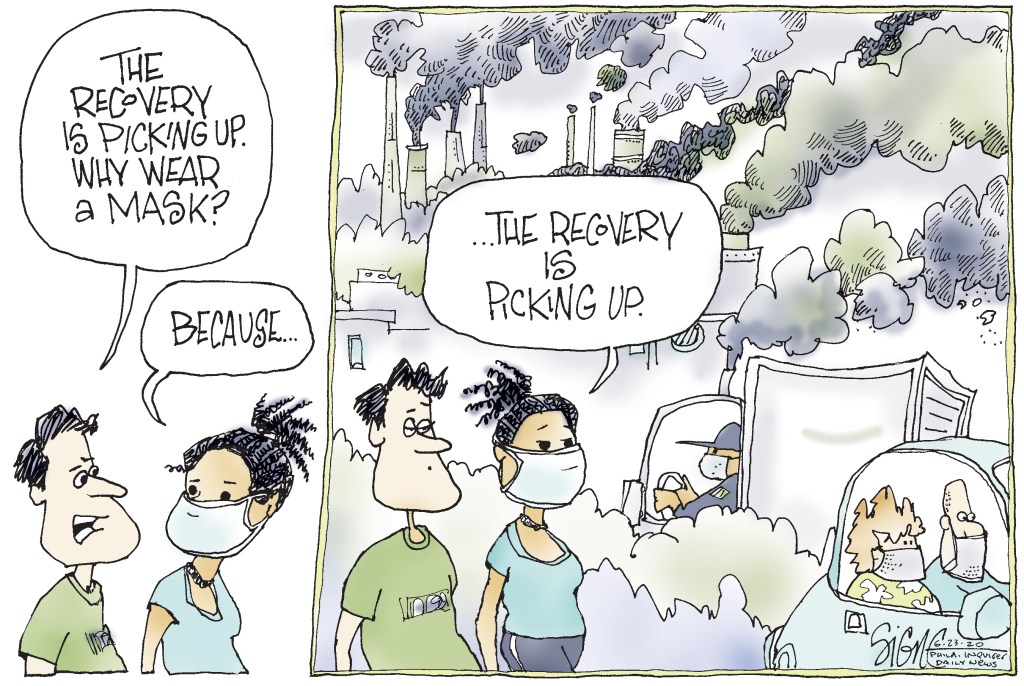
The Clean Air (Human Rights) Bill would create a human right to breathe clean air, being that being:
“air free from certain pollutants or concentrations of pollutants above certain levels”.
The bill, which was introduced by Baroness Jones and Caroline Lucas of the Green Party and currently under consideration, seeks to address the pressing issue of air pollution within the UK and to contribute to the international impacts. This post explores the key aspects of the proposed bill, its focus on sustainable practices, and the potential impact on industries.
Recognising the Right to Clean Air
The Clean Air (Human Rights) Bill is a significant step towards acknowledging clean air as a fundamental human right, something which has been more recently addressed by countries within the European Union and China. By doing so, it raises awareness about the urgent need to combat air pollution and empowers individuals to demand accountability from various stakeholders, including governments, industries, and communities. The recognition of this right emphasises its importance for public health and sets the stage for collective action to ensure clean air for everyone – With further research showing the devastating impact on health of air pollution, such a right is vastly overdue.
Encouraging Sustainable Practices
One of the key features of the proposed bill is its emphasis on promoting sustainable practices to combat air pollution. The bill advocates for a transition to cleaner energy sources, such as renewable energy, and supports the development of green technologies. It also encourages the adoption of sustainable transportation solutions, such as electric vehicles and improved public transport networks (innovations such as recent developments with Tesla’s Cybertruck appear to be paving the way for such solutions).
Impact on Industries
- Energy and Power Generation: The bill’s focus on transitioning to renewable energy sources will significantly impact the energy and power generation industry. More rigorous emission standards and regulations would be imposed on fossil fuel-based power facilities, requiring the adoption of cleaner technologies or the modification of current infrastructure.
- Industrial Manufacturing: Industries involved in manufacturing and production processes emitting pollutants would face stricter regulations under the Clean Air (Human Rights) Bill. Sectors like chemical manufacturing, cement production, and metal processing would need to implement cleaner technologies and enhance pollution control measures.
- Transportation: The transportation industry, particularly automobile manufacturers and fuel suppliers, will experience significant impacts from the bill. The support for sustainable transportation solutions, such as electric and hybrid vehicles, would call for accelerated clean energy vehicle development and manufacturing. Also, fuel suppliers may need to adapt to the increasing demand for alternative fuels, like electricity or hydrogen.
Monitoring and Compliance
To ensure effective implementation of the Clean Air (Human Rights) Bill, the Citizen’s Commission for Clean Air (CCCA) will be established as an independent body. Under the bill, the CCCA:
“must, by exercising the powers conferred by this Act, monitor and enforce the right to breathe clean air and the duties to achieve and maintain clean air in England and Wales”
By promoting sustainable practices, fostering collaboration, and setting stringent standards, the bill strives to combat air pollution and create a healthier environment for all. As we collectively advocate for cleaner air, the proposed bill offers a promising path towards a brighter, greener future.
The bill is currently awaiting its second reading in the House of Commons, which is scheduled for December 15th, 2023. This is following the bill’s passing in the Lords in December 2022.

Josephine Coulibaly – Writer
This blog was published on 21 July 2023
 Nightingale Rights Initiative